Simplified: Now three years in, the Sioux Falls School District's Community Learning Center after-school programming is proving to help kids improve academically, behaviorally and have better school attendance. The big question now is long-term, sustainable funding.
Why it matters
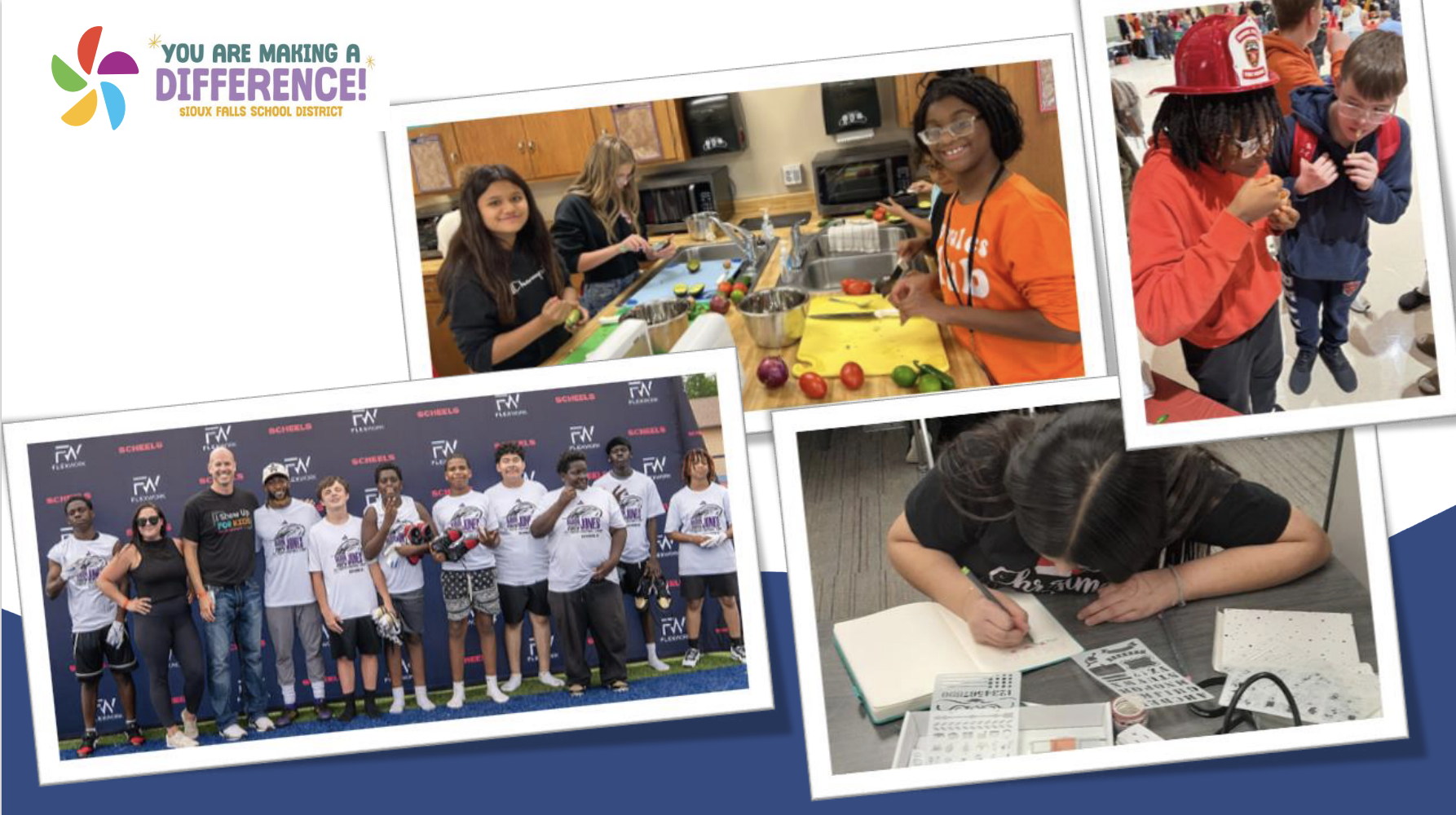
- Sioux Falls first implemented the Community Learning Centers (CLCs) in a pilot program in the 2022-23 school year as a way to give parents an after-school option for kids, connect kids with tutoring and other activities, and create a community hub for parents and students alike.
- The programs have since grown to all elementary schools – including summer care, and this year, the district is piloting a middle school CLC program with the hopes to expand to all middle schools in the coming years. CLCs have also added some before-school options for parents who may have to start their days early.
- Parents pay $190 every two weeks to send their kids to CLC programs, but an increasing number of families (about 4 in 10) are relying on scholarships to offset those costs. And with some federal funding cuts and overall economic uncertainty, the school district is looking at multiple revenue streams to ensure these programs are here to stay.
"We have 3 years of data saying this is making a significant impact on kids," said Rebecca Wimmer, coordinator of community partnerships and after-school programs. "That next step is going back out into the community and saying, 'We have the data now, this is something that is impactful. How are we going to make sure this is something we can sustain long term?'"
Tell me more about the funding structure
It's worth noting right out front that the Community Learning Centers do not receive any money from the school district's general fund (i.e. the pool of money that comes from state funding and local property tax dollars).
Right now, CLCs are funded through the help of community partners, donors and federal 21st Century Learning grants – in addition to the tuition charged to parents.
- One of the challenges is that some of the community partners – including Volunteers of America and the Boys and Girls Club – who also received those federal grants have since seen at least some of that funding dry up, Wimmer said.
- The district continues to get federal funds, but that grant is expected to end in June 2027.
That's meant fewer kids receiving care, Wimmer said. Volunteers of America, for example, previously had funding to send as many as 250 kids to CLC programs. This year, they're funding only covered 90.
Moving forward, she added, there'll need to be discussion about how Sioux Falls as a community wants to see the funding structure move forward. Is this something the city or state should fund? Or private donors? Or all of the above?
"We are just in those early discussion phases of what should that even look like," Wimmer added.
Why is funding CLCs important?
That's also a question the community of Sioux Falls will have to answer.
But, from the district standpoint, these after-school programs are essential.
"This program is an incredible gift to our community," Superintendent Jamie Nold told board members earlier this month.
And board members offered unanimous support of the work CLCs are doing – including member Elizabeth Duffy who said she's a "huge fan."
There's also a good amount of data both locally and nationally that shows investing in kids can save communities public safety costs in the long run. Wimmer noted the ongoing state effort to build a new, $650 million prison.
"The hope is – and what research will tell you – you don't have as many kids who end up as adults needing that prison because they've had the support they need to be successful," she said.
How can I help?
Wimmer wants the community to be a part of the decision-making about CLCs in the future.
The first way to help is to simply understand what CLCs are, why they matter and how they support better outcomes for kids, she added.
Other ways to support CLCs include:
- Advocacy at the city, state and federal level,
- Volunteers/community partners to bring more programming options for kids,
- Financial support through the Sioux Falls Area Community Foundation.