This is a paid piece from Dakota State University.
Simplified: Two-thirds of Dakota State University alumni end up in the greater Sioux Falls Area, so it only makes sense that the university and city work together. Here's a closer look at how DSU's presence and partnerships within the city are evolving.
Why it matters
- Dakota State University originally opened as a teacher's college in the early 1880s – a few years before South Dakota became a state – but since the 1980s, the university's mission has included an emphasis on emerging technologies. Today, the school is a hub for cybersecurity as one of 10 universities to have earned all three key designations by the National Security Agency's National Centers of Academic Excellence.
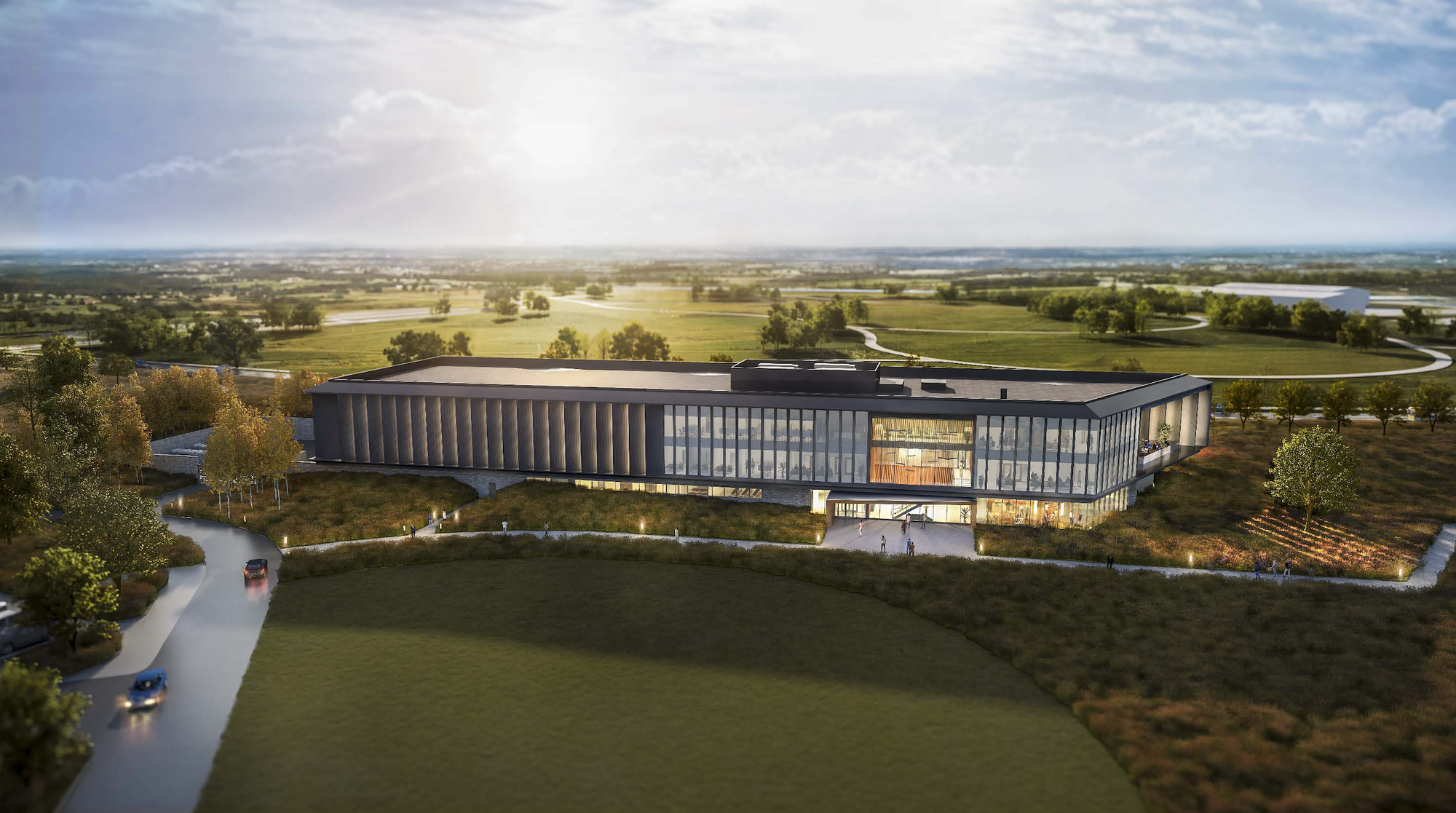
- One of the most physical representations of DSU's partnerships in Sioux Falls is a new Applied Research Lab, an estimated $62.5 million project currently under construction in northwest Sioux Falls. The long-term goal, DSU President José-Marie Griffiths said, is to have that building serve as the core to a broader cyber research park.
- That new facility will help diversify Sioux Falls' workforce, Griffiths noted, bringing in high-paying jobs in cybersecurity and national security – industries that are only going to become more important as technology plays an ever-growing role in people's lives and jobs.
"We are already an importer of talent into the state and about 10% of the young people who come to DSU for a degree from out-of-state are already staying in the state – and that's before we put a single person in that building in Sioux Falls," Griffiths said.
Tell me more
DSU's partnerships in Sioux Falls extend beyond the cybersecurity realm. The university is working in various ways with Levitt at the Falls, the Washington Pavilion, the Chamber of Commerce, Forward Sioux Falls, the Sioux Falls School District and more.
Griffiths said part of what makes DSU successful in Sioux Falls is its existing success in building relationships and partnerships within the town of Madison, where the university's main campus is housed.
"It's not Sioux Falls or Madison," Griffiths said. "It's actually both."
And the goal across the board is a win-win relationship.
Dakota State University wins because Sioux Falls is an attractive community for new workers, businesses, researchers, etc.
"It has a lot going on, and it's growing," Griffiths said. "We always talk about young techies wanting to be near the coffee shops and the brew pubs and the good parks and the ability to ride their bike."
- Sioux Falls also is near a major airport, which helps when cybersecurity workers need to get to meetings in Washington D.C. or conferences in other parts of the country.
Sioux Falls wins because Dakota State University is bringing jobs in a fast-growing industry to town and diversifying the city's workforce.
- Griffiths likened the current situation to what happened 40 years ago when CitiBank decided to locate its headquarters in Sioux Falls. That spurred major growth in the financial sector. DSU's Applied Research Lab could have a similar affect in the cybersecurity sector.
"Cybersecurity isn't going away. It's growing," she said. "New technology, the internet of things, cloud computing, all of these things are contributing to more and more potential vulnerabilities that need to be protected."
What happens next?
The Applied Research Lab is expected to open later this year.
- To coincide with the new facility, DSU also created a separate nonprofit to manage the space called Dakota State University Applied Research Corporation (DARC).
Looking ahead, DSU also aims to create two other similar buildings, including a digital forensics lab, a facility which could be useful to law enforcement in solving cyber crimes.
You can also learn more here about DSU's commitment to being the best in cyber.