Simplified: The Sioux Falls City Council is looking for ways to encourage civic engagement among residents, particularly at the stages of decision-making when their opinions can have the most impact. That conversation is starting with an in-depth look at the 32 city boards and committees who advise the city on various topics.
Why it matters
- Councilors on Tuesday afternoon heard a presentation from staffers about the various city boards and committees – including details on where each board posts meeting dates and agendas, as well as how they handle public input. One of the key takeaways was how varied the processes were for each board.
- Councilors discussed possible ways to make the meetings more consistent. That might look like ensuring all agendas are posted in the same spot on the city website, or perhaps ensuring meetings take place largely in the same one or few locations.
- The ultimate goal is to make it easier for the general public to know what's going on in each of these various boards, especially because many of the items City Council votes on flow through those groups, as Councilor Rich Merkouris put it.
"How do we raise civic engagement and how do we get more public dialogue in making decisions?" Merkouris said. "The first place we're looking at is committees and boards."
Tell me more
If there's an area of Sioux Falls impacted by city government, chances are there's a board or committee related to that topic.
Here's just a handful:
- Parks and Recreation Board,
- Accessible Housing Advisory Board,
- Public Transit Advisory Board,
- Board of Historic Preservation,
- Public Parking Advisory Board,
- Regional Emergency Medical Services,
- Solid Waste Planning,
- And many more.
The people who sit on these boards are appointed by the mayor with the advise and consent of the City Council, and most of the time they're selected from a pool of applications.
Many boards also give residents a chance to weigh in on what they're discussing.
One of the frustrations councilors expressed Tuesday was the inconsistency on whether public input is held at the beginning or end of the meeting. Councilor Jennifer Sigette said she's attended several board meetings, and sometimes it's unclear if she's allowed to speak or not.
- Sigette also questioned why only some of these meetings are recorded and shared on the city website instead of all of them.
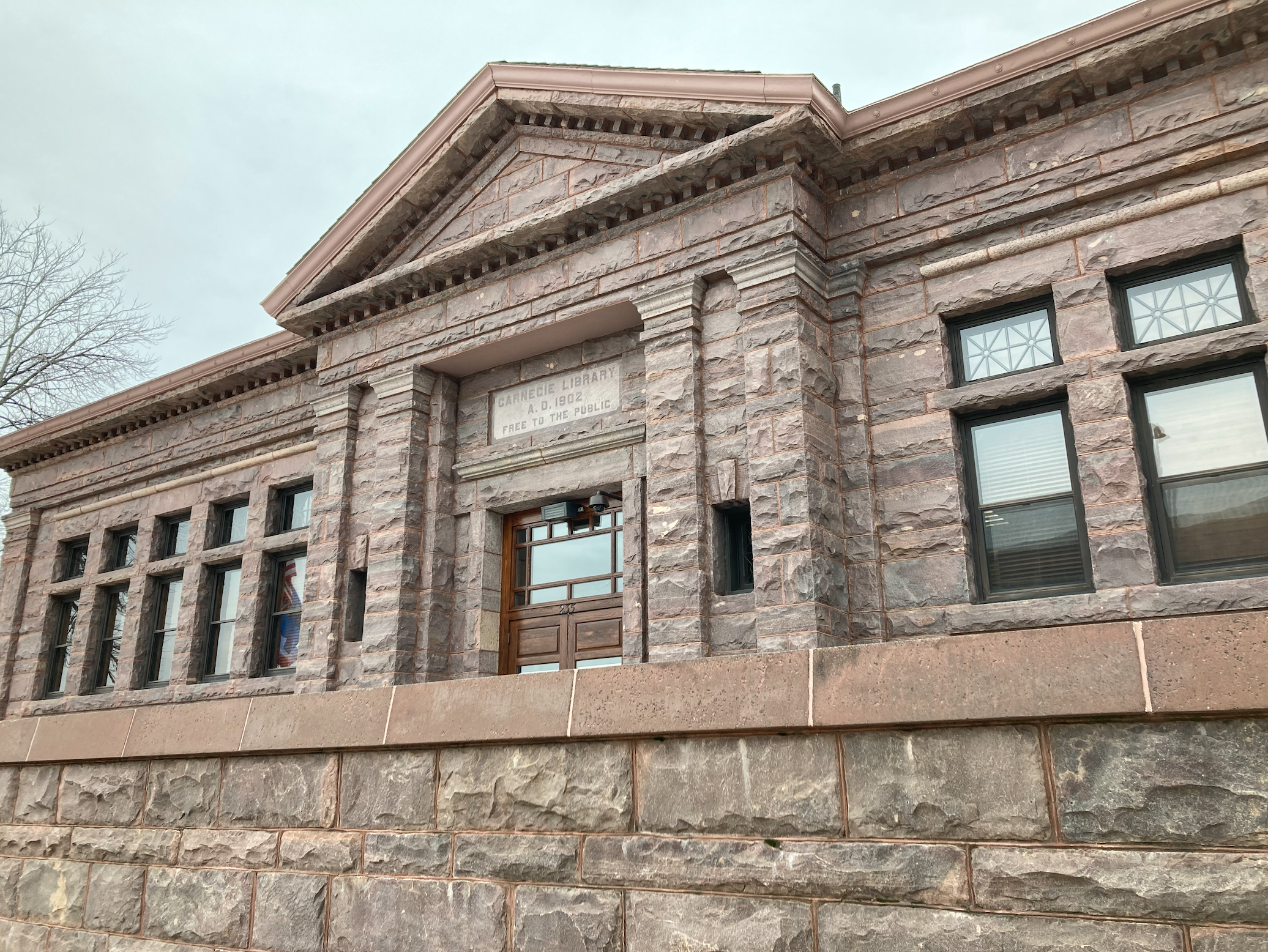
Councilor Richard Thomason asked why all the meetings can't be held at Carnegie Town Hall to create consistency for people who want to have their voices heard on various topics.
City Attorney Dave Pfeifle cautioned the council against making ordinances related to how boards and committees operate, noting concern about the potential for criminal penalties for groups who mean well.
"In my experience, I've found that people are well-intentioned, they're not trying to hide the ball," Pfeifle said.
How can I learn more about city boards and committees?
You can see a full run-down of how each board operates in terms of public input, where agendas are posted, etc. in this document shared with councilors on Tuesday.
Sioux Falls Simplified also has an easy resource for folks to find out which city boards and committees would be good to pay attention to based on their own skills and interests. You can learn more about that (and take our fun little quiz) here:
 Megan Raposa
If you want to apply to serve on a city board or committee, you can learn more here. There's an online application as well as printable forms to fill out.
What happens next?
Merkouris said he'd like to see further discussion on simplifying where agendas are posted, where meetings are held and when the public is given an opportunity to speak during meetings.