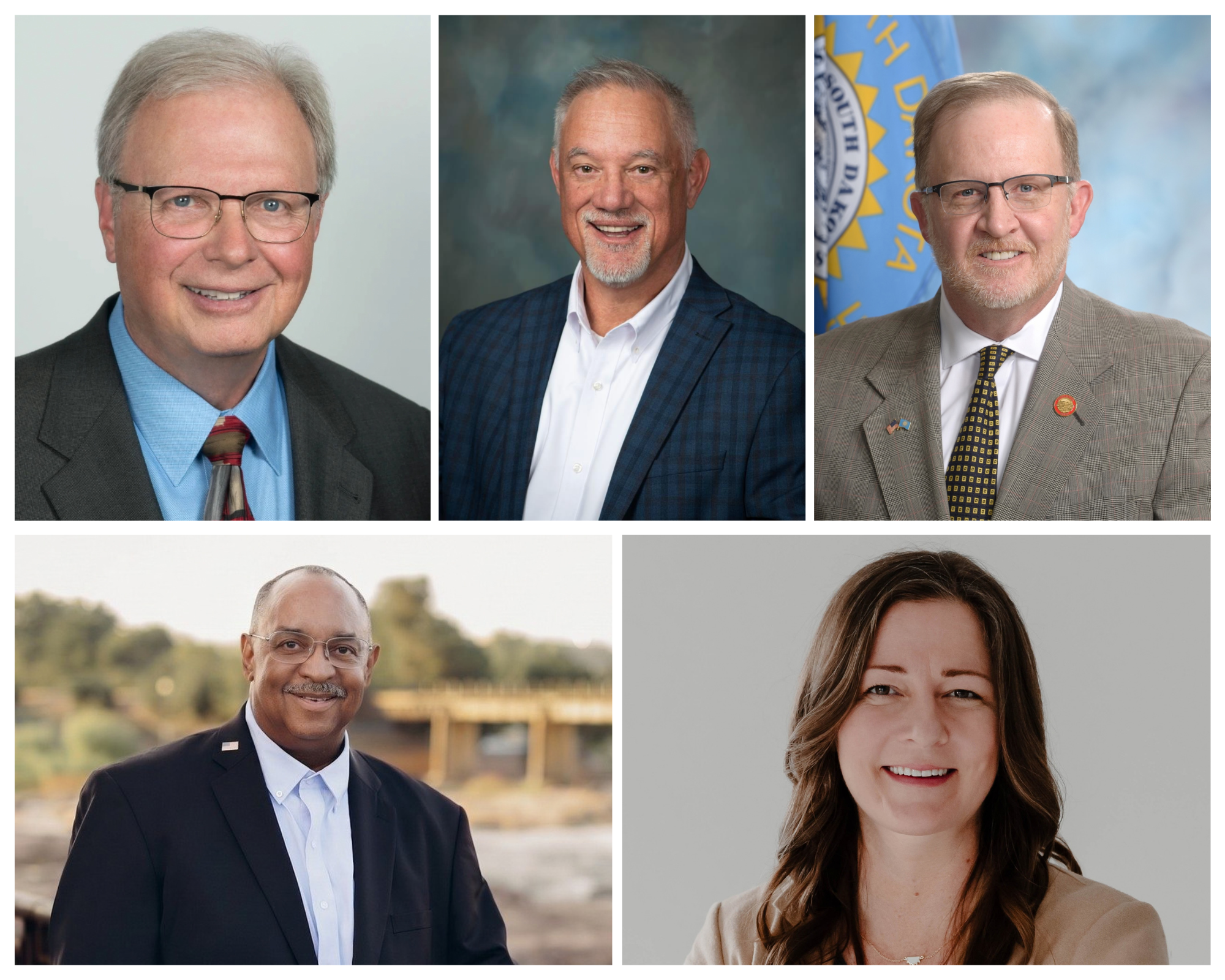
Simplified: Five candidates are in the running to fill three open at-large seats on the Minnehaha County Commission, the board that oversees South Dakota’s most populous county. All five candidates sat down with Sioux Falls Simplified to discuss a wide range of topics, including AI data centers, property taxes, homelessness and more.
Why it matters
- Five candidates are in the race for Minnehaha County Commission, but only one candidate in the running, Jen Bleyenberg, is an incumbent. That means it’s a guarantee there will be at least two new faces on the board in the coming weeks.
- These are at-large seats, meaning no matter where you live in the county, these commissioners represent your interests. And they have the ability to make decisions that would make a big impact on residents.
- Minnehaha is South Dakota’s most populous county, and includes much of Sioux Falls. Policy decisions made by this county commission have a broad impact on many residents.
Let’s meet the candidates
(Candidates are listed in alphabetical order and alternated in the Q&A below)
- Kenny Anderson Jr.
- Jen Bleyenberg
- Rick Bonander
- Brent R Hoffman
- Curt Soehl
Kenny Anderson Jr.
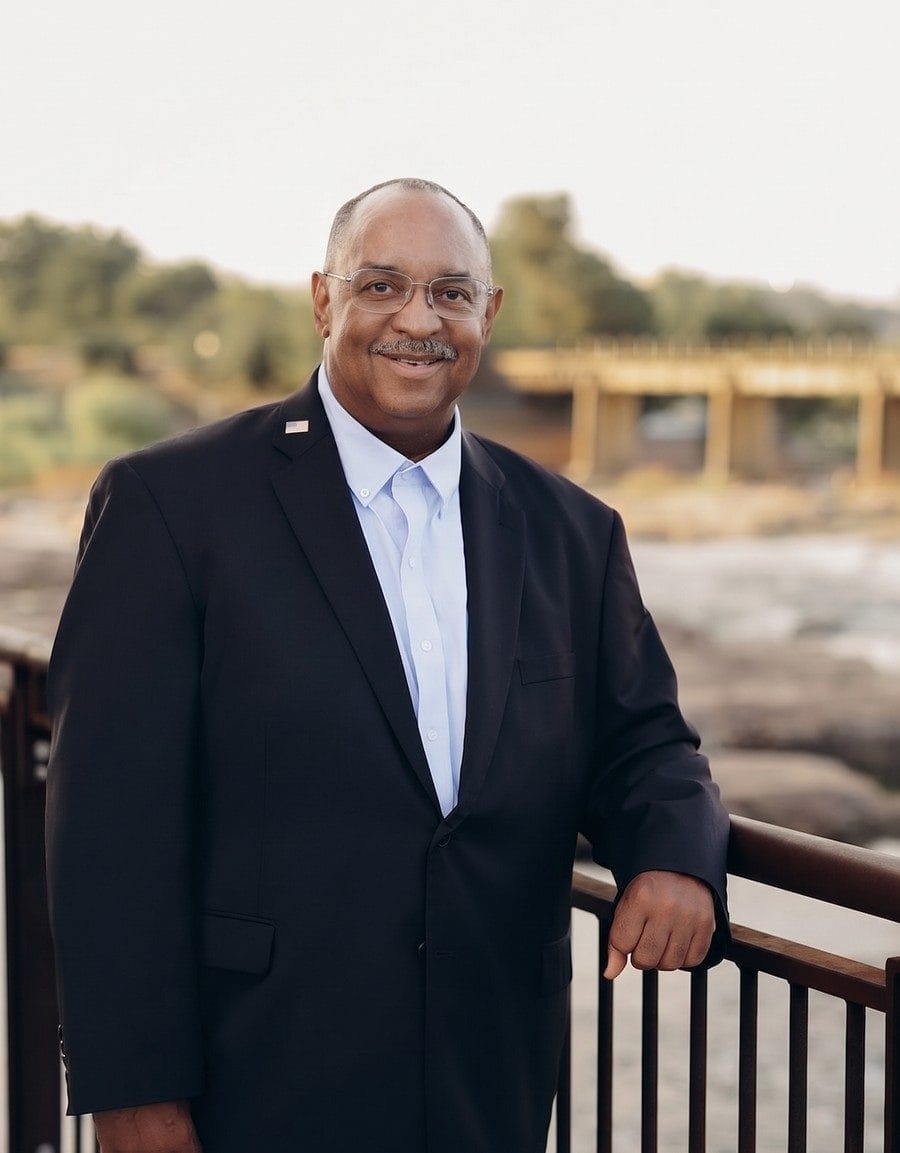
Kenny Anderson Jr. is a Democrat seeking election to the commission. He is a former Sioux Falls City Councilor who hopes to “continue working for and representing” residents. He said certain actions at the state level have concerned him, and he believes there’s a need for local elected officials to work together and “create educated fiscal decisions to keep the lifestyle the people of Minnehaha County deserve.”
“I am a lifelong resident of Sioux Falls, Minnehaha County and have watched the communities in the county grow as our largest city has grown,” he said. “With that growth the needs of the citizens have increased also.”
Anderson is 67-years-old and lives in Sioux Falls.
Jen Bleyenberg
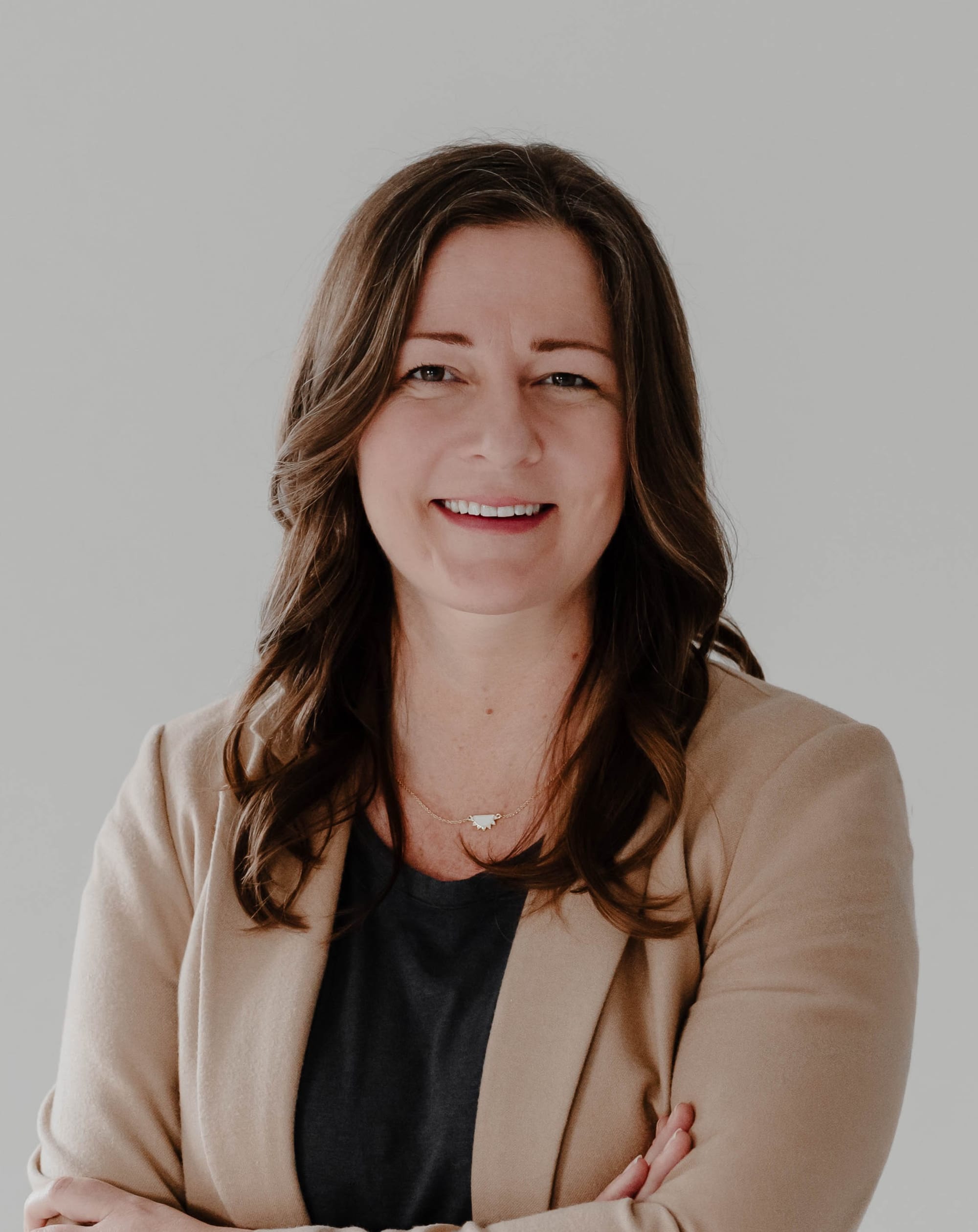
Jen Bleyenberg, who works in financial aid for a local higher education institution, is a Republican candidate running for another four-year term as Minnehaha County Commissioner. She said she’s seeking re-election because “there is so much work to do” and she has the experience to make headway on key county initiatives.
“The county deserves four more years because you don’t want to quit right when you get started,” Bleyenberg said. “We’re in the middle of a lot of projects that I’m involved in, and I do think it’s important to have somebody like me in those conversations.”
Bleyenberg is 46-years-old and lives in Wall Lake township.
Rick Bonander
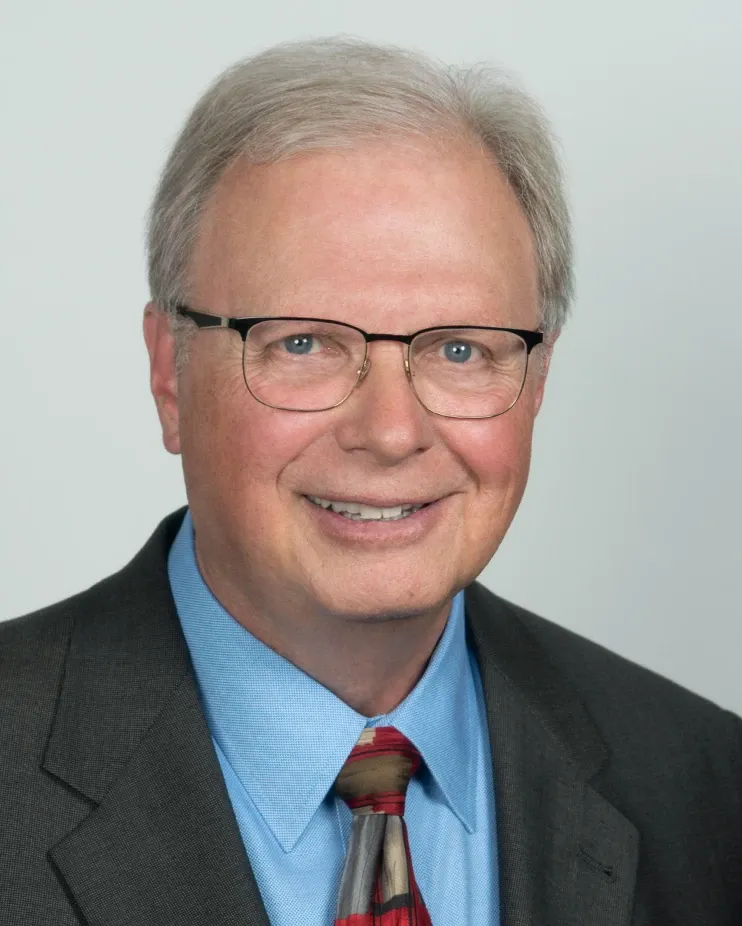
Rick Bonander, who is currently serving on the Minnehaha Conservation District Board of Supervisors and as a director for the East Dakota Water Development District Board, is a Republican candidate for the Minnehaha County Commission.
“I’m a fifth generation resident of Minnehaha County, and I love this county,” he said. “I love the people. I think we got a lot of good things going on here. I want to make sure that we keep this county going forward for the next generation or two and just keep building stronger.”
Bonander, age 67, lives in rural Minnehaha County.
Brent R. Hoffman
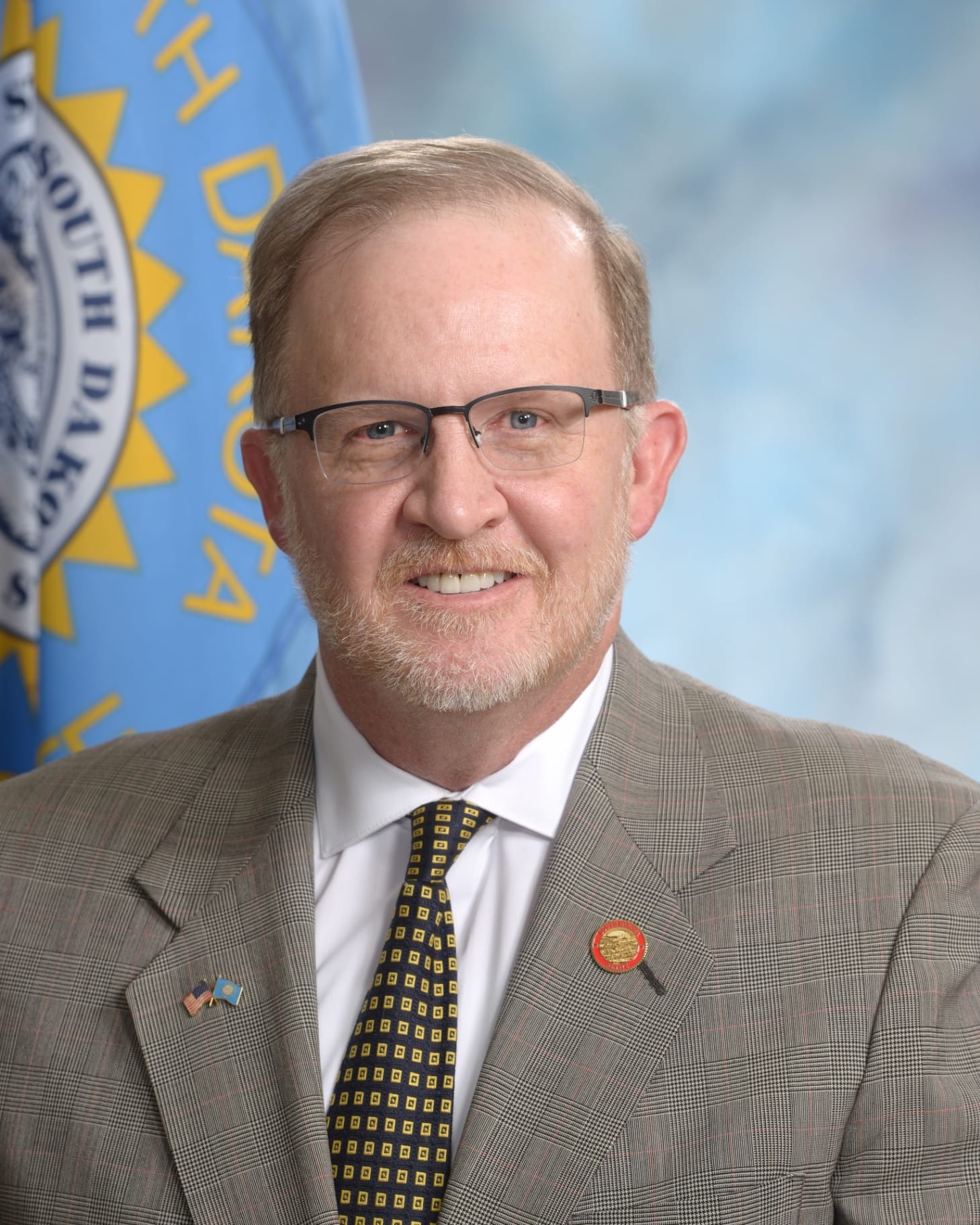
Brent “B.R.” Hoffman is running as a Republican for the commission. The 63-year-old author is a former state senator for District 9, which includes part of Sioux Falls and Hartford. He had also previously served on the West Central School Board.
“I enjoy making a difference in my community, and I have a long record of doing that,” Hoffman said.
Hoffman lives in rural Minnehaha County.
Curt Soehl
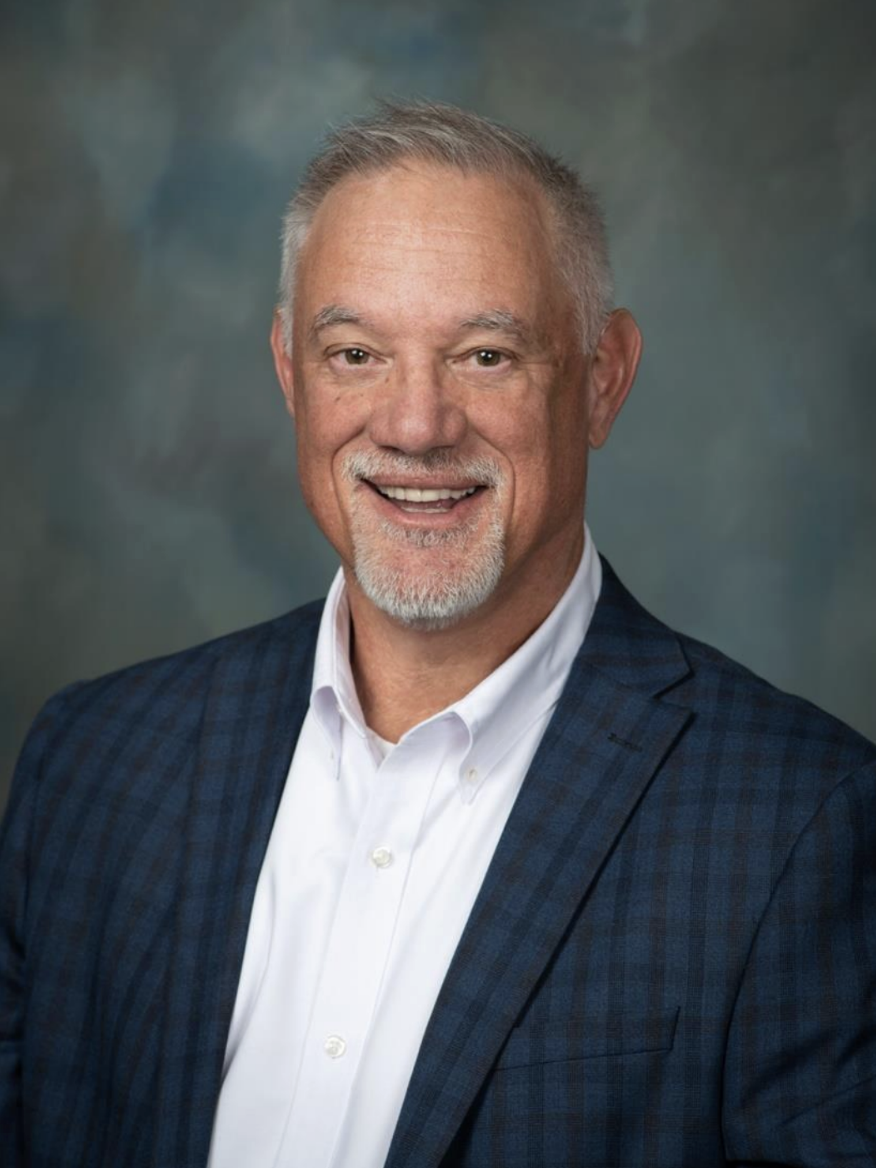
Curt Soehl, a retired firefighter for the City of Sioux Falls, is running as an independent in the race. He recently finished out his eight-year term as Sioux Falls City Councilor and is currently involved in a number of local boards, including Habitat for Humanity of Greater Sioux Falls and Sioux Falls Sports Authority.
Soehl decided to run for the Minnehaha County Commission to stay involved in local issues.
“I can directly talk about the successes that I've had in the city, and my knowledge of local government is certainly equal or better than most people,” he said. “So I'm going to bring that to the county. I want to make sure that it's a functional governmental board.”
Soehl, age 67, lives in Sioux Falls.
Let’s talk policy
Here’s where the candidates stand on the issues:
What would be your top issue, should you be elected?
As the county continues to grow, Kenny Anderson Jr. said the need for expanded emergency services in rural communities will become more pronounced. He believes it’s necessary to strengthen the association between the City of Sioux Falls fire and ambulance services and smaller, volunteer-run community emergency services to provide better support across the county.
“I feel that there could be other ways that we could provide emergency services for the residents of Minnehaha County, and I don’t think we’re going to need to throw new resources at it, “Anderson said.
An umbrella over every aspect of commission work to Jen Bleyenberg is a focus on sending county dollars wisely, “because ultimately, it’s the taxpayer dollars that are funding our budget,” she said.
“Being frugal doesn’t necessarily mean buying the cheapest thing,” she said. “It means finding the balance of the best use of the dollar. So there have been times where I have had to spend more money than I wanted to as a commissioner, but you have to look at the big picture.”
Rick Bonander pointed to the county’s budget as his top issue, stating he believes it’s important elected commissioners ensure they are being fiscally responsible. In his mind, he said a major part of that consideration includes public safety and infrastructure.
“Are we using our money most wisely, or do we just keep taxes spent?” he said.
Brent R. Hoffman stated taxes and county spending are his top priorities, if he was elected into office. In particular, he said wants to see more accountability and transparency in the budgeting process, and that he’d like citizens to be more involved in the review of the county budget.
“Obviously, spending causes taxes and I’d like to review every county dollar as if it comes from my own pocket, that of my neighbors and my fellow citizens, because in the end, it does,” Hoffman said.
Curt Soehl believes Minnehaha County needs a stronger voice with the South Dakota Legislature. He said state lawmakers mandate certain policies for the counties to maintain, but oftentimes the county leaderships’ hands are tied in how they facilitate those mandates.
“I think we need a louder voice in Pierre to try and make sure that the counties are appreciated, that the legislature just doesn’t say ‘do this and figure out how to pay for it.’ I think that should be a responsibility that is shared,” he said.
AI data centers have been a major discussion for the county commission, and is a top issue in the minds of county residents. What is your stance on building new data centers within the county? How would you approach a proposal to build one within the county?
Kenny Anderson Jr. is strongly opposed to hyperscale data centers, saying he believes the location that’s been discussed in previous council meetings is not appropriate. He said a facility of that scale in the county would take up extreme amounts of water and power, and could be harmful to area residents.
If elected, he said he would advocate for changing existing zoning and code laws to create protections against hyperscale AI data centers.
“I do favor a moratorium, so that we can look into it,” Anderson said.
Jen Bleyenberg said she would lean on the expertise of the county’s planning and zoning commission, which is in the process of discussing a task force to gather public input on data centers in Minnehaha County. She said her goal for the commission, if re-elected, would be to get a straightforward ordinance in place well before anyone approaches the commission about building an AI data center.
“We don't want to change the rules on anybody,” she said. “We don’t want to make concessions for anybody. We want to determine what’s best for Minnehaha County and go from there.”
Rick Bonander is opposed to building hyperscale AI data centers within the county, saying they don’t bring enough new jobs and are a major drain on local resources. He said he would support a moratorium on new centers until the county can craft strict guidelines that would help protect residents and county resources.
“(The guidelines) have to be specific because if you give them an inch, they’re going to take a mile,” he said. “I want very very strict rules on how they can be set up.”
Brent R. Hoffman said he is opposed to hyperscale data centers, and would support an ordinance that prohibits AI factories of that scale. He said he’s not opposed to smaller data centers, as long as there are ordinances with strenuous restrictions like the ones currently being considered by the Minnehaha County Commission.
“I’ve always supported development and economic growth,” Hoffman said. “My focus is always going to be, in the end, on the rights of the general public and their quality of life with respect to data centers.
Curt Soehl was among the Sioux Falls city councilors who approved a zoning change early this year that could open the door to the city’s first hyperscale center. Soehl noted water usage and electricity rates would be his primary considerations in understanding how these facilities would affect residents.
“I think whether it’s a data center or whether it's a hog confinement, all of these new developments have to prove that they’re going to be a good neighbor to the citizens of Minnehaha County,” he said. “Whether it be in Sioux Falls or whether it be in Hartford, they have to be a good neighbor.”
Are property taxes a problem in Minnehaha County? The state legislature opened the door for counties to raise sales taxes as a way to lower property taxes — is this something you would or would not support for Minnehaha County?
Kenny Anderson Jr. does not favor the option created by state lawmakers to raise the sales tax in order to lower property taxes. He said he believes the policy adds another tax burden on non-homeowners, and that property taxes will still increase over the years.
“If we have enough people actually saying we have a property tax issue, then that’s something we need to sit down, take a look at and see if there are ways that we can help,” Anderson said.
Jen Bleyenberg said she doesn’t believe the Minnehaha County portion of residents’ property taxes is a problem, because it funds important services in the county.
Bleyenberg also said she believes the half-cent sales tax increase is “a great option,” but she’s hesitant to advocate for that law to take effect in Minnehaha County because of the number of residents who rent their housing. She also said she would want a public vote on that type of policy.
“I think it should be a broader decision,” she said.
Rick Bonander supports the half cent sales tax increase as a way to reduce property taxes, but acknowledges it is simply a shift in residents’ tax burden.
He said he’s hopeful the new law is the first step in improving the state’s tax system. Bonander said he would like to see the state legislature allow counties to gain more revenue by increasing fines for certain crimes, or by implementing an excise tax on alcohol or marijuana.
“There’s opportunities here, I think, to do a better job with the taxes we’ve got in place,” he said.
Brent R. Hoffman said he believes property taxes do need to be lowered for county residents, and said he would support reforms that include the half-cent sales tax increase that passed into law. He also said he would like to see county residents weigh in on that measure at the ballot box, which is allowed under the law if enough residents sign a petition to trigger a public vote.
“Thus far, our county hasn’t even had it open for discussion as a line item, whether an actionable one to pass it or to discuss the pros and cons of it," Hoffman said. “I think anytime you do that in a public forum, it’s always helpful to educate the public and to hear from both sides.”
When discussing the state law, Curt Soehl said he doesn’t see how taking “money out of one pocket to put it in another” is going to benefit taxpayers. Furthermore, he doesn’t see property tax rates as an issue in Minnehaha County, since he heard few complaints during his time on the city council.
“If you looked at the Sioux Falls School Board budget setting this last year – not one complaint,” Soehl said. “Not one person came to their budget (meeting). So it’s hard for me to believe it’s the biggest issue that the legislature says it is when nobody locally is complaining.”
How would your policies tackle homelessness within the county? Do you believe there are steps the commission should take to address that particular issue?
Homelessness in Minnehaha County is a multi-level issue being studied and addressed through public-private partnerships, including a task force for the county commission, said Kenny Anderson Jr. He said he believes the county is heading in the right direction when it comes to tackling this issue, “but again it appears the needs outweigh the resources.”
“The issue of parolees from the state prison seeking housing has expanded the need for transitional housing and rehabilitation, job training services,” he said. “Working with the local non-profits to make this happen must be a priority.”
If re-elected, Jen Bleyenberg said she would continue to help support the collaborative effort already happening within the county to address the issue. Currently, she said elected officials and local organizations are working to identify gaps and duplication in services.
“There’s a lot of work being done and we’re right in the middle of it,” she said.
Rick Bonander said homelessness is an issue that involves both the county and the City of Sioux Falls, and coming up with solutions would need collaboration from both entities.
“We need ideas, and that’s one of the things I like about this county,” Bonander said. “We’ve got great people that can come up with ideas. I’ve got one mouth and two ears. God gave me that for a reason. I listen twice as much as I talk.”
Homelessness is a complex issue that doesn’t have a single bullet solution, Brent R. Hoffman said. As such, addressing that issue requires collaboration with elected officials and human service agencies to bring forward funding, education and volunteers.
“From the county standpoint, the commission’s job is just to be the serious partner with the city, backing the county's strategic plan,” Hoffman said.
Curt Soehl pointed to his experience on the Sioux Falls City Council task force for homelessness, which helped push initiatives like the city's specialized outreach team and the Downtown Sioux Falls Ambassador Program.
If elected into county office, Soehl said he would support building another transitional housing similar to Safe Home.
“I think it’s time we get some community involvement and try to put another one of those together, because it’s a great success story,” he said.
Overdose deaths from fentanyl and meth have become the leading cause of accidental death in the county. If elected commissioner, how would you approach that issue?
Kenny Anderson Jr. believes elected officials should study preventative measures that educate and work with young students. In addition, he said he would support expanding current education and rehabilitation programs that are addressing this issue.
“We have good nonprofits out there that are working hard every day, and I think that they are reaching a lot of people and helping a lot of people,” Anderson said.
Jen Bleyenberg said the issue of overdose deaths in the county is a complex problem, and that she believes the county’s role is to support the non-profits already in the midst of this week.
“I would continue to support the non-profits and the work that’s being done in the community,” she said. “The county is not the end-all, be-all on issues like this, so it’s a collaborative effort.”
Rick Bonander said he believes this is an issue that starts in K-12 schools, and requires additional resources to effectively address the root of issues that cause substance abuse and overdose deaths in residents. For example, he said he would support boosting school resource officers and mentorship programs.
“I think we need to do more trying to keep kids off drugs by trying to support them in positive ways that will only build for a stronger community as they turn into adults,” he said.
To help address this issue locally, Brent R. Hoffman said the commission should prioritize supporting law enforcement and education through organizations that offer prison re-entry programs and other similar efforts.
“I think it's going to take a comprehensive approach, and I think the commission plays a role in that and supporting law enforcement in particular,” Hoffman said.
Curt Soehl said he believes local law enforcement officials are doing a good job finding where illegal drugs are coming into the county, and praised efforts of The Link Community Triage Center, the mental health clinic in Sioux Falls. The center offers services for individuals needing immediate treatment and referral services for substance use disorders.
“I think The Link is a vital approach to try to help people,” he said.
As the county rapidly continues to grow, what would be your stance on protecting natural resources? Would that factor into your decision on future zoning/development?
If elected a Minnehaha County Commissioner, Kenny Anderson Jr. said he would support codes, ordinances and zoning restrictions that would protect the county resources. He stated he believes “our land, air and water quality must be maintained.”
“I am a lifelong resident of Sioux Falls, Minnehaha County and have watched the communities in the county grow as our largest city has grown,” he said. “With that growth the needs of the citizens have increased. I have stated that as we grow we must protect our valuable resources.”
Jen Bleyenberg pointed to her previous work helping craft the commission’s Envision 2045 plan, which is a comprehensive planning document on how the county will develop and grow over the next 20 years. She said that document would guide her decisions on future development, if re-elected.
“We spent quite a bit of time, had quite a few public meetings where we looked for input on those things and I think (we) put together a plan for future growth that takes care of a lot of those types of issues,” she said.
As a resident of rural Minnehaha County, maintaining a rural-urban balance is important to Rick Bonander, he said. If elected to the commission, he said he would aim to strengthen collaboration with the City of Sioux Falls to map out projected development in the next 30 to 40 years.
“We want to have managed growth,” he said. “We want to have the roads and the infrastructure available to expand in a logical way.”
Brent R. Hoffman said he supports growth and development, but only if that growth doesn't “chew up ag land, doesn’t strain the aquifer and our water systems.”
“Ultimately, protecting water, working land and neighboring property owners is going to factor into every zoning vote I take,” Hoffman said.
Curt Soehl said agricultural runoff and other pollutants in the Big Sioux River are a concern of his, but he noted any meaningful effort to clean up the river would have to come from the state. Still, he sees a role for the county in that effort.
“It's a partnership,” he said. “The county can bring in other people that live along the Sioux River.”
What happens next?
Election Day is Nov. 3.
You can check your voter registration on the Secretary of State's voter information portal. The voter registration deadline is Oct. 19.
You can also find more information on what's on the ballot here:
 Megan Raposa