Editor's note: This is one in a series of voter guides ahead of the Nov. 3 election. To find your district, you can type your address into this interactive map on the state legislature's website.
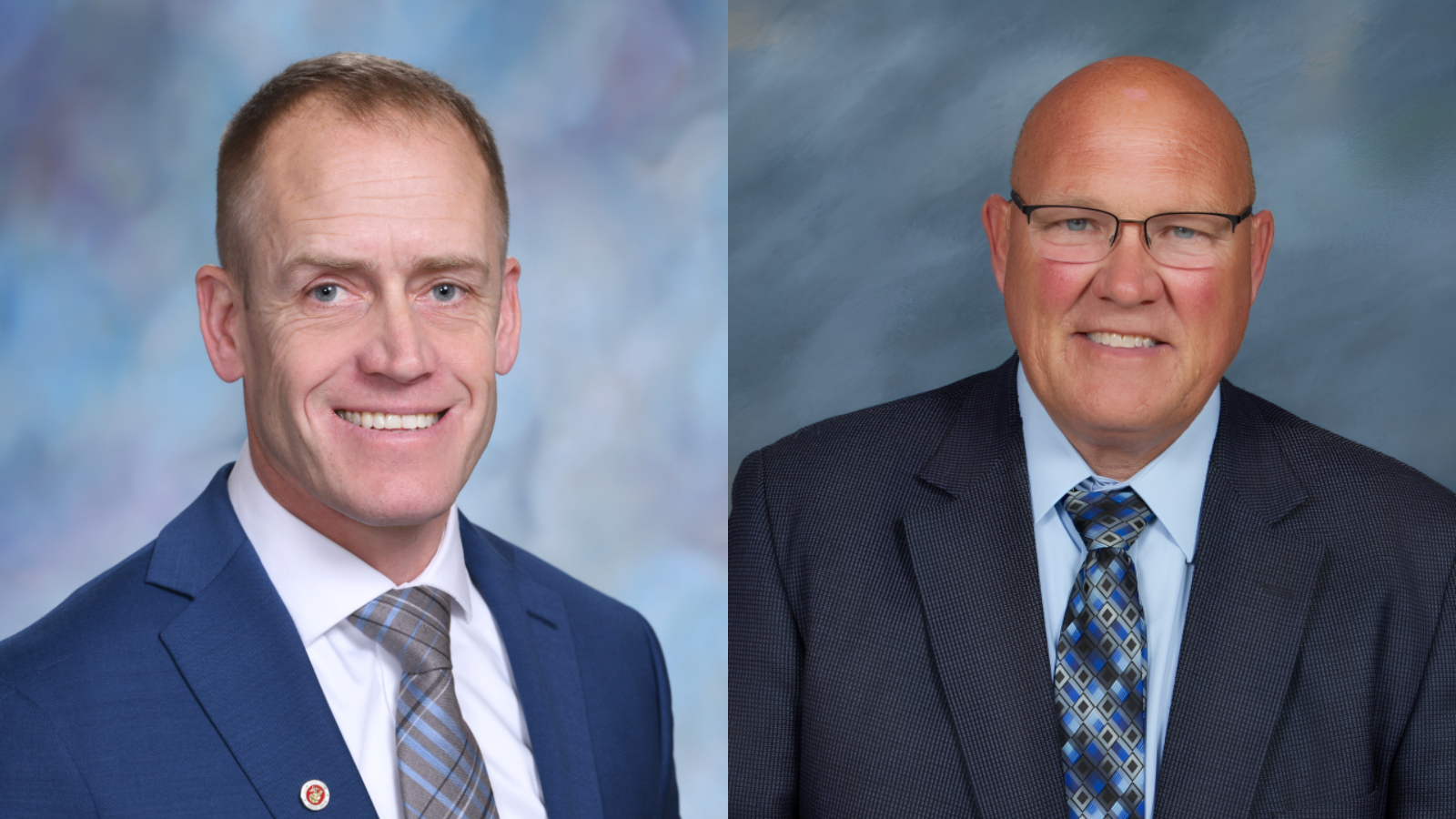
Simplified: District 16's lone senate seat has already been decided, as Kevin D. Jensen will return to Pierre running unopposed. That leaves three people vying for two open seats in the South Dakota House of Representatives – only one of which is an incumbent as Dist. 16 Rep. Karla Lems opted to instead run on Jon Hansen's gubernatorial ticket.
What to expect
- This (extremely long) article will introduce you to all of the candidates running to represent District 16.
- All candidates answered the same slate of questions – compiled with input from Sioux Falls Simplified readers – which should allow you to easily compare and find the candidates that most closely align with your personal political views.
- Topics include:
- Data centers
- Education funding
- School choice
- Childcare
- Property taxes
- State budget
- Medicaid expansion
- Elections
- Open primaries
- Economic development
- Criminal justice
- And transparency
- Topics include:
- Candidates spoke directly to Sioux Falls Simplified in face-to-face interviews that were then transcribed and summarized. No candidates had access to the questions ahead of time.
- This careful methodology ensures that no candidate could rely on artificial intelligence or other third-party resources to craft their responses – something only guaranteed by a conversation.
Meet the candidates
Candidates are listed in alphabetical order and then rotating throughout the Q&A.
Lisa Bogue
Bogue did not respond to multiple requests for an interview sent via email and phone call.
Tim Rhead
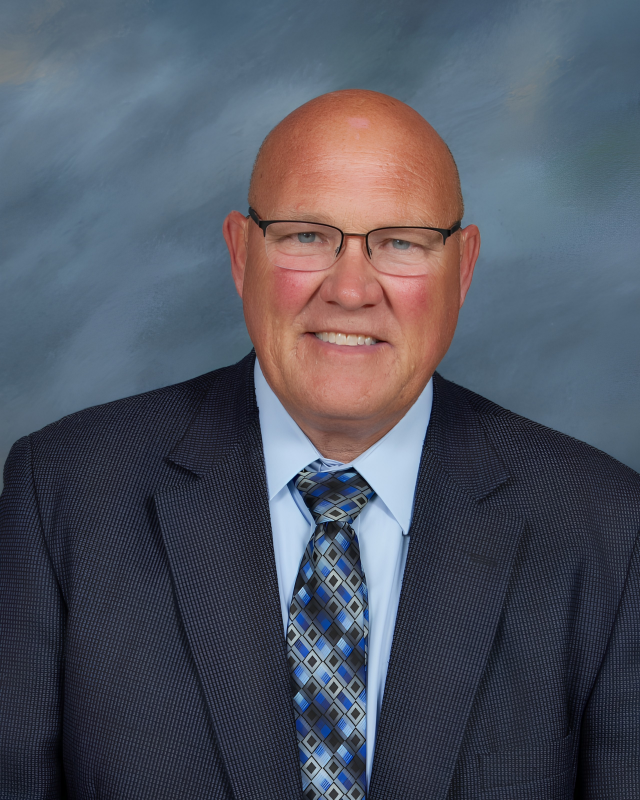
- Age: 55
- Occupation: Retired
- Why are you running for this office?
- "I've been interested in politics all my life. I retired this past June, and I thought, hey, there’s no better time to try it than now. I’ve got too many things I’ve thought about doing in my life that I didn’t do, and I didn’t want this to be another one. So I thought, why not. There’s no better time than now."
John Shubeck
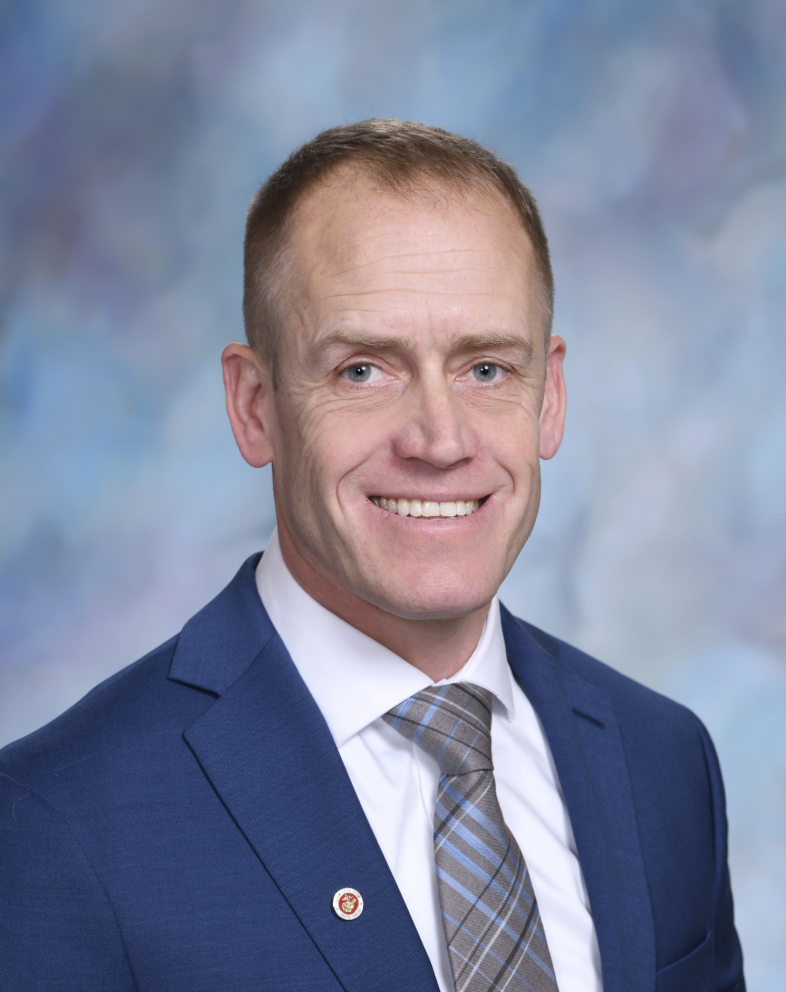
- Age: 45
- Occupation: Farmer
- Why are you running for this office?
- Shubeck was appointed to the seat in 2025 by Gov. Larry Rhoden to fill the seat vacated after Rep. Richard Vasgaard died.
- "The primary reason I got involved is people approached me from the community and said, 'we need somebody who’s level-headed that represents our values. Would you consider applying to finish out his term?' I decided to, went through a rigorous selection process, and I was ultimately selected for that.
- "And I agreed to run for reelection. The bottom line is I served 20 years in the Marines too, so I’m a very service-oriented person. That’s really where my heart’s at."
Here's how the District 16 candidates responded to a variety of policy questions
Answers are edited for clarity and length.
DATA CENTERS
What are your priorities when it comes to data centers in South Dakota? Do you support data centers, and if so, what, if any, limitations would you put to protect residents from negative impacts?
Bogue: Could not be reached for comment.
Rhead: "I do not support data centers.
- "Am I an expert in that field? No. But from what I have heard from watching the news and watching other places where they’ve gone in, the water and electricity they use is a lot. Also, from what I understand they really don’t employ a lot of people, and if we only think about technology in 10 years they’re probably not going to be here anyhow. I’m not in favor of data centers being in South Dakota."
Shubeck: "First of all, in the last session we passed the data center bill of rights which put a bunch of restrictions in place, making sure they pay for any needed upgrades to bring in electricity and making sure ratepayers’ rates won’t go up.
- "We also delegated authority down to the local level as far as approval of both moratoriums and citing for these things, which I think is the way to go.
- "With the hyperscale data centers we really need to have some additional conversations about these things. I toured the one in North Dakota, and that thing is massive. It uses as much electricity as a medium-sized city in South Dakota. There’s a lot of things that need to be considered before I’m on board with one. I’m way against that tax break."
EDUCATION FUNDING
South Dakota for years has given public schools less funding than required under state law. How big of a priority are public schools and ensuring they’re adequately funded?
Rhead: "Number one. My entire life has been in education. I was a teacher for a number of years and just retired as superintendent and elementary principal of Alcester-Hudson.
- "There’s no greater investment in the country than the youth. They are going to someday be in charge of this country and we need to give them every opportunity to be as successful as there possibly can be. When it comes to funding, that has to be first and foremost.
- "There’s a commitment from the state that we’re going to give a 3% increase (or inflation, whichever is lower) every year. It seems like education is an area where the state feels that we can save money. If there’s any kind of a budget shortfall it falls on education.
- "I do believe that it should be an opportunity to invest in education. That should be our number one investment. Coming from a school I know money doesn’t fix everything, but it all starts there."
Shubeck noted he, his wife and many of his relatives have worked in schools, and he's a very big supporter of public schools.
- "I was really frustrated this last session with the lack of support for school funding. I got really annoyed with starting new programs – voted against starting new programs. If you’re not going to pay your teachers properly then why would we start new programs? Pay your bills first. We have to at least keep up with inflation. We need to properly fund these schools and keep up with inflation before we think about anything else."
Bogue: Could not be reached for comment.
SCHOOL CHOICE
Do you support using tax dollars to subsidize private schooling, homeschooling or other school choice initiatives?
Shubeck: "I do not. I am very supportive of homeschooling.
- "Most homeschoolers will tell you they don’t support vouchers for homeschool because they don’t want the government dictating what they can and can’t teach.
- "For private schooling, we’ve seen it attempted in other states, and it ends up driving up costs. It’s kind of like one of those things where you’ve got a public gym and a private gym. You can go to the public swimming pool, or you can go to the one with the fancy slides, but the public swimming pool is a service to the community. Choosing to go to (private school) over public school is your choice, and you’ll pay extra."
Bogue: Could not be reached for comment.
Rhead: "I do not. Do I think those things are fine? Absolutely, but I don’t believe that’s where public dollars are meant to go. Obviously choice is important. However, if you choose to do that you need to also choose to pay for that privately."
CHILDCARE/AFTER-SCHOOL CARE
Do you support using state funds toward preschool/afterschool care and/or childcare?
Bogue: Could not be reached for comment.
Rhead: "A lot of schools have stepped up and they do preschool on their own.
- "In Alcester we had 3-year-old and 4-year-old preschool – $170K of the budget. We make a commitment. We know the younger that we reach children, the more success they’re going to have. Reimburse some of that. I’m not saying that we have to pay for all of that, but if we can do something to help out with that, that would be wonderful. Again, these kids are the future of our country, and the sooner we can get them on the right path, the better we are."
Shubeck: "I don’t think we have that money in the budget. And local schools have found ways to fund that on their own. Centerville is providing that for kids. I just don’t think the state level (it's feasible). We run an extremely lean budget. Unless the taxpayers are ready to cough up more money, it’s hard to fund that."
PROPERTY TAXES
Are property taxes a problem in South Dakota? And how do you weigh the needs of the taxpayers with the needs of local governments to provide essential services?
Rhead: "That's a very tough question because obviously everyone’s going to say taxes are too high – who wants to give their money to the government? But in South Dakota we are extremely property tax dependent.
- "Taking that away seems like an easy fix but it’s not, especially in Lincoln County and Minnehaha County. I don’t know if property tax is such an issue or if it’s assessed valuation that’s such an issue. Your house that you bought for $100,000 now the county says is worth $350,000 and you’ve gotten no return on that whatsoever, but the county wants more money. I hope over time that kind of levels off ...
- "In short, we need to continue to look at property taxes and valuation and do everything we can to lower that. But, again, by simply shifting taxes into some other areas like sales tax – I don’t know, robbing Peter to pay Paul. We've all got to pay in the end."
Shubeck said he supported the property tax relief passed in the 2026 legislative session, and that he's heard from lots of constituents on the issue.
- "I think it’s gonna run its course. I was talking to one of the mayors in my district, and he said they’ve had a steady reduction in applications for property tax relief. It’s definitely a problem, and it definitely needed to be addressed.
- "You can’t totally cut something because you still have to pay for roads and schools and everything else. I feel like that was a pretty good compromise. I don’t think it’s a forever solution. As supply of housing goes up I think we’ll see leveling off of home values."
Bogue: Could not be reached for comment.
BUDGET
As in any budget scenario, the needs and wants of South Dakotans are greater than what the state spends on helping them. What’s your philosophy when it comes to the state budget, the amount of money in reserves and who should benefit from the tax dollars we all pay?
Shubeck: "Let me start off by saying I like the way we do things. I think the way South Dakota does budgeting. Man, I wish we could do that at the federal level – keep 10% in reserves, mandated to balance budget.
- "Any time we can give any excess money back to the consumer, that’s a great thing to do. When you pass it through the levels of government there’s so much lost to inefficiency. It’s better just to put it directly into people’s hands as we can. Keep taxes low, keep spending low.
- "But we do need to make sure we’re prioritizing paying people right, that we’re prioritizing things that make people want to stay here. When you go to Sioux Falls, they’ve done such a good job of building up bike trails and parks and things. It’s kind of a model of what we need to be balancing – keeping a balanced budget while keeping lifestyle things as well."
Bogue: Could not be reached for comment.
Rhead: "I have no personal agenda whatsoever when it comes to this stuff. ...
- "We have lots of reserves, but rather than putting surplus in reserves – as long as reserves are at 100% – we are going to take that $56 million, and we are going to return it. I would like to see that money go to public education ... and maybe include all the big three. I’ve not done (the exact calculations) if you include everybody, I’d like to see something done like that. Adding to the rainy day fund that we never ever touch doesn’t make a lot of sense."
MEDICAID
South Dakota voters supported medicaid expansion in 2023 – Do you think they made the right choice? How will/will you support ongoing access to healthcare for vulnerable residents and ensuring providers are adequately funded?
Bogue: Could not be reached for comment.
Rhead: "I understand that it is a huge cost to the state of South Dakota. However, I would never go against the people’s will.
- "Do I think they made a mistake in passing that? Absolutely not. When you live in a democracy, that’s the way things work. Continuing funds for that – yes, that is a difficult thing to come up with, and I don’t have a good answer on how we continue to do that.
- "I know every year it’s going to become more of an issue. The feds are trying to pass more onto the state. There will continue to be something that will have to be funded."
Shubeck: "That’s a tough one. The thing that is difficult is the way they put it into the constitution.
- "It now exceeds our spending on education. It makes it really tough that we really can’t tinker with it because it’s in the constitution, so we have to fund it. There's discussion of having mechanisms in place so that if federal funding is reduced, then we’re not left holding the bag.
- "Our state budget as it stands at the moment won’t be able to withstand that. Ultimately it was up to the voters and they chose the way they did. As long as we can fund it, then it’ll remain where it is, but if the federal funding goes away we’re going to have to get creative."
ELECTIONS
What, if any, changes do you want to see the state make when it comes to absentee voting, voter registration, voter ID laws and elections in general?
Rhead: "I believe we have a very fair election system here in South Dakota. I don’t know if I would like to see a lot of changes to that."
- Rhead also noted challenges with absentee ballots given how long it takes for mail to be delivered now, as well as the recent Supreme Court case allowing states to count ballots delivered after election day – something S.D. could implement.
- "I believe in Sioux Falls there were some that came in afterwards that were postmarked (in time for Election Day). It would be nice to see that to make sure everyone’s vote is heard."
Shubeck: "I think that’s one where I would have to read more on it. I feel like it’s been working pretty smoothly so far.
- "I know there are people that always are worried about transparency. Any transparency we can bring to it is awesome. I think overall the way we’re doing it is the most efficient that we can and most reliable. ... I think in that Sioux Falls election, it seemed like they did things to the best of their ability to my knowledge."
Bogue: Could not be reached for comment.
OPEN PRIMARIES
Is it time for open primaries in South Dakota?
Shubeck: "I don’t like open primaries, no. At that point why do we have parties?
- "I think having a political party with a platform that people can reliably get behind is a great way to vet candidates. When you go to the voting box, a lot of the voters are not as informed as you’d like them to be, anyway. You’d love for them to do more research on the candidates, and I think it’d be great if we could reduce the amount of money in these campaigns. I think that’s gotten out of hand. If you go to an open primary that puts all the onus on the voter to go in there and do all their research."
Bogue: Could not be reached for comment.
Rhead: "I don’t personally know enough about them to say yes or no on that. I do know we had, again, the people voted on that a couple years back. There was an initiative to get that done, and it did not pass. We had the will of the people and that’s what we need to follow in the state. Maybe that needed to be explained better in exactly what open primaries meant."
ECONOMIC DEVELOPMENT
How does economic development factor into your list of policy priorities? What role do you think the state should play in supporting existing businesses and attracting new businesses/industries?
Bogue: Could not be reached for comment.
Rhead: "Obviously without economic development, you’re falling behind. We have to have economic development.
- "I don’t know how (about) the governor having the fund where he just throws millions of dollars at everybody. I think there needs to be more oversight on that.
- "I also think there needs to be some looking at how much tax deferment and how many years we give people to not pay taxes because obviously that economic development doesn’t help the state. I think we need to take a good hard look at that.
- "I would love to see more manufacturing, more things made in the United States. If there’s one thing COVID taught us, we don’t make a lot of things in the U.S. We are very dependent on other countries."
Shubeck: "I think we need to be careful. We’ve seen lots of controversy with some of these projects and some of the funds. I wasn’t a big fan of the shooting range idea – millions of dollars on a shooting range (near Rapid City).
- "But with that said, in Centerville these small towns’ economic development has been critical on the smaller scale. The bigger scale stuff, that’s where you get into issues and controversy.
- "Within my district, I left active duty from the Marines and moved back home around 2014, and Centerville was kind of in a tough spot at the time. We had a good friend of mine renovate downtown, found ways to get rid of rundown buildings and get contractors to come and build new buildings in the place.
- "Centerville has completely turned around in the last 12 years and a lot of that’s due to him and his economic development efforts. ... Those programs are very useful for these small towns. And for reviving blighted areas – I think is a valuable tool."
CRIMINAL JUSTICE
What policies do you want to see enacted to support re-entry and reduce recidivism – especially in light of the new prison being built in Sioux Falls?
Rhead: "Obviously that’s a huge problem. I have friends that are cops in Sioux Falls and they say on a daily basis 60% of the people they deal with are the people they deal with every single day – people who’ve gotten out (of incarceration.
- "There needs to be more done to better training in our prison. I’m going to link this back to public education. I think we need to start there. There are several teacher things like that. They can see issues already in those younger grades. I think we need more counseling and therapy. The younger that we can reach people and help them, I think that will help our results when we get older."
Shubeck: "We needed a new state penitentiary. I think moving it out of Lincoln County was the right choice, and scaling down some of the asks was a good thing.
- "Now, we’ve got to find a way to reduce recidivism. In that old pen, the areas for education were not conducive to education. So we definitely need to partner with other organizations to help educate people so they come out with a skill.
- "There’s the prison task force that is going through that, and it’ll be interesting to see what solutions we come up with. ... Anything we can do to reduce recidivism – I've got some personal friends who are combat veterans who’ve been in and out of jail and prison and have some addiction issues. If we can curb addiction – programs to help with all of these things – man, that’d be amazing."
Bogue: Could not be reached for comment.
TRANSPARENCY
How do you plan to seek input from your constituents? What’s the best way for people to reach you with their feedback?
Shubeck: "During the session last year, I responded to every single email. The best thing to do is put where you’re from. Sometimes you get these mass email systems. If they put, 'here’s my phone number,' Itry to call them too. I like to talk rather than play email tag. They can find my phone number on my website and call or text me. I also love to meet people face to face."
Bogue: Could not be reached for comment.
Rhead: "Obviously,you can email. You will be able to go to cracker barrels and things like that. District 16 is a large district, so it’s hard to be everywhere all the time."
- Rhead also noted that he'd like to see more people actually know who their elected state representatives are. (Editor's note: If only there were some kind of a local news resource or something???)
What happens next?
Election Day is Nov. 3.
You can check your voter registration on the Secretary of State's voter information portal. The voter registration deadline is Oct. 19.