Editor's note: This is one in a series of voter guides ahead of the Nov. 3 election. To find your district, you can type your address into this interactive map on the state legislature's website.
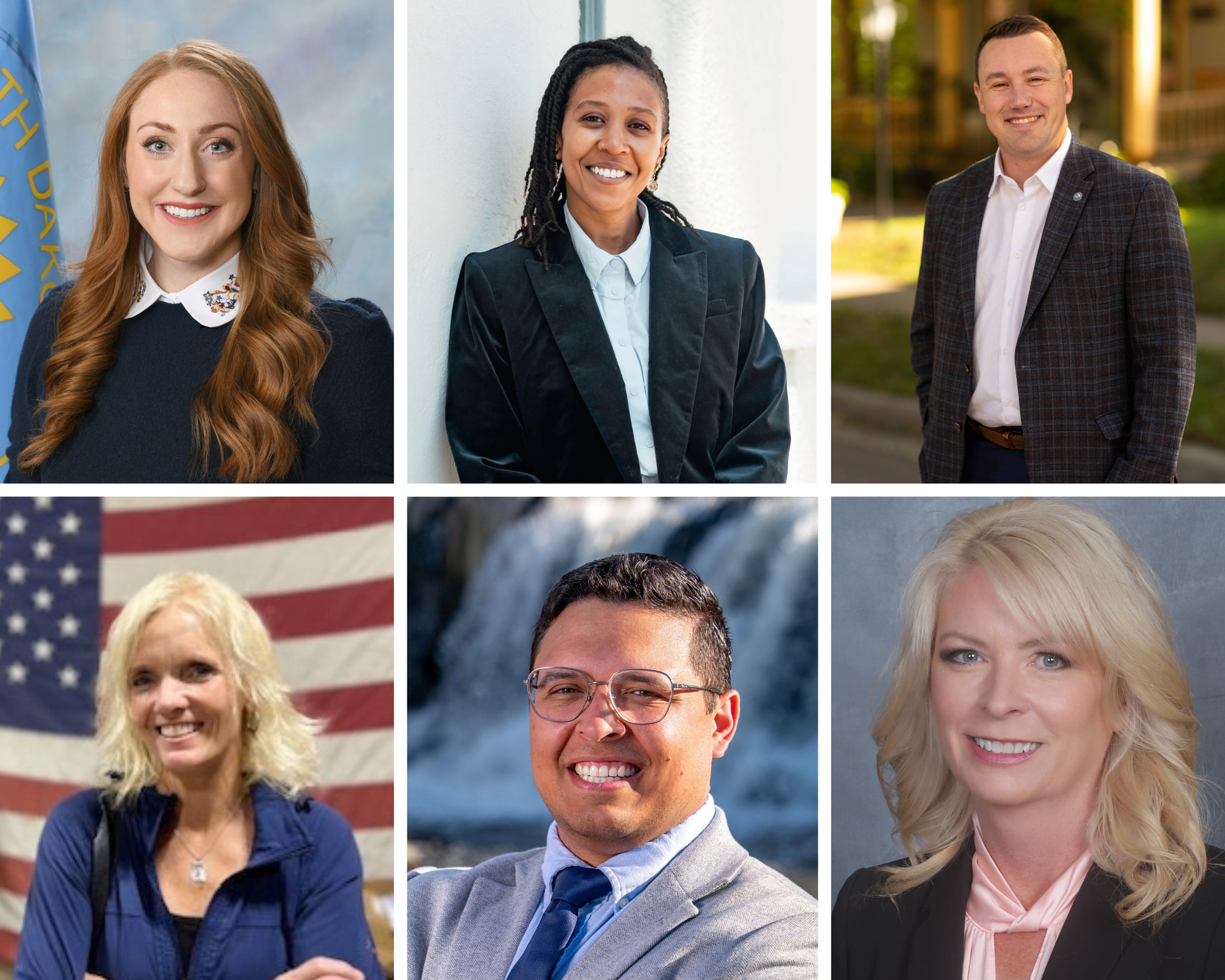
Simplified: District 15 one of few districts in the Sioux Falls area in which every single seat is hotly contested by both parties. It's also one of few districts in the state which historically elects all Democrats. Current Rep. Erik Muckey is vying for the senate seat previously held by Jamie Smith, who lost by four votes his chance at being Sioux Falls' mayor. That leaves room for at least one newcomer in the house seats and only one incumbent, Rep. Kadyn Wittman. Voters will elect one senator and two representatives.
What to expect
- This (extremely long) article will introduce you to all of the candidates running to represent District 15.
- All candidates answered the same slate of questions – compiled with input from Sioux Falls Simplified readers – which should allow you to easily compare and find the candidates that most closely align with your personal political views.
- Topics include:
- Data centers
- Education funding
- School choice
- Childcare
- Property taxes
- State budget
- Medicaid expansion
- Elections
- Open primaries
- Economic development
- Criminal justice
- And transparency
- Topics include:
- Candidates spoke directly to Sioux Falls Simplified in face-to-face interviews that were then transcribed and summarized. No candidates had access to the questions ahead of time.
- This careful methodology ensures that no candidate could rely on artificial intelligence or other third-party resources to craft their responses – something only guaranteed by a conversation.
Meet the candidates
Candidates are listed in alphabetical order and then rotating throughout the Q&A.
June CopperStad (House)
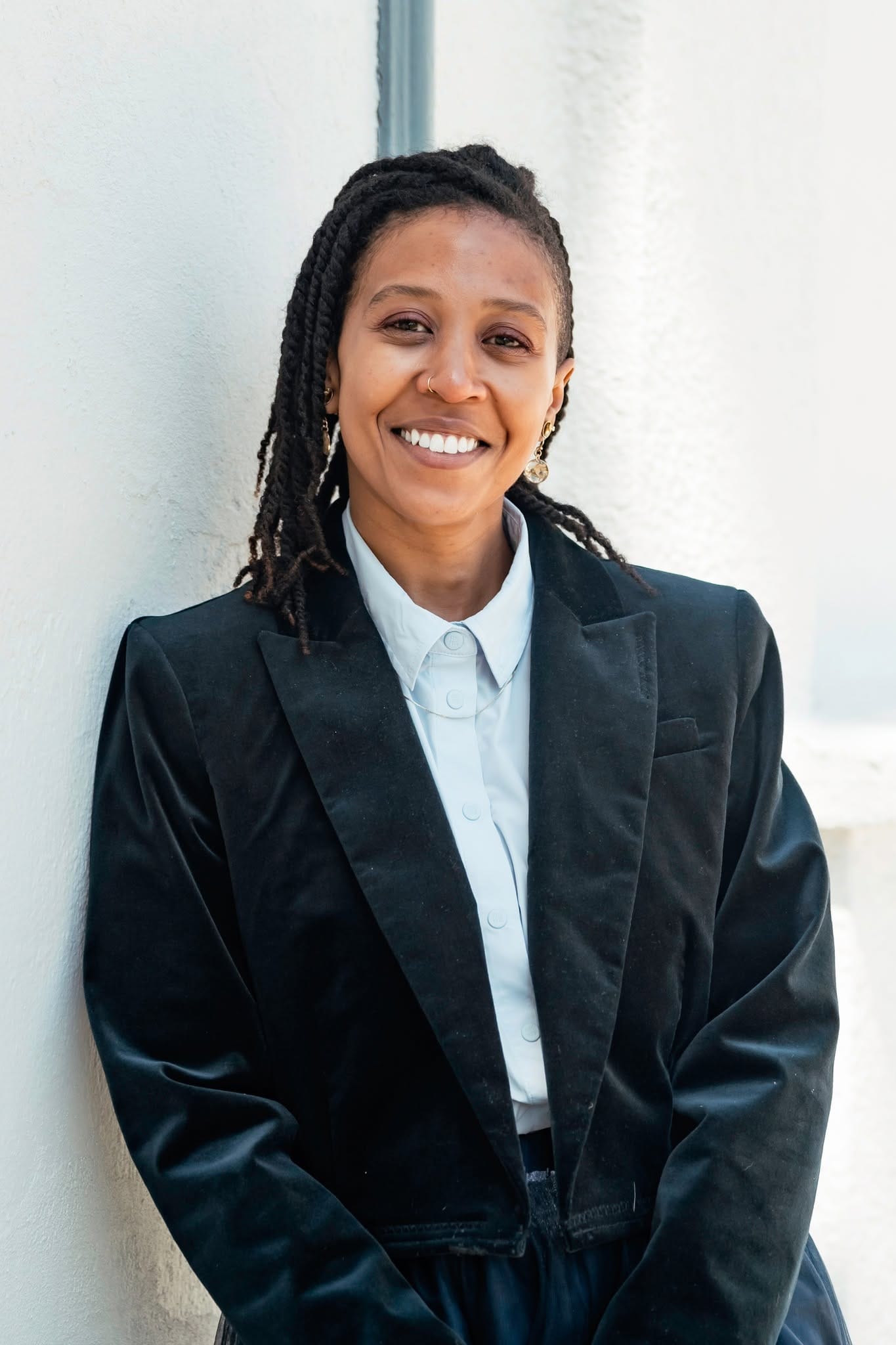
- Age: 33
- Occupation: Community health worker, business owner
- Why are you running for this office?
- "I’m running because I am a community health worker and a social worker, and I can no longer provide the services that I am supposed to provide in that field.
- "I‘ve sat with so many people where they're just trying to get their basic needs met and they're working two or three jobs and can't find affordable housing, childcare or basic resources to be stable. And we need it to change.
- "I care about people. I know that we can meet everyone’s basic needs. I know we can have a community that’s more supportive of all humans – no matter where you are on socioeconomic scale."
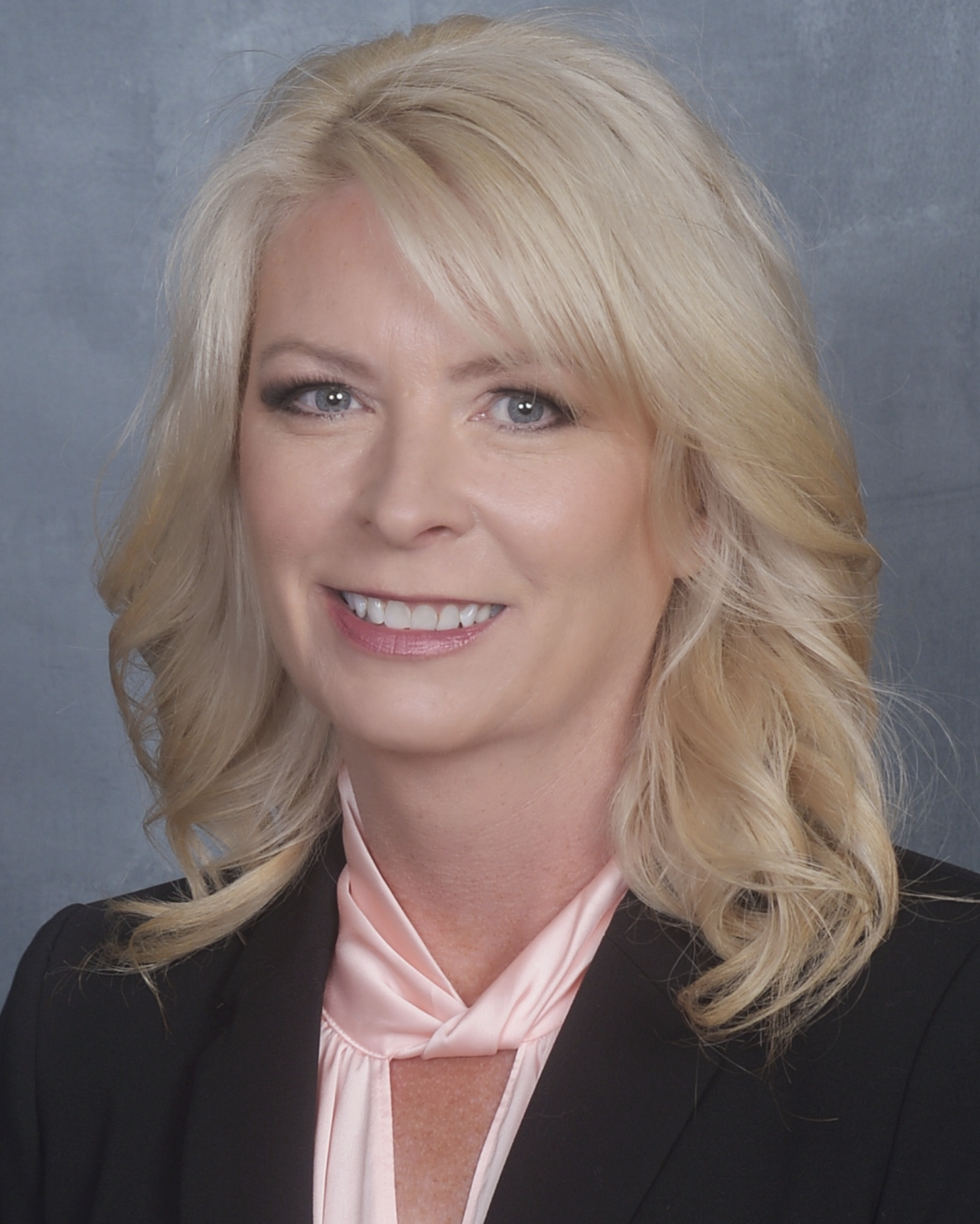
Brenda Lawrence (Senate)
Due to scheduling conflicts, we were unable to set an interview before publication. Sioux Falls Simplified is actively working to include Brenda's answers as soon as possible.
Erik Muckey (Senate)
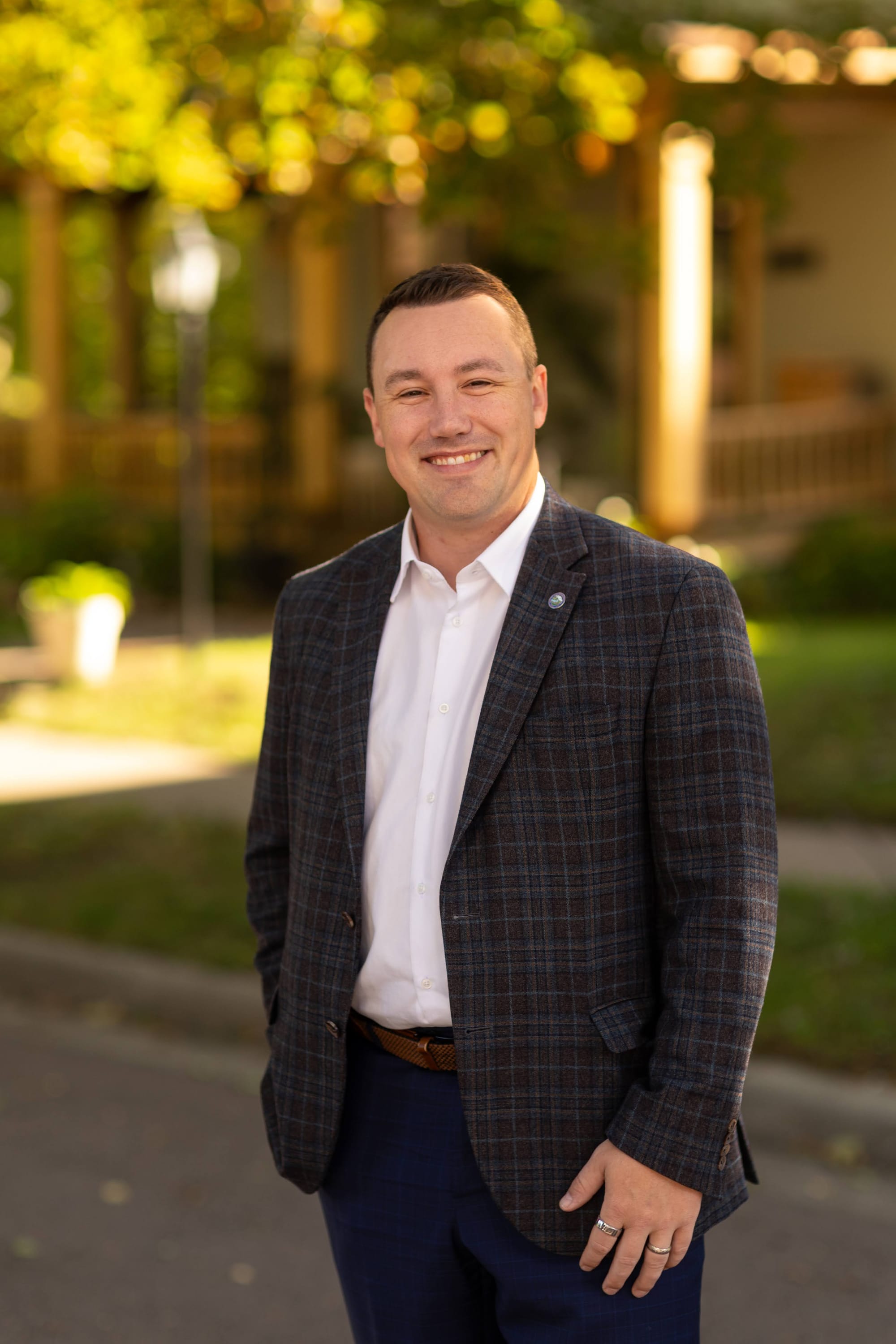
- Age: 34
- Occupation: Small business owner and consultant
- Why are you running for this office?
- "I was really proud of the work I was able to accomplish with colleagues here and across the state for the district – particularly for being able to fight and secure funding for healthcare, and the type of healthcare that makes sure everyone has access. Falls Community Health – I was able to save them from potential closure, and helped keep 35 rural hospitals from losing their funding.
- "When I think about those type of victories and the others I was able to accomplish – I knew there was kan opportunity to move to the senate seat. I've only been able to scratch the surface yet, but I've still been able to accomplish a lot the first two years. I want to be an effective leader for our community."
Joni Tschetter (House)
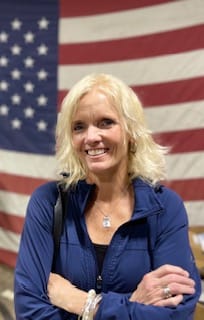
- Age: Declined to disclose
- Occupation: Business owner in Sioux Falls
- Why are you running for this office?
- "I’m a business owner. I have my business here in District 15 as part of it. I am very knowledgeable about the business aspect. I am a problem-solver, and I work very well with people. I see a problem and I want to solve it.
- "I believe in encouraging people to volunteer here in Sioux Falls, and I believe if we can get somebody to work with volunteer organizations here in Sioux Falls, a lot of problems will be solved or a lot of problems will be in decline. I’m really pro-job, pro-family, pro-schools. I have time to help, time to commit, and I just felt it was the right time to run."
Kadyn Wittman (House)
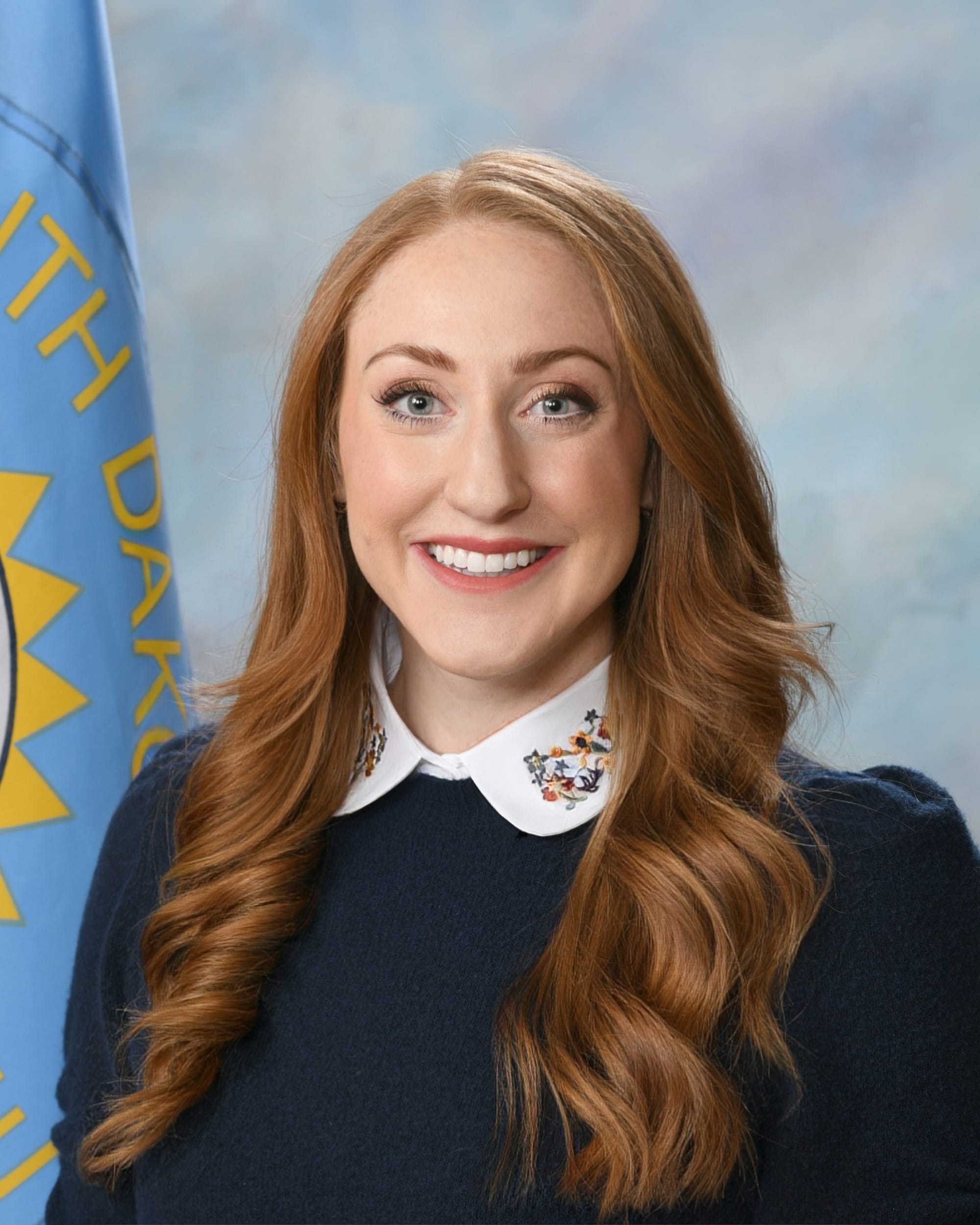
- Age: 35
- Occupation: Development Director at the Sioux Falls Family YMCA
- Why are you running for this office?
- "I am running for my third term because I believe I've been an effective lawmaker for the past two terms – and not only effective, but I think I've built some good relationships.
- "Everyone is aware that our state runs on relationships, and so I think it's important to carry those relationships. I know we have struggled with losing institutional knowledge.
- "And additionally, selfishly, I want to continue expanding school lunches, advocating for smarter policies around criminal justice reform and be a voice of reason in rooms where reason is sometimes in short supply."
Andre Zachariahs (House)
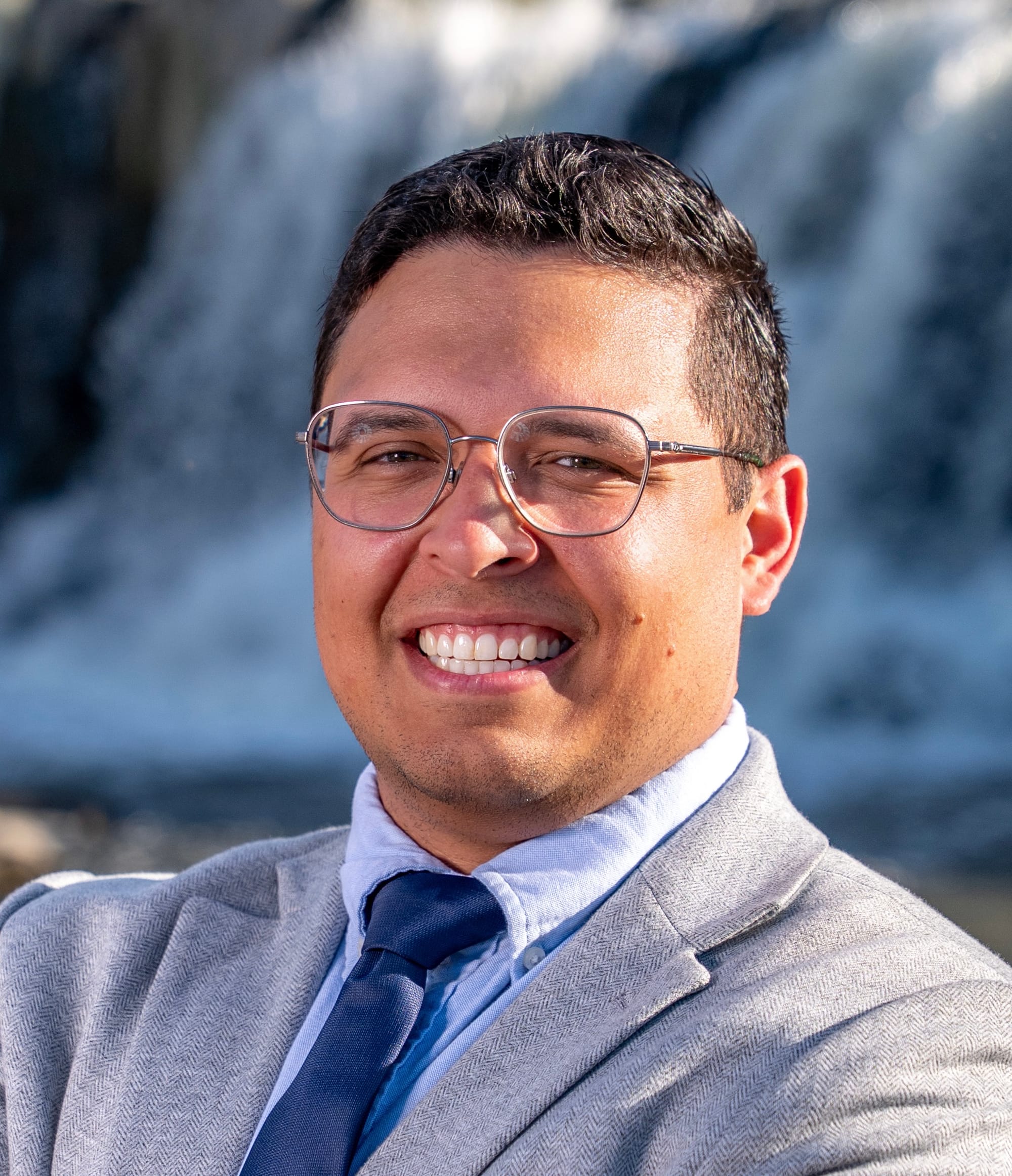
- Age: 35
- Occupation: Actuarial analyst for Marsh McLennan
- Why are you running for this office?
- Zachariahs credits his dad, who came to the U.S. from India in the late '80s and became a citizen in 1998. Growing up, he watched his dad get involved in politics and became interested himself in the United States' constitutional system of government.
- "It's allowed so many people to rise up out of poverty," Zachariahs said. "We've been able to do some incredible things here at home, but globally as well. It's maybe hackneyed to say you want to see everybody flourish and thrive, but we've been able to do that. We have an incredible state, and I want to keep it a place where we can do business, create jobs, work well, and serve our neighbors together."
Here's how the District 15 candidates responded to a variety of policy questions
Answers are edited for clarity and length.
DATA CENTERS
What are your priorities when it comes to data centers in South Dakota? Do you support data centers, and if so, what, if any, limitations would you put to protect residents from negative impacts?
CopperStad (House): "I do not support data centers, especially hyperscale data centers in the state of South Dakota or, quite frankly, anywhere.
- "I do not see that the benefits of AI outweigh the costs to our environment or to human health, so I would just love to not see it. However, they’re already here. There’s a lot of money behind this effort, we know that. I am one of the signers of the pledge from the South Dakota Democratic Party. There's several of us. That has some requirements for limitations.
- "We don’t need tax dollars paying for these data centers to come in and put hardships on us. They don’t need to be using our drinkable water. They need to make sure they’re not going to be driving up utility costs for people. We also need to address the very real impacts of lowering the value of homes in the immediate area, affecting people’s stability and livelihoods, health effects.
- "There are common-sense practical provisions that need to be put in around these things, but at the end of the day it’s not worth it. We have one planet and we get one life, and our environment and health are more important."
Lawrence (Senate): Coming soon.
Muckey (Senate): "I’m not a fan of hyperscale data centers in South Dakota. What is important for me is with this issue I don’t just think about what I think. As an economist, I don’t think this is the highest-and-best approach to develop an economy that works for South Dakota. If anything, I think it is a very poor way to accomplish that. I think about it for my district.
- "My constituents consistently tell me they do not want a hyperscale data center in their backyard. I think of it in a couple ways. One, if we cannot come up with a policy framework that protects residents from the worst impacts of it, you’ve failed. A moratorium is one way of looking at how to stop these, but ultimately what I’m concerned about is if we can’t put together real policy that protects and incentivizes other forms of economic activity, then we’ve failed. ...
- "Regardless of what we think of hyperscale data centers, the thing that’s most important for all of us is we have to give local communities the opportunity to say no."
Tschetter (House): "From what I have seen on YouTube and what I’ve read about citizens giving actual documentation of, 'this is what their water looks like,' the noise, and water pollution are big concerns to me. I believe there should be a two-year moratorium on data centers until we get some basic information. We have a lot of intelligent people that can help solve a lot of problems here in America, and I feel that right now we haven’t solved some of these problems.
- "The water pollution is a big concern because I have seen pictures of actual homeowners’ water. Would I want to drink that water? No. It has been multiple citizens. (And regarding) noise pollution – if you’re living out in the country, and you have a data center right next to you, that can drive you crazy. Cattle became mean, for example. We have such prime farmland and pasture that not a lot of states have, and I don’t think we should reduce our amount of land that we have to produce crops and provide food security."
Wittman (House): "I can’t say for certain that I would 100% support data centers or 100% oppose them because I think there are many different versions, so it’s more important to drill down to what people are talking about when we talk about data centers in South Dakota.
- "The thing that’s top of mind for me is resource use and (being) mindful of water use for Indigenous neighbors. I think it’s kind of on a case-by-case basis what’s in front of me.
- "We’ve seen some positive impacts of data centers when it comes to funding certain school districts in our state, but we’ve also seen some negative impacts with data centers when it comes to utilities, resource usage, land usage and, again, those relationships with Indigenous folks in the community."
Zachariahs (House): "I appreciate what the legislature did this last session in creating a data center bill of rights. If we’re doing this, we do need to protect natural resources.
- One of our favorite things as a family is to go to national parks and camp. Maintaining natural resources is incredibly important, water specifically. From an electricity standpoint, if a data center is going to come, the data center should be responsible for that. Ultimately I think it’s up to the communities if they do or don’t want to see them. ...
- "I think we’d be a little shortsighted to say that the way data centers are constructed today is the way they’ll be constructed five, 10, 20 years down the road. There will be advances. Ultimately, we have to adapt and adjust to what happens. But ultimately that control is local. Besides keeping utility protections in place, it’s up to the local communities."
EDUCATION FUNDING
South Dakota for years has given public schools less funding than required under state law. How big of a priority are public schools and ensuring they’re adequately funded?
Lawrence (Senate): Coming soon.
Muckey (Senate): "(Schools) have been an extremely high priority of mine in the Joint Committee on Appropriations.
- "I think it’s important for South Dakotans to understand that it’s that committee that sets the state budget. I’m one of 18. To have the votes to be able to convince 17 colleagues is no small feat.
- "The thing I’ll say I’m proud of this last session is I was extremely vocal in committee about moving away from the governor’s 0% increase (for education). I was still in the room saying you cannot fall backward on a commitment you’ve made for literal decades. ...
- "If we’re not thinking about not just teachers but the intensive increases in operating costs in general, particularly in insurance premiums – if we’re not thinking about the entire school, we’re never going think about the entire child or the entire teacher either.
- "If we’re not prioritizing the education system that is bound in our state constitution, we’re not doing a particularly good job of guaranteeing a future for our state or guaranteeing one where our kids are going to stay here."
Tschetter (House): "To be honest, right now I do not know the specifics of the school funding.
- "Being a past schoolteacher in Iowa, schools are very important. Education of any child is important. I have to get more information on that. I can’t tell educators how to teach at all, but it’s important our children are taken care of and that we can expend the money most efficiently and effectively.
- "I think that’s why we have school boards, because school boards are much more knowledgeable about that than I am. They can bring the info to us and possibly have solutions for us instead of us inventing them. I think we indeed need to lean heavily on every school board member to help us understand the need."
Wittman (House): "I think public schools are one of the single most important ways we can invest in our communities and the future of our cities and state.
- "We’re seeing a lot of parents come to the legislature and say they want 'school choice,' and that means something different to different families and different parents. After talking to a lot of these parents, the end goal is always they want their child to have all the resources and support systems they need to succeed and thrive. I also want that for their child. I want their child to experience that in a public school.
- "I would like our schools to be overfunded. I want teachers to have more resources than they know what to do with. I want ... public schools to have all of those things so they can meet the needs of every student."
Zachariahs (House): "My wife is a teacher for special education kids with emotional and behavior disorders. The work that they are able to do is incredible.
- "We need our public education. That’s one of the top issues I’ve been hearing going door-to-door with people: education funding. We have a minimum cost-of-living or 3%, and that’s our baseline target we have to get to. As we get down the road, Minnehaha County’s opted out of property tax limits. That’s just going to be the case if we don’t continue from a state level. We do have to, at a bare minimum, get to what we’re required by state law."
CopperStad (House): "For me they’re a huge priority ...
- "We really need those to be a first priority of investment, especially because we’re talking about people from every facet of life bringing their children to the same place. We need to make sure everyone in those environments can be supported to the same degree.
- "(Regarding) teacher pay – we need the folks in the room to be able to come to our youth and be their best self. They don’t need to be stressed by multiple jobs or paying out of pocket for school supplies. They need to be adequately supported, full stop.
- "We also need to make sure that no matter what neighborhood our children live in they have the very best materials, supplies, technology. All of our youth need access that says you matter, you are worth investing in. ... Video lottery money goes to the general fund. There are many places in our budget where we can reallocate dedicated funds to bring education investment up to where it should be."
SCHOOL CHOICE
Do you support using tax dollars to subsidize private schooling, homeschooling or other school choice initiatives?
Muckey (Senate): "No. I think it’s important for folks to understand there’s a very big difference between school choice and school subsidy.
- "I think it’s important to remember that those who choose a different form of education were the most vocally against school vouchers like this – those were homeschool parents. Homeschoolers do not want the government in their education. If you are going to take public money, and you ask us as appropriators to be watchdogs on the taxpayer dime, area homeschools, private schools, other options going to be held to the same accountability for taking public money."
Tschetter (House): "We all pay taxes whether we homeschool or not. I think homeschools and charter schools provide a whole different type of environment for kids to learn. Every kid learns differently. Some kids thrive in the public school. I believe that some of the tax dollars should go to that, though to what extent I’m not knowledgeable about that and I cannot speak to that. But we all pay taxes whether the kids go to public school or not."
- Tschetter added that she would also support more vocational education.
Wittman (House): "No. Any time we are putting funding into alternatives to public school it typically means we are pulling those dollars away from our public schools."
Zachariahs (House): "Before we can really think about that, we need to fully fund schools.
- "People have that choice. I was home-schooled growing up. We’ve seen some models across the country. Concerns include stripping out funding from public schools. I would not be in favor of removing public school funding, but I do think parents have that choice.
- "I want to make sure we are a state environment where parents can make that choice. I have four boys. They do not learn the same, and they are incredibly active. We’ve talked about homeschooling them at different points too, but it’s ultimately a family choice."
CopperStad (House): "I do not. I might have a bit of a grey area on homeschooling, but for private schooling I just don’t think it’s an appropriate use of public dollars.
- "Public education is a public resource, and private education is not, simply by the bar of income. Some people can access private education and others cannot.
- "I don’t want to discredit any of the positives that might come from private education. I think that’s wonderful if you can get that sort of specialized attention, but every child deserves that. So when we’re not even meeting the burden of need in our public school system, our public dollars cannot go to a private effort."
Lawrence (Senate): Coming soon.
CHILDCARE/AFTER-SCHOOL CARE
Do you support using state funds toward preschool/afterschool care and/or childcare?
Tschetter (House): "That is a good question. At this time I’ve never considered it deeply, but it’s worth asking, 'what do the school boards say?' I’ve never considered it fully. I’d be open to hearing the pros and cons.
- She later added that Sioux Falls' bus system could be used more to have kids ride the bus home after school. "It's a great resource that can be utilized more."
Wittman (House): "Yes – can you underline that three times?
- "Yes, we should be subsidizing childcare, Pre-K and universal Pre-K across our state. If we really want to talk about the importance of economic development in our state and ensuring parents in the workforce, that means the government has to subsidize childcare. There is not another way around it."
Zachariahs (House): "We are one of seven or eight states that does not provide any sort of funding for preschool or childcare right now. ... I know those expenses. It’s really hard to find a daycare provider. It’s really expensive to pay for daycare.
- When it comes to childcare specifically, with some of the models – college funding, Pell grants, etc. – when the state comes in you also see a rise in the overall cost because the institution can pass on a little bit more. Everything just ends up more expensive.
- "I think what we can do from a childcare standpoint: are there ways with zero-interest or low-interest loans to help fund supply? We really have a supply issue ultimately. That’s not going to change anytime soon. I would like to see some support on the supply area where if we can provide loans to help renovate or create a space for that, I think that would be an appropriate way to do it."
CopperStad (House): "Absolutely. ... Childcare is a public need – it’s not just education. Preschool education – we have studied the benefits. We know the exponential benefits that come from youth being able to access quality preschool. That’s definitely an appropriate use of state dollars because everyone’s going to benefit from youth that have a more solid foundation.
- "It's the same thing with after-school programming. Our youth need to have quality activities they can engage in with adults that are trusted in spaces that are comfortable and familiar and that support the family structure. At the end of the da,y when we’re talking about taking care of a child and supporting a family, that’s what we need."
Lawrence (Senate): Coming soon.
Muckey (Senate): "Yes. In some ways we already do that, but I think if there is an economic issue that is at the heart of just about everything we talk about in South Dakota right now, it is childcare.
- "Watching the Secretary of Social Services botch a rollout of childcare services – that is a cross-cutting issue that knows no party. I think it’s really important for us to come up with partnerships with other actors – federal government, local government, and private business – to find solutions to make childcare as affordable as we can make it. ... We don’t have to break the bank to make this work, but we certainly have to get creative."
PROPERTY TAXES
Are property taxes a problem in South Dakota? And how do you weigh the needs of the taxpayers with the needs of local governments to provide essential services?
Wittman (House): "That’s a great question. Are property taxes a problem? It depends on who you talk to.
- "We’re seeing different property tax increases in different areas around our state. Some communities are feeling intense pressure. Some communities, like Minnehaha, saw a slight decrease in taxes. Are property taxes a problem? Maybe, but that’s the social contract.
- "We have very few taxes in this state. We run an extremely lean state government, and we don’t really have any fat to trim. If you want bridges and schools and roads, sorry, but taxes exist because you exist in society, and you have to kind of pay back into that. Property taxes are really only a problem if you have a problem with paying taxes. That’s almost what it comes down to because that’s almost the only tax we pay in this state."
Zachariahs (House): "The first thing to understand is every dollar that’s assessed in property taxes stays local. They are not dollars that the state takes in. Maybe you can monkey around with funding, but ultimately every dollar from the property tax levy stays local. Keep that in mind first and foremost.
- "Within Sioux Falls ,you’ve seen the explosion in assessed home values, which has had more of an impact than the mill levy itself. District 15 is a majority rental district. Property tax reform focused solely on owner-occupied housing shifts burden to owner-occupied and makes it more unlikely that having a house is part of the American dream. (Are property taxes a) problem? Yes. In Sioux Falls we’ve seen an explosion again in assessed value and population growth overall. It’s going to come down to the local area."
CopperStad (House) said she's noticed her own property taxes go up, and knocking doors she's met people who've come out of retirement to be able to afford their property tax payment.
- "From a policy standpoint, the recent policy that is basically going to give a bigger tax break to folks with higher income because we’re basing it on the size of their home and giving them a bit of a refund on property taxes – that obviously means that folks with less are not seeing as much of a benefit.
- "I don’t know why we insist on doing things backwards. I think folks who have more resources and are able to give more into the effort to support more people in the community should do so, especially because that has just not been the case here locally in the state but also across the country. So much of our tax burden is on our middle- and low-income neighbors, and that’s just backwards."
Lawrence (Senate): Coming soon.
Muckey (Senate): "I think first and foremost, one thing I want constituents and readers to understand is I was at the table negotiating a different property tax relief than what was passed, looking at reducing mil levy while eliminating sales tax on groceries. It still would’ve been the lowest state sales tax rate in the region.
- "Property taxes are a problem insofar as we talk about affordability in general. ... Property taxes have become a problem not because our rates are higher, but because we’re dealing with economic shocks and demands on housing stock.
- "I think it’s important for folks in the community to understand how I think about property tax impacts and I think of it in two ways. I want to understand how this is becoming an issue for your daily affordability."
- Muckey also said recent property tax relief laws – SB 96 and SB 245 – are "bad bills for South Dakota," citing that a $2 million home will get a property tax cut while someone just buying groceries is now paying more in sales tax.
- "There should be caps on the folks getting tax relief. Not everybody needs a tax cut."
Tschetter (House): "I think a lot of that comes down to the county commissions. They decide where the money goes, so they have a very hard job determining which entity needs the money and which does not ...
- "On another issue, how can we get volunteer organizations—I’m really big on volunteer organizations—to assist in problem areas? If you want to spend money in a problem area and employ people to help in that area, is there another organization that is already working with that entity? There are a lot of volunteers and some great volunteer organizations out there."
- "Are property taxes a problem? Yes. It comes up a lot. People say, 'I have owned this house for 20 years, paid it off, then someone down the street sells their home and how is my house worth so much more?' Then I had to talk to them about forms from the county—if you have a hardship, have them help you with your taxes."
BUDGET
As in any budget scenario, the needs and wants of South Dakotans are greater than what the state spends on helping them. What’s your philosophy when it comes to the state budget, the amount of money in reserves and who should benefit from the tax dollars we all pay?
Zachariahs (House): "Number one: we’re required by the constitution to maintain a balanced budget. What that has meant in practice is that as we’re projecting revenues out a year and a half in advance, you can run into economic headwinds – COVID, war in Iran, something that is really out of these actors’ control.
- "We’re trying to run revenue projections so far in advance we have to be fiscally responsible in how we’re doing that. There is a level of responsibility we have to take, which means year over year we generally will run a surplus. Our legislature has been within 2% of their budget for the last several years, which is pretty incredible when you think about again the issues we’ve had to face and the challenges of budgeting that far in advance.
- "We have to be responsible and accountable with every dollar that comes through. The reality is we are one of the leanest state governments in the country. We don’t take in a ton of revenue, which means we have to be extremely responsive with that revenue. Education funding, Medicaid, state employees – those big three right away. Those are the things that need to be there first and then we can move on down from there."
CopperStad (House): "My philosophy is that where we have the highest need is where we need to have the highest investment. Right now we have money that’s in reserves, and we have a severe lack of resources that are destabilizing a whole socioeconomic category of our neighbors that really we all are feeling. ...
- "Here in Sioux Falls we don’t have adequate shelter, adequate emergency shelter, food banks for folks. We struggle with our wages keeping up with our food inflation and our housing and all these things. If you are not a millionaire or aren’t making six figures, things have gotten really, really tight.
- "We need to figure out how to keep each other safe and stable by meeting those needs. Coming from social work and community health work, Maslow’s hierarchy of needs is something I really look to. It shows us quite clearly that people need to have basic shelter, food, basic safety in order to get to the place where we all want to be, which is having good healthy relationships and self-confidence and being able to step into a career and give back to society. If we’re not able to meet people at that basic level, no way are we going to see ourselves move into those other areas."
Lawrence (Senate): Coming soon.
Muckey (Senate) noted that anyone patting themselves on the back for balancing the budget should stop because it's a constitutional requirement in the state, and all lawmakers are subject to the law.
- "When I think about prioritizing folks in the budget I know that South Dakotans have a notoriously high work ethic. I want to give working people a real shot and a real way to advance on the fruits of their labor. That’s why I’ve been really active in Medicaid, helping folks who can’t help themselves.
- "I'm really active in education because I think every family should have that shot. State workers – within the budget itself, I’ve been really focused on how do we take care of our obligations to people.
- I'm staunch on stopping cuts to veteran services, TANF (temporary assistance for needy families). I played a really active role in stopping cuts to funding for maternal mortality programs. I think the biggest thing I think about here is, in this role stewarding and governing, I have to govern for not just my generation but for generations past me."
Tschetter (House): "I have not been in the House at all, and so other candidates may have much more concrete answers. I do know that there are different accounts of funds and different percentages. Some, through the constitution, require you to put so much funding in different accounts.
- "As a business owner, we’ve all had to work through 2020, and if the money isn’t there we really shouldn’t spend it. Because there are so many other creative ways, there have to be creative ways to solve some problems.
- "I’m a big firm believer in less government and getting the private sector involved. In the private sector you have somebody from your hometown that knows the ins and outs of that specific situation much better than a representative in Pierre. Not saying the representative in Pierre does not have the best of intentions, but the actual person on the ground can assist a lot and better."
Wittman (House): "I think we have too many dollars in reserves right now. A good economist like my district mate (Erik) Muckey would say a state would want to have 9 or 10% in a rainy day fund. Right now we’re at 12%, which doesn’t feel like a lot, but it is a lot.
- "I think that the dollars that taxpayers pay in should ultimately benefit them. Everybody should benefit."
- Wittman also noted the state's constitutional responsibility to care for the most vulnerable and her own experience in the nonprofit sector. She's seen nonprofit doing the hard work that the government should be doing.
- "I do think it’s going to come to a critical moment where nonprofits are not going to be funded to the capacity needed by the community, and the government is going to be forced to reconcile with the fact that they have not done their due diligence and cared for these vulnerable populations for the last several decades."
MEDICAID
South Dakota voters supported medicaid expansion in 2023 – Do you think they made the right choice? How will/will you support ongoing access to healthcare for vulnerable residents and ensuring providers are adequately funded?
CopperStad (House): "We definitely made the right choice. I wish we had made it a little sooner but healthcare for more of our neighbors is a good thing.
- "I was lucky enough to get to do part of my social work internship with Midwest Street Medicine and got to sign folks up for Medicaid who were newly eligible. That was a really impactful thing.
- "One thing that people don’t know is that a lot of folks who are unhoused or really low income are working. They are going to work during the day full-time or at night, overnight whenever it may be, and then they are having to return to a shelter, the street, couch surfing, sleeping in a car – whatever it may be.
- "We have requirements increasing here. We’re going to see the impact of that. But I would not support more restrictions or barriers to people accessing that care and that vital healthcare coverage, because people are already working so hard and the barriers are just exponential."
Lawrence (Senate): Coming soon.
Muckey (Senate): "South Dakotans made the right choice because they decided it was the right choice for them. The amount of folks who’ve accessed the program is about half what we projected. As a leader of the Medicaid work group in appropriations, my primary focus has been how do we make sure we balance the budget while also making sure every person in South Dakota has access."
Tschetter (House): "It’s a very complex situation. You can’t second-guess what happened in 2023; at that time people had the information they had and they voted for it. That’s where we’re at right now—we can’t change the past. We’ve got to work with what we have.
- "If the U.S. government isn’t going to give South Dakota the money needed for Medicaid or specific programs, South Dakota should not have to pick up the entire share of funding. We can only use the money that is there and already allotted.
- "To reach the vulnerable, there are plenty of organizations that can help – from homeless organizations that can meet a person’s need and maybe just meet that need every day, to pregnancy and childcare services. The downtown Link can suit needs much better than what I might say Medicaid should help."
Wittman (House): "Yes, I think voters made the right choice. I was one of those voters. I am strongly in favor of Medicaid expansion.
- "If you wanted to get even deeper into it, I think that healthcare is a right. I think everybody should be able to go to the doctor whenever they need without worrying about being crushed by medical debt. I will fight against any attempt to include more work requirements or greater documentation for families. I support it wholeheartedly.
- "I’ve worked with (District 11 Rep.) Brian Mulder quite a bit when it comes to reimbursement especially for cognitively and physically disabled community members and getting to that 100% methodology. We want to make sure they’re remaining whole. And if Medicaid ever federally changed their guidelines, it would be super expensive for South Dakota."
Zachariahs (House): "Medicaid is something we have to continue to prioritize and budget for as something that the people of South Dakota want. We want to have that. It’s covering our most vulnerable residents in that sense, and I think we have a societal obligation to protect them.
- "There’s the balance of budget. The fact that the federal government covers 90% helps. We can continue to fund that $35–45 million obligation, and I think we should. Did voters make the right choice? We as a community can lean into the idea of loving our neighbor, and I think it’s a good thing to be doing."
ELECTIONS
What, if any, changes do you want to see the state make when it comes to absentee voting, voter registration, voter ID laws and elections in general?
Lawrence (Senate): Coming soon.
Muckey (Senate): "I think it’s important to keep in mind that we already have, for most of our history, strong voter ID law and very strict restrictions on citizen voting. Any attack, particularly when it comes to Amendment J, doesn’t make sense for South Dakota.
- "What I want to see more of in South Dakota are better options in our ability to register online. It's important to look at absentee timelines and understand we’re putting too much restriction – we should be able to accept ballots sent up to election day. I think it’s also important to address mailbox voters. I think the laws put in place were a bad-faith attempt to disenfranchise voters on the basis of residency without having a conversation on what residency means."
Tschetter (House): "One of the things I want to do with elections is to educate people. I’m glad there was a runoff because a lot of people didn’t know what a runoff was. ...
- "A lot of the concerns and scariness about elections could be diminished by having the public go to the elections during that night. They can go watch them test the machines. The public should go to election night at the auditor’s office – probably some of them don’t even know they’re welcome to.
- "They should go to the test run of the ballots and the county commission meeting where they deal with the ballots and confirm results. The best part – they should be a poll worker. That would solve a lot of their questions, and they would actually understand the voting process a lot better."
Wittman (House): "I actually would like to see the state do less because what I’ve seen the state do is continually infringe and make it more difficult for people to engage in the voting process.
- "(The state has) shortened the absentee timeline, adding requirements for showing ID at the ballot box. I would like to see the legislature take some proactive steps.
- "I would love to see online voter registration in my lifetime. I think that’s really prohibitive for our rural and elderly community members. I would love to see us lengthen the amount of time for absentee ballots. Make voting easier and more accessible. I’d like to see us bring policy forward that does that instead of continuously chipping away at voter rights."
Zachariahs (House): "I can’t pretend to be an expert in that either right now, but the legislature moved up and compressed those timelines. We heard that from some of the county auditors that there really wasn’t going to be enough time. We saw that in the primary, having over 150 different permutations of what a ballot could look like.
- "Hand-counting ballots is not going to be an effective way as the city continues to grow. Not going to be an effective way to run our elections.
- "We need to be able to work with and understand the limitations within each county office. Counties where an entire municipality overlaps – it's easier over there to meet deadlines like that. A community like Sioux Falls, it’s really difficult. I think we need to be prudent in the stress that we’re placing on the resources we have within the county offices."
CopperStad (House): "We just made some pretty significant changes with voter registration that have made it a lot harder for people to register. ...
- "We’re trying to keep people from accessing their right to vote and I believe that it’s intentional and that that is anti-democratic, and it should scare all of us.
- "We need our mail-in ballot process. It creates access to voting for folks who aren’t able to physically get to the polls due to whether that’s disability, caregivers, can’t get out of the house, any number of legitimate reasons that someone may choose to have a mail-in ballot. And that will help them as a valid legal voter."
OPEN PRIMARIES
Is it time for open primaries in South Dakota?
Muckey (Senate): "Yes, in a different form than what was presented on the ballot. I think it’s important to understand that the majority of states have some form of open primaries, particularly being able to say which primary you’re going to vote in as an independent voter.
- "We do this around the country without losing sight of our ability to participate in any type of political party process. It’s certainly time for us to look at reform."
Tschetter (House): "No."
Wittman (House): "Yes, I’ve been in favor of them. I supported Amendment H (in 2024). Independent voters are disenfranchised by our current system. I want every single person to be able to vote and remove as many barriers as possible."
Zachariahs (House): "South Dakota voters said no to that. I think it’s something that has maybe been gaining traction. I don’t know if right now is the right time."
CopperStad (House): "Absolutely. We see the desire for people to participate in their elections and we don’t need to be pushing people into, 'you have to be a Republican, you have to be a Democrat.' I think largely across the board we would say that we don’t want that.
- "Even members of each party would say this is not a benefit to us. We know party politics does not serve community need. It just creates division and makes it harder for people to participate in the democratic process. Unfortunately the Republican Party doesn’t see the value of that, (and it is) such an effort to jump through that hoop to have your voice heard in your own state."
Lawrence (Senate): Coming soon.
ECONOMIC DEVELOPMENT
How does economic development factor into your list of policy priorities? What role do you think the state should play in supporting existing businesses and attracting new businesses/industries?
Tschetter (House): "I think economic development is great. Realtors and county commissioners know a lot of our local information. The city has their own economic development team. I think the state is a free market and businesses have worked very hard here in Sioux Falls and in South Dakota.
- "There’s a fine line in attracting new business with tax breaks and tax incentives. I don’t know the fine line on tax incentives. There are much more knowledgeable people than I am, but economic development is great here in South Dakota.
- "We have great workers who come to work on time every day. We have transportation systems. I’m on the public transportation advisory board with Sioux Area Metro. They are working hard and we’re giving them suggestions about routing to better meet needs, like going to Amazon or down to 57th where there are a lot of doctors. Where is the need? Let’s meet it and help people learn."
Wittman (House): "I think less about the business end part of it and more about how do we retain young South Dakotans that go to tech schools and universities here and then leave the state. How do we get them to stay?
- "I look at the Build Dakota Scholarship and how immensely that has been getting young folks to stay. A lot of them put roots down, buy homes, start families.
- "Economic development really comes back to affordability. Can folks see themselves living in these communities with the wages they are paid and the cost of living the way it is? There are certain things we can’t impact, i.e., price of groceries, but what are other areas that I can increase affordability or relieve strain on South Dakotans?"
Zachariahs (House): "We currently have an unemployment rate under 1.5% depending on the quarter. We can bring great jobs here, but we also need people to be able to work them. In South Dakota we have great opportunity for workforce right now. I would love to see us be able to attract jobs that allow more upward mobility.
- "When we talk about economic development, the things that are going to have the greatest impact have a lead time of 10, 15 to 20 years. Children who are educated and wise and know how to use the facts they’ve learned – that takes time to build. When we underwrite, we do a bond issuance, we’re underwriting on future growth."
CopperStad (House): "I love our small business in this state. I think that whatever grant opportunities, loan opportunities, early investment – that’s something I definitely support.
- "Coming back to childcare – we get federal dollars that are specifically allocated to support childcare in the state, and we don’t do nearly enough with that money, only reaching 11% of families in SD that are eligible for that money. Another thing we can do with those dollars is help establish more daycares with those dollars. We have people who want to be able to work in that field who’ve been forced out of it because the wages aren’t livable.
- "(Another thing is) opportunities for genuine affordable housing here. We had $200 million that we were supposed to allocate toward affordable housing. The money got stripped of those requirements, and instead of helping first-time buyers or making sure we had infrastructure for adequate housing, it went primarily in grants to developers and out-of-state investors – folks invested in renters continuing to rent."
Lawrence (Senate): Coming soon.
Muckey (Senate): "It’s impossible to separate the state’s role from building an economy that works for everybody. When I think about that I think of how we are actually incentivizing and supporting workforce and recruitment for those types of high-need jobs, there's things like Build Dakota scholarships.
- "How are we supporting small business owners and entrepreneurs in the state? ... It’s important to keep in mind that when we make decisions as far as state economic development dollars, there’s a reason why. I led the charge with a few other colleagues to reform the Futures Fund and make it actually work for workforce development instead of whatever pet projects we can put out there. Economic development is necessary in the sense that we have to find ways to level the playing field for workers in SD to actually advance. It’s not just about recruiting from out of state. It’s also about building what we have here."
CRIMINAL JUSTICE
What policies do you want to see enacted to support re-entry and reduce recidivism – especially in light of the new prison being built in Sioux Falls?
Wittman (House): "I think the number one thing we can do to reduce recidivism and better support reentry is transitional housing. I talked a lot about how when I was working at the Bishop Dudley House during the COVID pandemic, that was when I first realized if you were released from the penitentiary and you did not have a family member or a couch to land on, the place you were starting over was the Bishop Dudley.
- "Folks who are being released from incarceration, especially depending on the amount of time, some of them have very little understanding of how the world functions and what their role is within that function. They need more support—case management. They need a safe place to sleep, three meals a day. ... The issue is there is no system.
- "I would also like to remove mandatory minimums. They take away nuance and don’t allow judges to look at the full scope. I would also repeal truth in sentencing."
Zachariahs (House): "If we don’t have education and training within the prison, we’re just creating an environment where people are coming right back in.
- "There needs to be a big push to make sure that when people leave they are properly equipped to re-enter. One of the things I’ve appreciated over the last years has been Mayor (Paul) TenHaken’s focus on mentorship and being able to provide people who didn’t grow up in an environment where they saw success modeled a chance to see that.
- "Within the prison system that’s important as well. They need support systems. We need to support education systems within there. I don’t know what that looks like exactly, but it matters."
CopperStad (House): "I would like to see an investment of more people who can show up in boots-on-the-ground capacity. I definitely want us to have more housing options for folks who are going through reentry because that’s a huge need. We have so many people coming right out of our prison and straight into the Bishop Dudley and trying to work their way into UGM (Union Gospel Mission) or St. Francis House. Those resources are so limited. The need is so much greater than we see and that we’re actually counting appropriately. I would like to see wraparound supports and a ton of us investing in that community.
- "We need to make sure helpers exist – case workers. We need to make sure folks can get education, ake sure folks have access to rehab and drug and alcohol treatment facilities. We don’t have enough of those resources here in the state. There’s just a lot we can be doing to meet those needs at every step of the way."
Lawrence (Senate): Coming soon.
Muckey (Senate): "We need to be able to meaningfully invest both in the staff at the DOC — we’ve wildly underpaid and undervalued them in such a way that our turnover is too high and creating an unsafe environment for them. There’s not real great hope we’re going to turn the corner without addressing that.
- "As far as what goes on before and after being in a correctional system, I know we took a great step to prevent first-time ingestion offenders from having to go to prison. For my end, the most important things we can do right now are actually meaningfully invest in our behavioral health and addiction care services statewide ...
- "And ultimately, on the back side of this, I think (the state should) be more thoughtful in terms of housing for helping our offenders who are leaving the walls to actually have a place to live when they're done."
Tschetter (House): "What I’m really thinking about is volunteer programs that go into penitentiaries. I’ve seen documentaries about running clubs and quilt-making clubs that require good behavior to participate. There are volunteers that help out with different programs.
- "That’s a great question for the sheriff’s department, the police department, and other organizations that help with the prison aspect.
- "One of the things that’s important is to reach them before prison. The police department is very active. They have a camp program where school resource officers take 50–60 kids on a camp ... that program is great.
- "I know other organizations in Sioux Falls that help people transition into society. Why not ask them what they need? Let’s glean from what we do know and do the best that we can with what works, and then ask other people what they think. I work well with others and I take notes."
TRANSPARENCY
How do you plan to seek input from your constituents? What’s the best way for people to reach you with their feedback?
Zachariahs (House): "I will be out door-knocking as much as I possibly can between now and November. My phone number is available on my website. I want people to reach out – website, Facebook page – because ultimately I’m looking for a seat to represent a community.
- I’m not representing a subset of the community. I’m representing District 15 as a whole. I will continue to be available throughout the campaign and after as well."
CopperStad (House): "My email is super easy: june@juneforsd.com. I’ve also got a Facebook page where people can message me directly, and a P.O. Box if people want to write me. You can also send a voicemail/text to 605-800-6630."
Lawrence (Senate): Coming soon.
Muckey (Senate): "You can email, call or text me. My legislative email is erik.muckey@sdlegislature.gov. My personal cell phone is all over the internet – LRC website or on campaign page. Call or text – just let me know who you are."
Tschetter (House): "Email or call to share feedback. Invite me to your neighborhood organization. Invite me to one of your volunteer organizations so I can learn. I don’t have an exact answer for everything, but help me learn. Invite me to a group or neighborhood watch."
Wittman (House): "I think you can ask any of my constituents – I am very responsive on social media. Emailing me works really well, although outside of session I usually only check it once a week.
- "I will say that I’m deep in door-knocking season. I just ticked over 800 doors. A lot of folks tell me at the door what their concerns are. Even if I have no power to fix it, I will try to find you somebody that can give the answer."
What happens next?
Election Day is Nov. 3.
You can check your voter registration on the Secretary of State's voter information portal. The voter registration deadline is Oct. 19.