Editor's note: This is one in a series of voter guides ahead of the Nov. 3 election. To find your district, you can type your address into this interactive map on the state legislature's website.
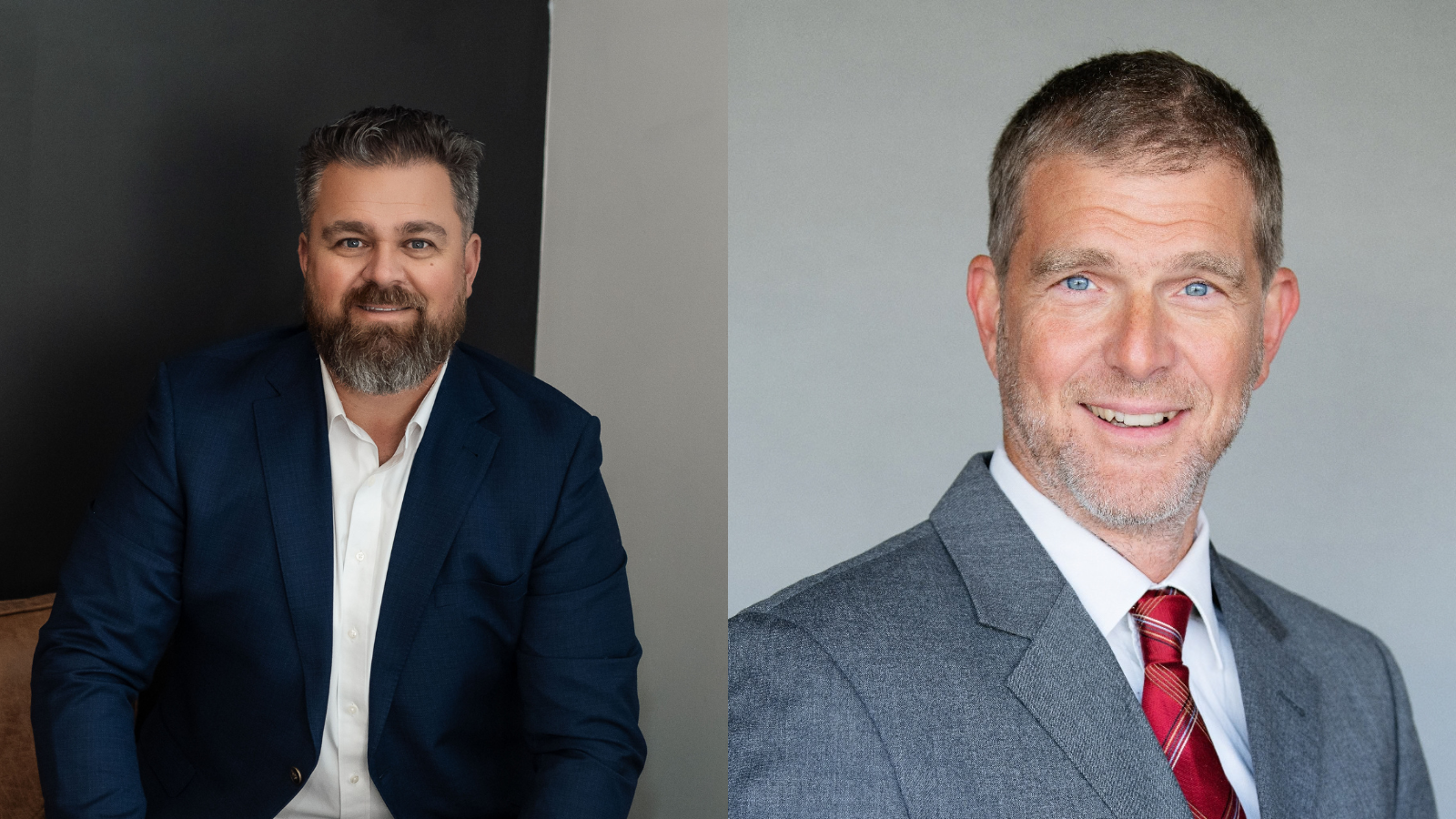
Simplified: District 2's lone state senate seat has already been decided as Sen. John Sjaarda will return to Pierre unopposed and in a new chamber. But, the district – which covers eastern Sioux Falls to the Minnesota border and north of the Iowa border – has three men vying to represent its people in two open seats in the South Dakota House of Representatives.
What to expect
- This (extremely long) article will introduce you to all of the candidates running to represent District 2.
- All candidates answered the same slate of questions – compiled with input from Sioux Falls Simplified readers – which should allow you to easily compare and find the candidates that most closely align with your personal political views.
- Topics include:
- Data centers
- Education funding
- School choice
- Childcare
- Property taxes
- State budget
- Medicaid expansion
- Elections
- Open primaries
- Economic development
- Criminal justice
- And transparency
- Topics include:
- Candidates spoke directly to Sioux Falls Simplified in face-to-face interviews that were then transcribed and summarized. No candidates had access to the questions ahead of time.
- This careful methodology ensures that no candidate could rely on artificial intelligence or other third-party resources to craft their responses – something only guaranteed by a conversation.
Meet the candidates
Candidates are listed in alphabetical order and then rotating throughout the Q&A.
Adam Long
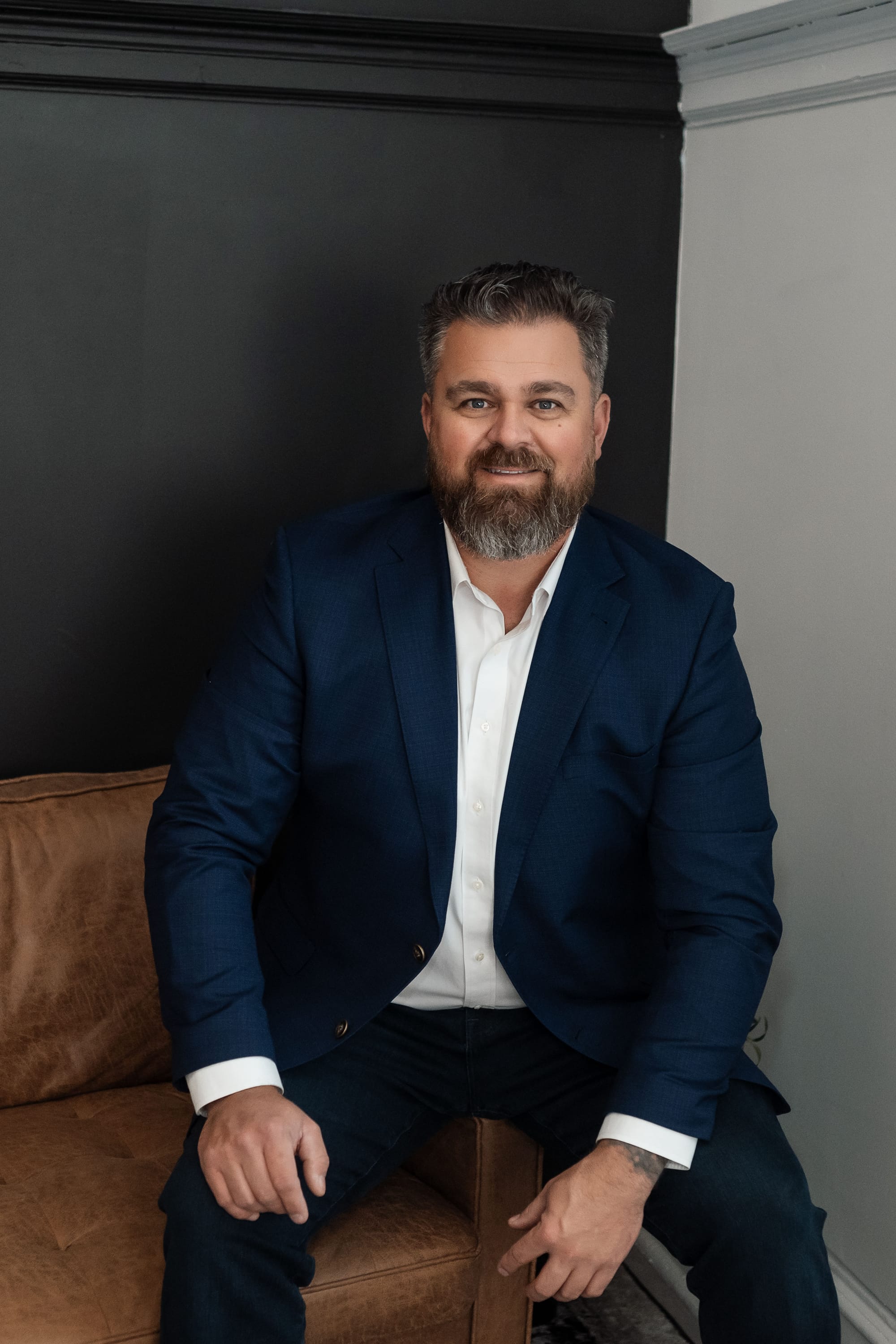
- Age: 43
- Occupation: Self-employed
- Why are you running for this office?
- "I wasn't a real political person – I spent most of my career in public service in the military. It wasn't really until I got into small business where some of the government decisions affected things.
- "I also have four young children ... my job as a father is not only to provide and protect and do things for them today – it's also to provide a future for them and let them see something they can thrive in – no different than what I had.
- "If I am willing to complain about something, then I also need to be willing to, in some way, support or make the change."
Manuel Luschas
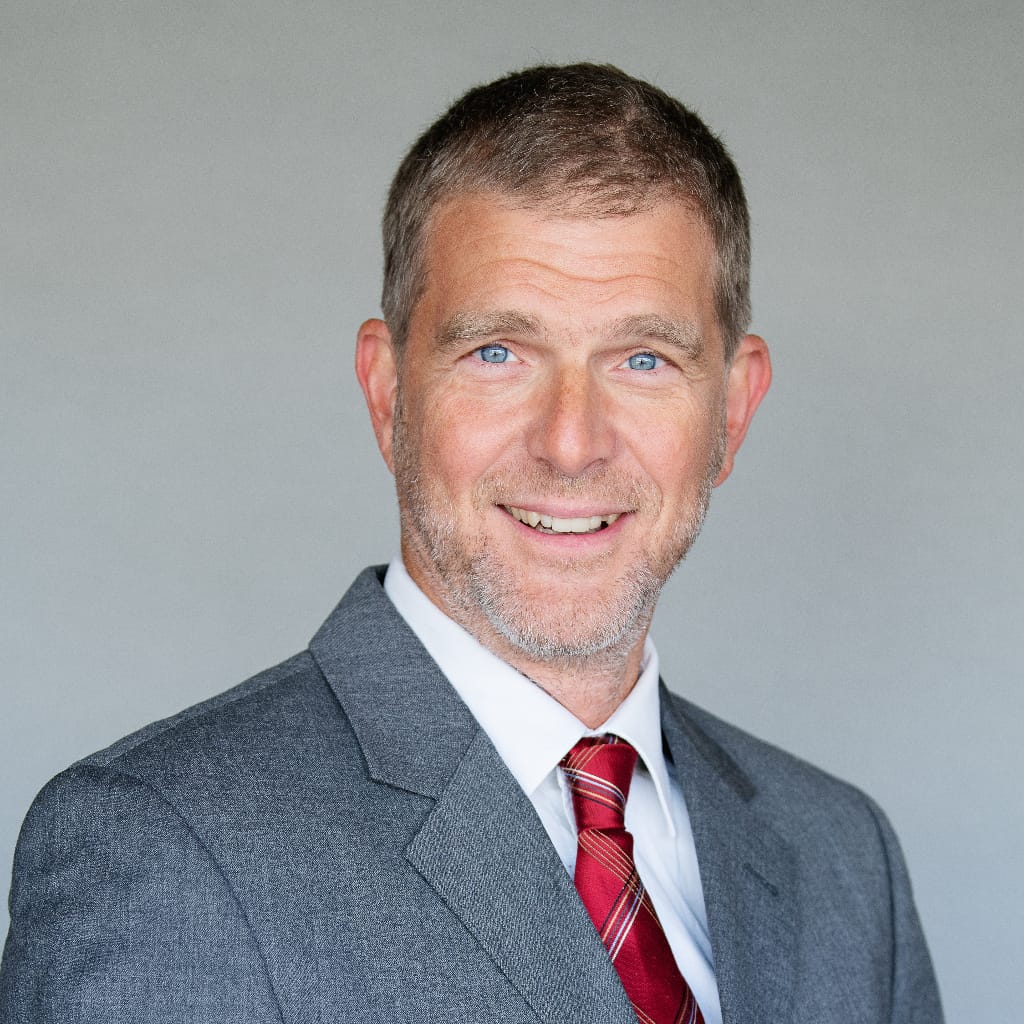
- Age: 54
- Occupation: Part-time engineer, part-time farmer
- Why are you running for this office?
- Luschas said he immigrated to the U.S. from Germany in 2003 and spent much of the last two decades living in California. In 2020, he and his family moved to South Dakota.
- "We just wanted to live a free and inspired life," he said. "At the time, the Brandon Valley School District was the only school district we could find that advertised online that they'd be open without restrictions, without any shenanigans. We came out here, rented a place sight unseen and started our life over."
- "That is the reason why I'm running. We have round a very good community here, but on the other hand we see that similar things that were happening in California while we were living there ... We didn't stand up while living in California because we were living a good life, had good careers. This time around, we decided we've got to do something. We need to stand up and try to keep life as good as it can be here."
Blake Rife
Rife did not respond to multiple emails and phone calls requesting an interview.
Here's how the District 2 candidates responded to a variety of policy questions
Answers are edited for clarity and length.
DATA CENTERS
What are your priorities when it comes to data centers in South Dakota? Do you support data centers, and if so, what, if any, limitations would you put to protect residents from negative impacts?
Long: "It has been a hot topic ... Where I’m at right now and where I stand with data centers is that we need to slow down and we need to truly look at the way opportunities present themselves sand how that's going to affect us.
- Long also said he wants the state to be strategic, and he's not against data centers, but he's not in favor of giving companies any tax breaks for building them. He also noted that he wants to have protections for water usage.
- "If we have the environment and the space they need and want, then we have that. We shouldn't have to beg them or give them big blank checks to come."
Luschas: "No, I don't support them because I don't think we need them here. I would like to see a moratorium in teh next legislative session ... I don't really see the need for these big hyperscale data centers to come to South Dakota, and especially not to come to the City of Sioux Falls."
Rife: Could not be reached for comment.
EDUCATION FUNDING
South Dakota for years has given public schools less funding than required under state law. How big of a priority are public schools and ensuring they’re adequately funded?
Luschas cited the state constitution's requirement that the state provide public education – "that should be a big commitment," he said, adding that he's been "in awe" of South Dakota's education system.
- "I think from what I see right now, funding is not an issue," he said. "I think they are adequately funded. Do we want to take the funding away from them? No, obviously, of course not. I wouldn't take anything away, but I also have a hard time believing they need a lot more additional funds."
Rife: Could not be reached for comment.
Long: "I’m 100% for the funding of our public schools."
- Long said he's impressed with the Brandon Valley School District and what they've been able to accomplish – particularly the new elementary school that opened this fall.
- "We want more money at the schools, but at the same time we want less taxes, and we literally will have people voice that in the same sentence. We cant have both. The only way we can have both is if we truly buckle down on budgets if we truly look out more into the future, better planning."
SCHOOL CHOICE
Do you support using tax dollars to subsidize private schooling, homeschooling or other school choice initiatives?
Rife: Could not be reached for comment.
Long: "I'm not for that. I’ve seen multiple methods shown to me with vouchers and different things, and at this point I haven't seen anything that would make sense to keep the public schools thriving and do that. Right now nothing's been shown to me that makes sense."
Luschas: "No. I support the choice by itself – people should have choices of what they want to do. But they always have the option to go to public school, so I think public school should be funded by the taxpayer.
- "If people want to do something else, that's their personal choice, and they have to fund it with their personal funds."
CHILDCARE/AFTER-SCHOOL CARE
Do you support using state funds toward preschool/afterschool care and/or childcare?
Long: "This is a tough one. I think unless we’re going to change the public education status of what that looks like and what is needed then I don't think that's necessarily for the tax dollars."
- Long said he's a proponent of those programs in general and would support assistance via need-based application, but not if it means someone is approved and stays approved for support indefinitely.
- "I always want to be encouraging that family to be bettering themselves and getting to the point where they can afford those practices. When something is given to them, they don't find the need to figure out how to do that on their own.
- "I do ultimately want each kid to be able to have those experiences, but I think that is the job of the parent to do everything they can for their kids."
Luschas: "That's a good question. I'd say, partially, yes. ...
- "We want to encourage people to participate productively in the workforce, so I would favor an approach where we look at the income levels of families and, according to that, we subsidize their costs for preschool or childcare."
Rife: Could not be reached for comment.
PROPERTY TAXES
Are property taxes a problem in South Dakota? And how do you weigh the needs of the taxpayers with the needs of local governments to provide essential services?
Luschas: "From what I heard on the campaign trail, yes, property taxes are a big problem. That was the number one issue that was mentioned by people I talked to at the door.
- "From a funding perspective, property tax mostly goes to fund schools around here. I think in the grand scheme of things, we seem to be OK with the level that we're funding them at right now.
- "I would be in favor of capping valuations or turning the mil levy down to alleviate that pressure on demographics in the population."
Rife: Could not be reached for comment.
Long: "This is my bread and butter. This is what I like.
- "The thing with property taxes is, yes, they're too high, and we’re increasing them to be able to supplement areas that are shorted right now or they feels shorted. But, again, going back to that how much tax dollars do we actually need?
- "We don't actually know because we've never run a tight enough budget to actually even know what is truly required of (the state) to run a sufficient and efficient area in the government."
BUDGET
As in any budget scenario, the needs and wants of South Dakotans are greater than what the state spends on helping them. What’s your philosophy when it comes to the state budget, the amount of money in reserves and who should benefit from the tax dollars we all pay?
Rife: Could not be reached for comment.
Long: "I understand there's inflation and things like that, but that's always interesting to me that our taxes have gone up quite a bit, but people's lives havent changed.
- "That's what taxes should do is effecting positively the people who are paying in. We absolutely have to get back on a real budget to truly understand what it costs to run our state to run our cities.
- "There's just so much stuff that we’re wasting money on that we're not going to know until we do a zero based budget."
Luschas: "My family calls me El Cheap-o, so, I don't like to spend money ... I think state government should be run in a similar fashion.
- "Yes, you have expenses that you need to meet, but you should not every year go out and find new projects that you want to put your money in. You should really be frugal with the tax dollars people entrust to you, and you should make an effort to keep your spending to a minimum and save as much as you can.
- "I'm not in favor of these pet projects – there needs to be real hardship or real needs documented."
MEDICAID
South Dakota voters supported medicaid expansion in 2023 – Do you think they made the right choice? How will/will you support ongoing access to healthcare for vulnerable residents and ensuring providers are adequately funded?
Long: "I obviously want everyone to be able to get medical care. I want it to be accessible. I want it to be quality. I want there to be providers.
- "But the other side of that isthat we have to be very cautious about putting too much government money into the healthcare system ... I don't want our healthcare to become government healthcare," Long said, noting that he's experienced VA healthcare as a veteran and that the standard of care there is "not where it should be ... because there's so much red tape."
Luschas: "That's a tough question ... looking at the state budget, I don't think so.
- "Because if you look at the last state budget, medicaid has exploded, and the cost for those programs have exploded significantly. ... I don't think that was necessarily anticipated by the population that voted for it, nor by the legislators that have to deal with it now.
- "How do we ensure adequate access for vulnerable populations – I’m not an expert there. I cannot really speak to that and need to educate myself more in that field. But I think the way that it's currently funded is way out there, and we need to dial that back somehow."
Rife: Could not be reached for comment.
ELECTIONS
What, if any, changes do you want to see the state make when it comes to absentee voting, voter registration, voter ID laws and elections in general?
Luschas: "Overall I have to say, I think this time around Minnehaha County did really well. ... Is everything OK with how we do elections? No, probably we can always improve and make it better, but again, if I look at the outside world what other counties and states do, I think we're in a better position.
- "The voter ID requirements are more stringent now, so it is harder to cheat on voter registration and all that stuff."
Rife: Could not be reached for comment.
Long: "The first one is we’ve seen a lot of people switching back and forth between Republicans and Democrats and changing their registration. I'm OK with people changing their registration – that's their right, but I do think that at some point it gets a little silly where they have the ability to change it so much they can vote throughout the election process and primaries.
- "I would be for having some type of a law saying (voter registration) can be changed once a year."
- Long said he's also "100% for" voter ID laws and wants to see a push for more in-person voting.
OPEN PRIMARIES
Is it time for open primaries in South Dakota?
Rife: Could not be reached for comment.
Long: "I'm not for that. I do think the separation is good. I'm not saying that it's a perfect system, either – I think there's always room that we can improve."
Luschas: "I don't think so."
ECONOMIC DEVELOPMENT
How does economic development factor into your list of policy priorities? What role do you think the state should play in supporting existing businesses and attracting new businesses/industries?
Long: "We need to have the government step back a lot more than what they've pushed forward in economic development. We've gotten to the point in government that we know better and that we're gonna pick the winners and losers within business. I don't think it's worked for us.
- Long noted that the state has seen economic incentives to go foreign companies and multi-billion dollar companies whose workers qualify for government assistance because the pay is so low.
- "That doesn't make sense to me."
Luschas: "I think the state government's role should be a big fat zero. I think if we want to claim that we're a free market economy, we need to let the market play out.
- Luschas also said he doesn't want to see the state giving tax breaks to some businesses and play the field toward "favorite players." He likened that behavior to socialism.
Rife: Could not be reached for comment.
CRIMINAL JUSTICE
What policies do you want to see enacted to support re-entry and reduce recidivism – especially in light of the new prison being built in Sioux Falls?
Luschas: "I have not had any personal experience with this, so, again, I’m not an expert on this topic. But I agree with the opinions that I've heard that we need to have better programs in the penitentiary to help people get on their feet again."
Rife: Could not be reached for comment.
Long: "Thank you for asking that question. I am a huge proponent of, we've got to quit focusing on how much money we're spending on buildings. The reality is when we got this prison bill put thru one of the biggest thing we kept pushing. Recidivism is out of control. Parole programs are out of control.
- "We need to get a purpose back into these people's lives. Many have been put behind bars before they even had a purpose in their lives
- "When people have a purpose, people tend to do well. They wake up in the morning with a purpose-driven mentality, which is very different than waking up not knowing what they're going to do that day."
TRANSPARENCY
How do you plan to seek input from your constituents? What’s the best way for people to reach you with their feedback?
Rife: Could not be reached for comment.
Long: "First thing I'm going to do is every day I leave the Pierre floor is I'm going to go Facebook live. It's just one thing I can do to be able to give people an opportunity to know exactly what went on that day. ...
- "I am a communicator. It's what I do. I love to talk to people. I’m passionate about it, and I want people to know what going on. I want people to understand it, because I was one of them at one point – I didn't understand it. I had my head in the sand and, too many things happened that I wouldn't have gone for. I believe that to be the case for many.
- "I've been nothing but 100% transparent, i’ll continue to do that. My cell phone is available on my site. People can call me or text me."
Luschas: "I want to be a representative of my constituents here in District 2. I've made that very clear to the members of the district that I've talked to so far that they can reach out any time to me.
- "What is special, I guess, about my campaign is that I refuse, and I will keep refusing to be on social media. ... We have a website. Everything is gonna be put there. That's how people will be able to reach me."
What happens next?
Election Day is Nov. 3.
You can check your voter registration on the Secretary of State's voter information portal. The voter registration deadline is Oct. 19.