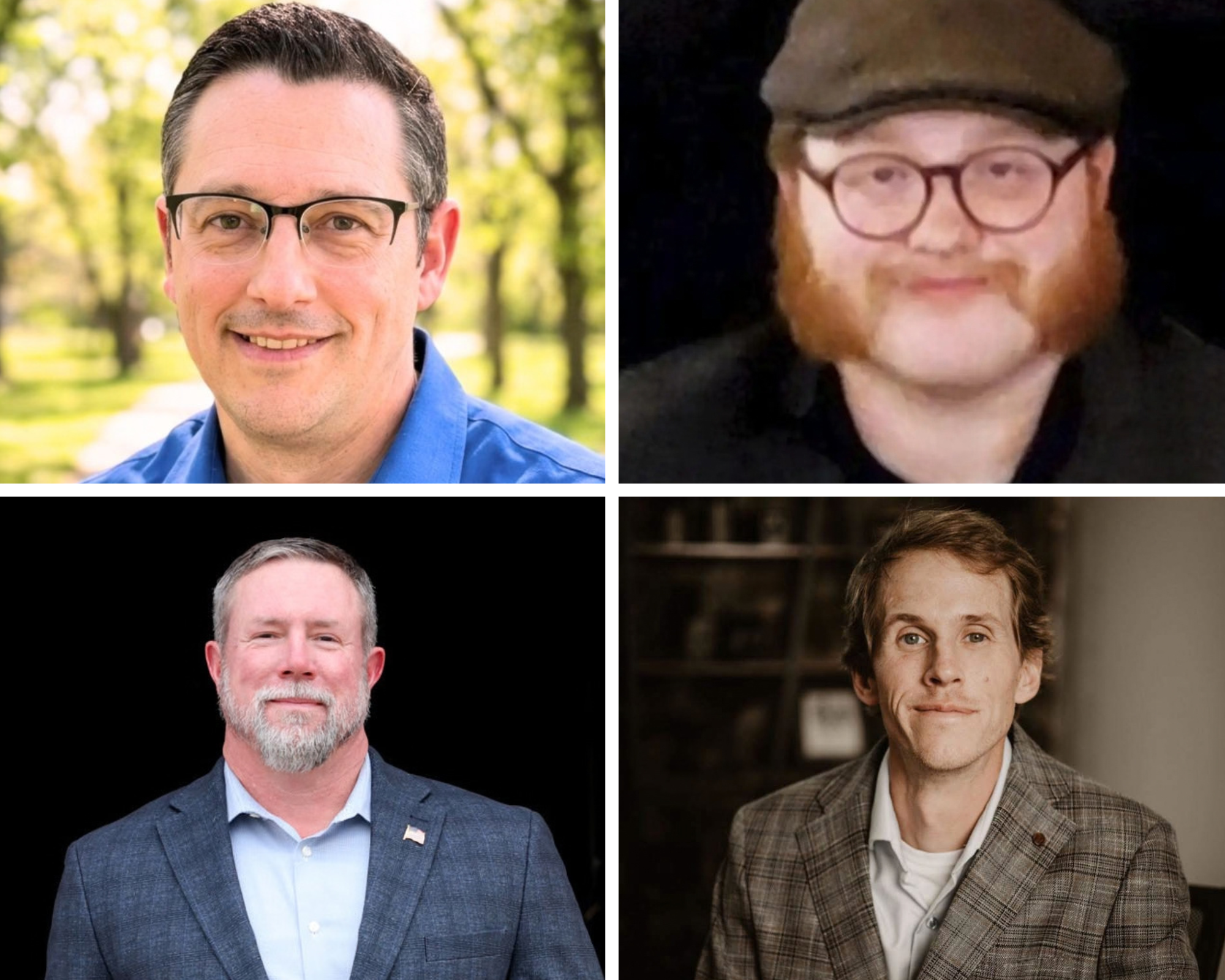
Editor's note: This is one in a series of voter guides ahead of the Nov. 3 election. To find your district, you can type your address into this interactive map on the state legislature's website.
Simplified: District 6's lone senate seat has already been decided, as Ernie Otten will return to Pierre unopposed. But there's a full slate of candidates vying for the two open seats in the South Dakota House of Representatives – including two democratic candidates and two Republican candidates.
What to expect
- This (extremely long) article will introduce you to all of the candidates running to represent District 6.
- All candidates answered the same slate of questions – compiled with input from Sioux Falls Simplified readers – which should allow you to easily compare and find the candidates that most closely align with your personal political views.
- Topics include:
- Data centers
- Education funding
- School choice
- Childcare
- Property taxes
- State budget
- Medicaid expansion
- Elections
- Open primaries
- Economic development
- Criminal justice
- And transparency
- Topics include:
- Candidates spoke directly to Sioux Falls Simplified in face-to-face interviews that were then transcribed and summarized. No candidates had access to the questions ahead of time, and party affiliations aren't emphasized in this coverage to leave room for open-minded comparison of the candidates.
- This careful methodology ensures that no candidate could rely on artificial intelligence or other third-party resources to craft their responses – something only guaranteed by a conversation.
- In many of the districts covered in this guide, Sioux Falls Simplified is the only local news outlet committed to face-to-face interviews. (So share this far and wide if you find it helpful!)
Ok, enough preamble, let's get you informed:
Meet the candidates
Candidates are listed in alphabetical order and then rotating throughout the Q&A.
Garret M. Campbell
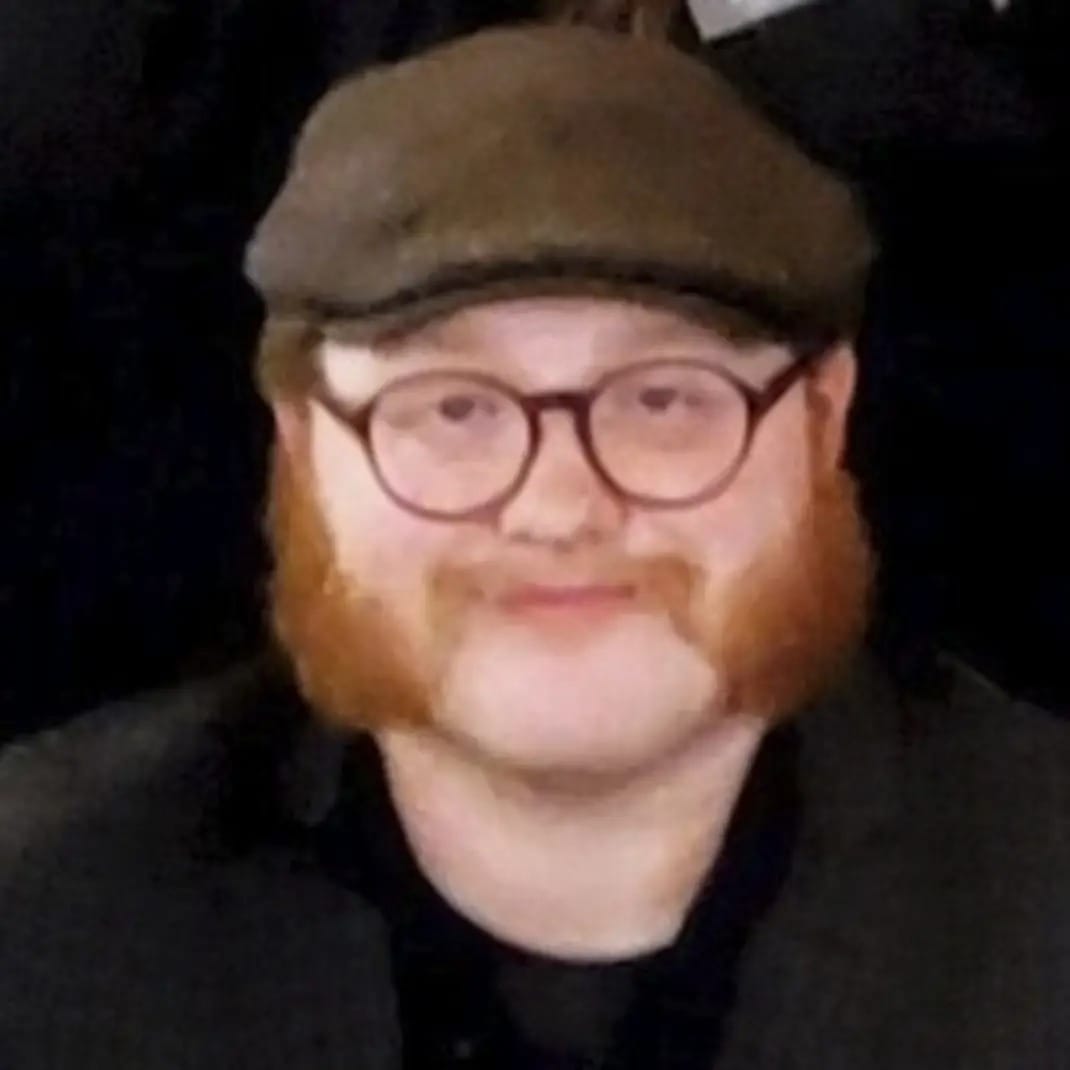
- Age: 25
- Occupation: Machine operator
- Why are you running for this office?
- Campbell's platform includes lowering housing costs, capping pharmaceutical prices, and protecting disability and veterans benefits.
- "I'm also trying to catalogue all the issues people have with state and local government."
Jerry Jongeling
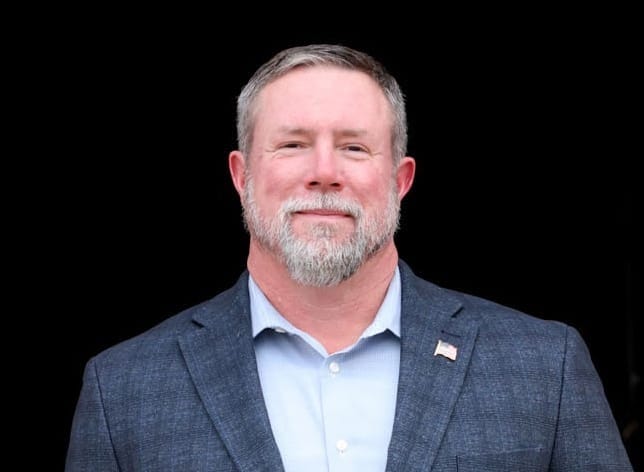
- Age: 50
- Occupation: Light and power superintendent for the City of Sioux Falls
- Why are you running for this office?
- "The real reason is I just want to help," Jongeling said, adding that his journey to running for office started when he bought an old barn property outside of Tea.
- He was concerned about drainage and reached out to the county. Soon after, he joined the county planning commission.
- "I really can see how an agency can make a difference ... I'm hoping I can make a difference to Lincoln County."
Elliott Neff
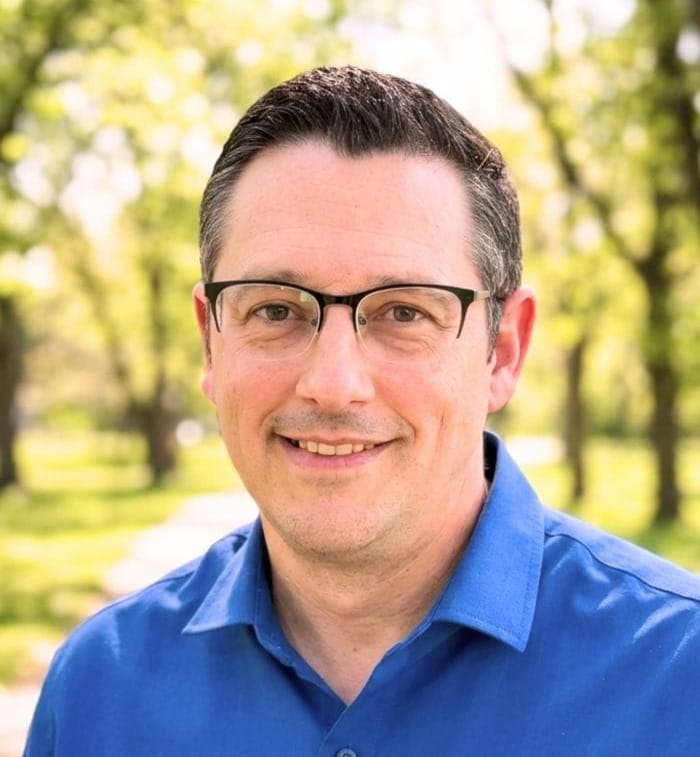
- Age: 49
- Occupation: Founder and owner of Chess4Life
- Why are you running for this office?
- Neff and his family moved to Sioux Falls from Washington State during the pandemic because he saw South Dakota as a place that prioritized personal freedom over the "government making you safe." As a National Master in chess, he also said problem solving is key.
- "We want to see South Dakota remain free and a good opportunity for our kids and our community."
- Neff also said he saw taxes go up in Washington – sales tax nearly doubled in his 30 years there, an income tax was instituted, and it was a "slow march."
- "I don't want to see that happen here in South Dakota."
Austin Wolf
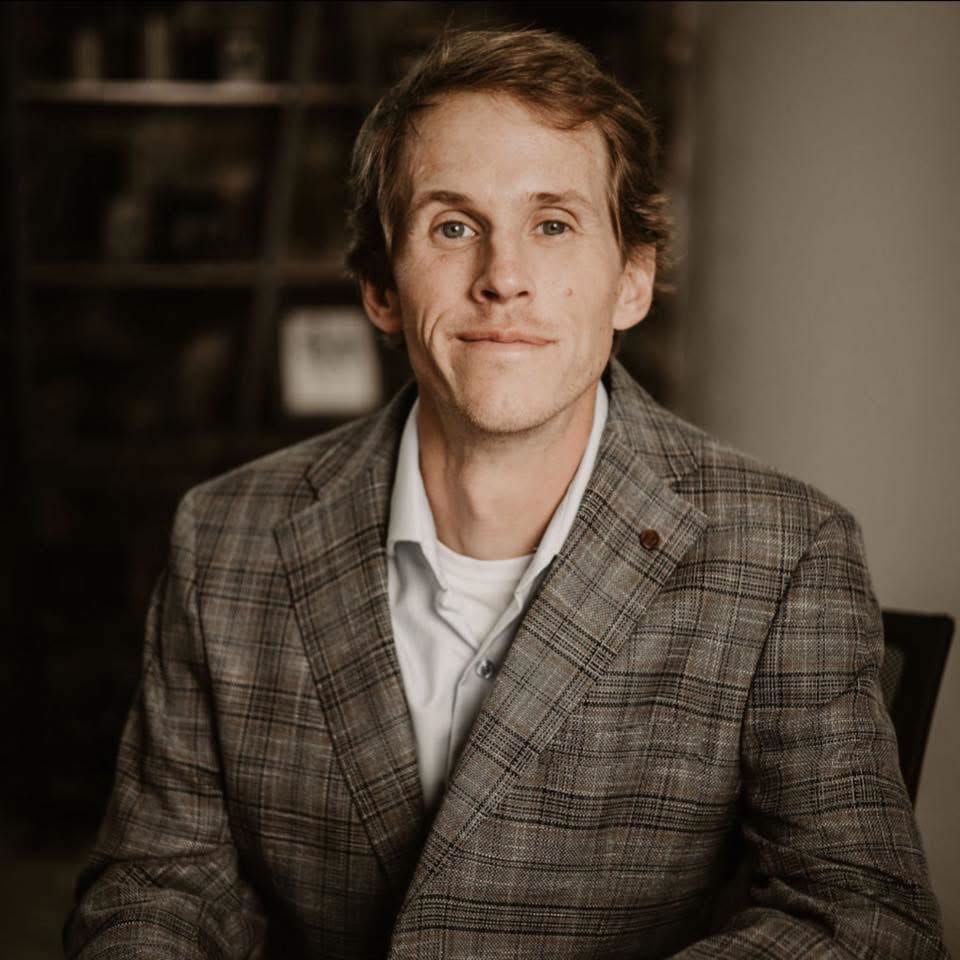
- Age: 39
- Occupation: Plumber
- Why are you running for this office?
- Wolf recalled meeting candidate Garret Campbell at a 2024 election watch party and telling him, "I voted for you today," and then realizing how strange it was to vote somebody based on the letter by his name without really knowing him.
- "On a national stage you know what (elected officials) are all about, but these local representatives that have so much control over our lives – you don't know anything about. ... People need to vote for person over party. There's a lot of this 'letter' stuff going on, and I was guilty of that most of my life ... I
- "This is a time in our politics when were really at a crossroads, and we need more normal people to step up. We all know property taxes are high, but where's the accountability for 30 years of Republican control that got us here. It's a lot of talking and not enough people doing."
Here's how the District 6 candidates responded to a variety of policy questions
Answers are edited for clarity and length.
DATA CENTERS
What are your priorities when it comes to data centers in South Dakota? Do you support data centers, and if so, what, if any, limitations would you put to protect residents from negative impacts?
Campbell: "I do not support data centers coming here – simple as that.
- "I’ve looked at other states that have had this, and it looks like the local areas they come to just get a lot of negative stuff. "
Jongeling: "Data centers – I look at just as any business that would want to come into Lincoln County. It could be a cheese plant, it could be meat processing, it could be a data center. My main concern is the resources a business would use.
- "Is it the right fit for the county? A data center might work in the middle of nowhere. I don't feel it necessarily works for Lincoln County. Our population is just too dense for that."
- Jongeling also noted the process and the various stages of government oversight and public input that would occur before a data center was approved in Lincoln County.
Neff: "I don't know that I'm knowledgable enough to say yes or no on that topic."
- Neff also said he wants to look at all angles on the topic – including who benefits, what are the long-term consequences, etc.
- "I think we need to be very careful making any decision that has a long-term commitment and burden upon the taxpayers when we're in a space where technology is changing extremely rapidly."
Wolf noted that he was one of the candidates in the democratic caucus who signed onto a data center accountability pledge.
- "What we’re talking about is a moratorium. We want a year to study it like other places are doing. ... I've seen places where this has been beneficial for communities – I don't know if it would be here and would want to study it more.
- "I do see the benefits. If it's done right, it can benefit the community. But I don't know if it's necessarily right for our community, and I'm good putting the brakes on it."
EDUCATION FUNDING
South Dakota for years has given public schools less funding than required under state law. How big of a priority are public schools and ensuring they’re adequately funded?
Jongeling: "I have to admit that's not my top expertise, but with that said, our kids are the future of everything."
- Jongeling also noted that kids need to be able to have proper nutrition, and teachers need to get paid for the hard work they do.
Neff: "I work with many public schools locally and nationally. In the legislature, we've got a job to do, and ensuring that we are following the laws. ...
- "I've not looked into all of these different current laws as to what's what, what's good, what's not. I'm not an expert on this topic. However, I believe that education of our kids, obviously, is very important. We home-school ours by choice. I was home-schooled. I was grateful for that opportunity."
Wolf noted the fast growth in the Harrisburg School District where his 7-year-old daughter goes to school, and where he's seen several new schools built in recent years.
- "I don't like teacher pay being as low as it is," he said. "I think it's embarrassing that we’re as low as we are ... I think (schools) are desperate for proper funding. Part of that is getting good planning to understand why we're missing the mark so much on the population of these kids.
- "Why aren't we able to project out enough to see what we’re doing in 10 years? We’re not the first place in America to grow this fast and experience this. We can study what worked in other areas. ... It's critical to me – I want to keep our schools the best."
Campbell: "Public schools have been a priority for me. We have a high property tax specifically for schools. I know people want lower property tax around here, but I want our state government to give more for that so that locally the people here don't have to give as much.
- "I want (state government) to up their share so we can down our share so overall there is more funding there."
- Campbell also cited legalizing recreational marijuana as a potential revenue source.
SCHOOL CHOICE
Do you support using tax dollars to subsidize private schooling, homeschooling or other school choice initiatives?
Neff: "I do believe that if we are paying tax dollars, I think parents should have the choice of where they educate. That's freedom. That's their choice.
- "Should the dollars that they're paying for education be 100% only in the public school setting as opposed to something that supports the parents' choice of education? I lean more even towards the freedoms I like – how much should government even be involved in directing our education?
- "It seems to me that the public schools currently are paid by our local tax dollars and provide some benefit to non-attendees. It's a facility they could utilize. There are programs they could do. So, is it an all or nothing? No.
- "But I think when a parent pays taxes, that are going to something that is not truly benefiting them, I think that can and should be considered."
Wolf: "Before we talk about private schools, we have to make sure public schools have what they need.
- "South Dakota is not Chicago. We're not a big municipality where a lot of people can afford to go to private school. And the ones that can – they have that option here.
- "I agree that parents should have some direction and some say in what their kids are taught, but I have full faith in the public school system we have in South Dakota. I don't think pumping money into private schools is the way to go."
Campbell: "Not really, I’m not a big fan of private schools. I’m fine if you want to do it, but just don’t take too much of the state’s money and the people’s tax dollars and put it to private schools."
Jongeling: "As long as it doesn't take away from public education."
CHILDCARE/AFTER-SCHOOL CARE
Do you support using state funds toward preschool/afterschool care and/or childcare?
Wolf: "I do. I pay $410 for a week of daycare. (I would support) some type of subsidy – something that we can do to ease the pain on those parents.
- "We need to find a way to make it easier for people to start a daycare business and a way to get that cost down. It's an incredibly expensive venture to run. I think the state needs to make it easier."
Campbell: "Absolutely. Childcare is actually the fourth place thing I hear when I ask people what their big, important issues are."
Jongeling: "That's not a question I've thought of before. I know the government needs to have a role in helping with daycare and preschool and whatnot.
- "Whether funding it is the right answer, I am not sure. I know we can help guide. We can help support. On the funding thing, you really have to see where our state budgets at and what's brought forward."
Neff: "I don't. I don't believe that is the job of stat.e I don't personally, on the principles of freedom, believe that it is the job of government to be taking care of us."
PROPERTY TAXES
Are property taxes a problem in South Dakota? And how do you weigh the needs of the taxpayers with the needs of local governments to provide essential services?
Campbell: "In Lincoln County, absolutely. I can't say for anywhere else in South Dakota.
- "There's a couple thing we could do about it. We could shift around the tax burden, increase sales tax, legalize marijuana and tax the hell out of that.
- "I know people don't want a higher grocery tax, but we could do a sin tax. I’m all for lowering property taxes and raising something else to replace it.
- "We could also just slow our roll on growth over here because we’re growing pretty quick. We're growing too fast for people locally."
Jongeling: "I know they did a lot of good work here last session. It's not going to be fixed with one bill or two bills. It's going to be an ongoing problem that we have to keep addressing every year, fine-tune and whatnot.
- "I would like to see what comes out of last session, how that works, before implementing anything different. ... The number one thing we need to support are our bridges and our roads
- "We can't keep kicking that can down the road. I know property taxes are a priority, and I'd really like to see how these latest measures affect the county."
Neff: "I don't have the specific charts in front of me, but my understanding was that we have one of the highest rates in the country. Now, is that correct? I've got to double check. It doesn't mean the amount paid is the highest because of where we live, but if the rate is already so high, that seems like a challenge.
- "Now, how do you fix it? Well, that's easier said than done, right? Because sometimes if you have a wound, the first step isn't to cure. The first step is to stop the bleeding. So, to me, there's incremental steps that need to be taken. But should taxes go up? From the outside before I'm looking into all the detailsI would say absolutely not. Let's learn to live with what we have. Number two, what can we do to reduce? Let's identify the waste where it can be found."
Wolf acknowledged that property taxes are a problem – sharing an example of a person who is struggling to pay $500/month in property taxes on a property they inherited.
- "I hear a lot of people talking about different ideas, and none of them that I've heard have been very feasible," he added, citing a proposal he heard to raise traffic fines to offset property taxes.
- "We have to come up with something, whether it's sales tax, income tax – it has to be something real. We have to have a real solution to this, not raising traffic fines or things like that."
BUDGET
As in any budget scenario, the needs and wants of South Dakotans are greater than what the state spends on helping them. What’s your philosophy when it comes to the state budget, the amount of money in reserves and who should benefit from the tax dollars we all pay?
Jongeling: "I love how we have our constitution resolution to have a balanced budget. Going in debt is never a way in your personal household or whatever.
- "That said, it's really hard to manage everyone with their hands out asking for (money) and taking care of our needs. Our road, infrastructure, education, healthcare – those have to remain our top priorities.
- "We always have to look at any new programs that come in, and ask is it worth taking away from the old programs for something new."
Neff: "In many ways, government is a cancer. Maybe it's a necessary evil, shall we call it? It was set up with checks and balances for a reason, and I think those are very necessary, and I think the lack of transparency and accountability in what often happens is an issue."
- Neff said his approach is looking at what the government can get out of rather than what the government can get into. He also wants to see more citizens sharing their input, and added that his 30 years of business experience in various industries will help him apply complex problem-solving skills to the budget process.
Wolf: "I consider myself a conservative. I'm a plumbing contractor, and I understand budgeting from that sense.
- "To me the state had a good surplus going for awhile, and we blew through that really fast. I think the people who need to benefit from the taxpayer money are the people that need it the most: the disabled, people that are hard up.
- "I understand there are some people who abuse the system, but I personally know people who despeartaley need it. I do consider myself pretty conservative, financially. I would like to see the state save."
Campbell: "The majority of the budget should go back to the people or help the people in some way, shape or form."
- Campbell also cited priorities of paying state employees, keeping up with infrastructure and maintaining reserves.
- "We could have another dust bowl next year, you never know. I'm not against having a surplus and having that money in reserve in case we have a local disaster."
MEDICAID
South Dakota voters supported medicaid expansion in 2023 – Do you think they made the right choice? How will/will you support ongoing access to healthcare for vulnerable residents and ensuring providers are adequately funded?
Neff: "In the short term, it made a lot of financial sense, because you've got such a major federal dollars supporting this. Well, what if those dry up? What if that changes? Then you have a position where you're now stuck with a major bill, and now the taxes are half to fund your commitments. Is that sustainable? Is that what we want? So, I don't know that those questions were fully vetted back when it was passed in the first place. And now we are stuck with that, and what are we gonna do about it – so, this is this is a tough issue."
Wolf: "I do think they made the right choice. ... Any time the voters speak, that's the answer.
- "A big part is just holding people accountable. Finding funding for those types of things – it comes down to accountability. It's all in how we appropriate these things."
Campbell: "I do believe they made the right choice – whatever choice they made is the right choice, but in this case I have heard people who are afraid their benefits might disappear.
- "My idea for protecting that sort of stuff is a trigger law–if it disappears federally, I want to make sure locally we make our own local similar thing to what was there federally if it disappears."
Jongeling: "Again, I've got to be honest with you, that's not a topic I did follow. I'm more of an engineering/infrastructure type of person.
- If that's what was voted on, you have to respect the voters. I'd have to look at every part of it to give you a complete answer, but if that's what's voted on you have to respect the voters."
ELECTIONS
What, if any, changes do you want to see the state make when it comes to absentee voting, voter registration, voter ID laws and elections in general?
Wolf: "This is easy. I think elections are secure. ... I think we need to expand absentee voting. With a rural state, mail-in voting is very important.
- "I think voting is secure, but I think we need to make it easier for people, not trying to make it harder. You want as many people voting as you can."
Campbell: "Honestly, I should be paying closer attention to that part."
- Campbell said he wants to ensure absentee ballots are counted, and perhaps if election staff see an issue, they could contact the voter to come fix their ballot.
- "If it's a blowout and the amount of people who are in that small section of absentees screwed over by bureaucracy, then fine – for speed and budget we can ignore that. But if it is close enough, we have a due diligence to people to make sure we can actually have them vote."
Jongeling: "I think we do have to make sure our election officials have the resources they need to do an accurate audit of the ballots and whatnot. I think we do have to have IDs in order to vote – you have to be a U.S. citizen.
Neff: "It sounds like a broken record to say that I'm not here with all the answers – I'm not. My principle – let's start with the basics – voter ID. If you can't go to Costco without your ID, you really shouldn't be able to vote without ID."
- Neff said he also thinks it's "egregious" that votes in California can't be counted for weeks, and he said he'd like to approach all questions around elections with the question of: "is the proposed solution going to be more transparent and accountable or less so?"
OPEN PRIMARIES
Is it time for open primaries in South Dakota?
Campbell: "I believe so, yes, but I know legality wise that is a question for the Republican primary to answer on their end. For the Democrats, it is open. I believe (Republicans) should have it open, but that is something their party can decide on their own."
Jongeling: "That’s a great question. I don't have an opinion on that one way or another.
- "I see both sides. I honestly do see both sides of it. I think we have working system right now, and I think we keep going with the system we have."
Neff: "I woud love to hear why those are necessary – what is the purpose for doing it?
- "We saw people change party in order to vote in another primary which could be as strategic move to say maybe we could win a race. There's all those kinds of issues.
- "I can't say I’m a fan of open primaries – neither can I say I’ve spoken deeply with people about the topic. On the surface, it does not seem to me to be a good idea."
Wolf: "I do think it is – especially with what we just went through. Watching so many Democrats register as Republicans and then swing back – that's not the way the system's supposed to work.
- "I’m really big on person over party. I’m really pushing listen to person over party, and let's see what the people are saying."
ECONOMIC DEVELOPMENT
How does economic development factor into your list of policy priorities? What role do you think the state should play in supporting existing businesses and attracting new businesses/industries?
Jongeling: "I do like the fact that South Dakota attracts businesses to the state. More property tax and more business that comes in, it does help our property tax and our tax revenue for the state.
- "If we can bring in a bigger company, that can bring great tax dollars in – if it's the right fit, I’m for that.
- "On the other hand though, our economic development dollars should help grow our current businesses. ... I like to look at how we can help the ag community with our economic development and not necessarily the larger companies ... Maybe there's an opportunity for economic development to help farmers and young people."
Neff: "What attracted us (to South Dakota) was not handouts was not incentives, none of those things – what attracted us was freedom.
- "I think the more government gets involved in things, the less freedom you end up with, so I don't believe government should be involved in this. Is it government's job to grow businesses? Or is that becoming special interests at play?"
Wolf: "Economic development down here is a good thing, but I think we need to understand who its benefitting.
- "Infrastructure’s a big thing to me. I value our water system here. One thing I hear a lot about at the doors is how bad the traffic is getting and the roundabouts in Harrisburg that people don't like. I think we need to have better planing and better public input.
- "We need to plan better and see ahead. You have to have an overall view of the project and everything that's going on so that you can get a birds-eye view and understand what's coming."
Campbell: "People need to be paid better – it's as simple as that. We are in a cost of living crisis, and we need to make programs that allow people to get paid better and also doesn't spook the businesses too hard that they start to leave.
- "There's a couple ways we can go about it. We can go a little above inflation (on raising minimum wage), or incentivize companies to pay their workers better.
- "That's going to be a lot of nickel and diming on my end and having to crunch numbers and figure out tax breaks."
CRIMINAL JUSTICE
What policies do you want to see enacted to support re-entry and reduce recidivism – especially in light of the new prison being built in Sioux Falls?
Neff: "I don't have a quick answer on this one," Neff said, detailing work he's done with incarcerated youth to help them learn problem-solving through the game of chess.
- "It’s a very difficult question because I believe America was also founded with a very strong moral foundation of which w'eve lost a lot of that. And if you don't have a moral compass how is freedom possible without a moral foundation?"
- "I have a heart for all people because I believe every person was created in the image of God. At the same time, what is the role of government? ... I don't believe we want a place where government is what we have seen in totalitarian countries – the be all and end all."
Wolf: "I have a soft spot in my heart for people that have been through addiction. I know there's people that can survive that, and they deserve a foot back into society.
- "I know a lot of people I put to work, sometimes they need more support. ... I think it's really important to give people a second chance, and any opportunity we can get to do that, I'm for that."
Campbell said he wants to see a vocational program that gives incarcerated people important skills that can be used in day-to-day life and help them get a job when they're released.
Jongeling: "I am all for helping with recidivism – the education to help people when they're released start their life, start their career, whether it's a career or just put them on the right path.
- "We do have a ton of resources, and we’re going to be the anchor where people are going to be released into our community, we definitely need the education, all the program we can to help them."
TRANSPARENCY
How do you plan to seek input from your constituents? What’s the best way for people to reach you with their feedback?
Wolf: "That’s my biggest thing is accountability. I put my cell phone on everything. For better or worse people are using that."
- Wolf also cited his facebook page and a desire to hold community forums.
- "I do really care about this. I deeply care about this community and this district. Whether I get one vote or enough votes to win, I just want to make sure people have an honest choice."
Campbell: "I am door knocking currently, and Facebook is open if people want to send me a message. If I were to get elected I like the idea of quarterly town halls, making yourself available on a known time for people to give input."
Jongeling: "My phone number is always available. My email is out there. I like talking to people. I know we don't always agree, and that's perfectly fine. I like to hear what everyone’s perspective is."
Neff said he doesn't do politics on social media, but he encourages people to reach out via his campaign website.
- "I would love to see more people involved, educated and informed. I do believe I've got an open mind, and I've been given a gift that I've developed over many years of complex problem- solving. I welcome being surrounded with people who are more knowledgable than me."
What happens next?
Election Day is Nov. 3.
You can check your voter registration on the Secretary of State's voter information portal. The voter registration deadline is Oct. 19.