Editor's note: This is one in a series of voter guides ahead of the Nov. 3 election. To find your district, you can type your address into this interactive map on the state legislature's website.
Simplified: District 10 is one of few districts in the Sioux Falls area that was able to field both Democratic and Republican candidates in both the house and senate races. The district covers a squiggly bit of central Sioux Falls including McKennan Park and Whittier, then following Interstate 29 north and northeast stopping short of Brandon. Voters will elect one senator and two representatives.
What to expect
- This (extremely long) article will introduce you to all of the candidates running to represent District 10.
- All candidates answered the same slate of questions – compiled with input from Sioux Falls Simplified readers – which should allow you to easily compare and find the candidates that most closely align with your personal political views.
- Topics include:
- Data centers
- Education funding
- School choice
- Childcare
- Property taxes
- State budget
- Medicaid expansion
- Elections
- Open primaries
- Economic development
- Criminal justice
- And transparency
- Topics include:
- Candidates spoke directly to Sioux Falls Simplified in face-to-face interviews that were then transcribed and summarized. No candidates had access to the questions ahead of time.
- This careful methodology ensures that no candidate could rely on artificial intelligence or other third-party resources to craft their responses – something only guaranteed by a conversation.
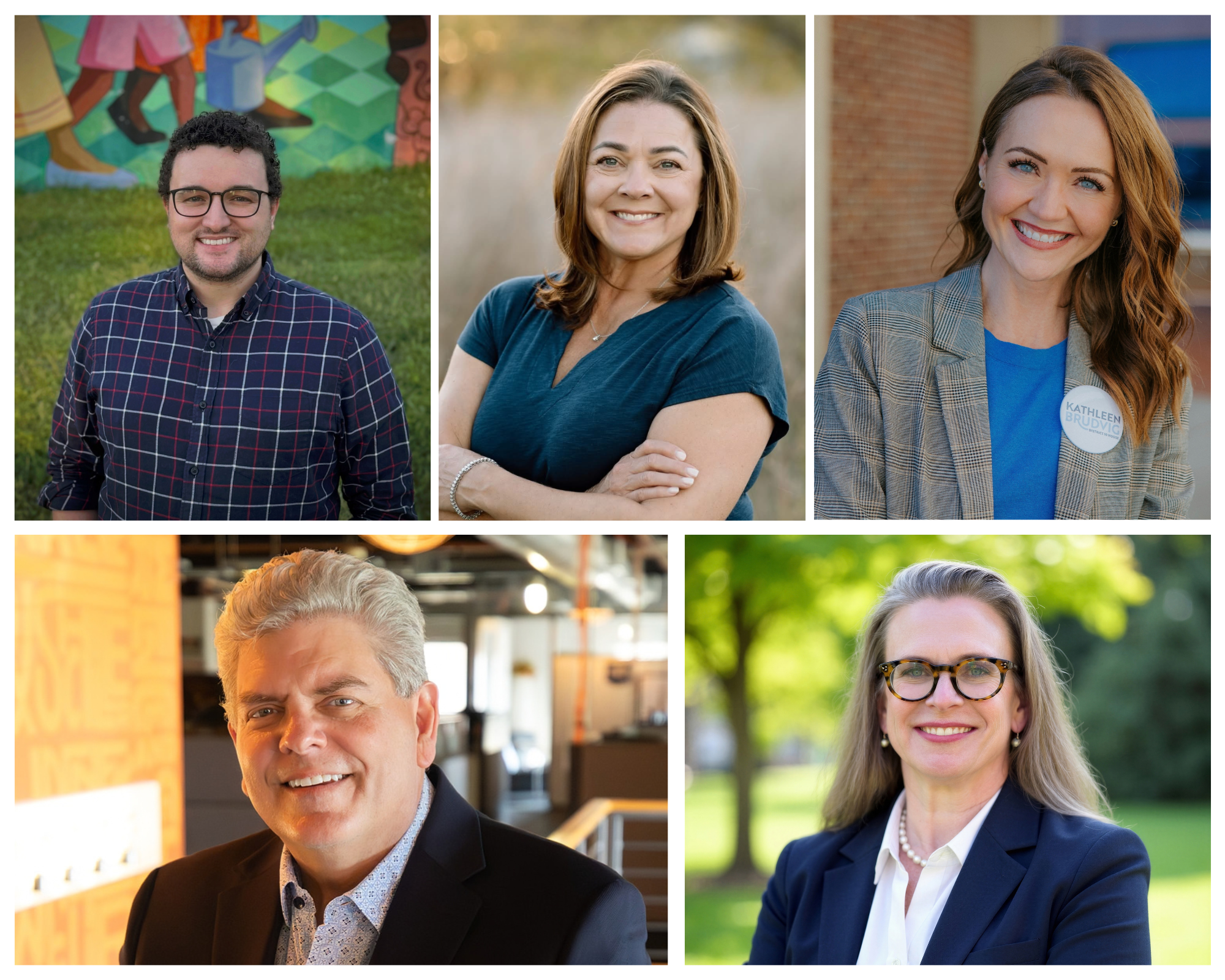
Meet the candidates
Candidates are listed in alphabetical order and on a rotation in the Q&A portion.
Liz Larson (Senate)
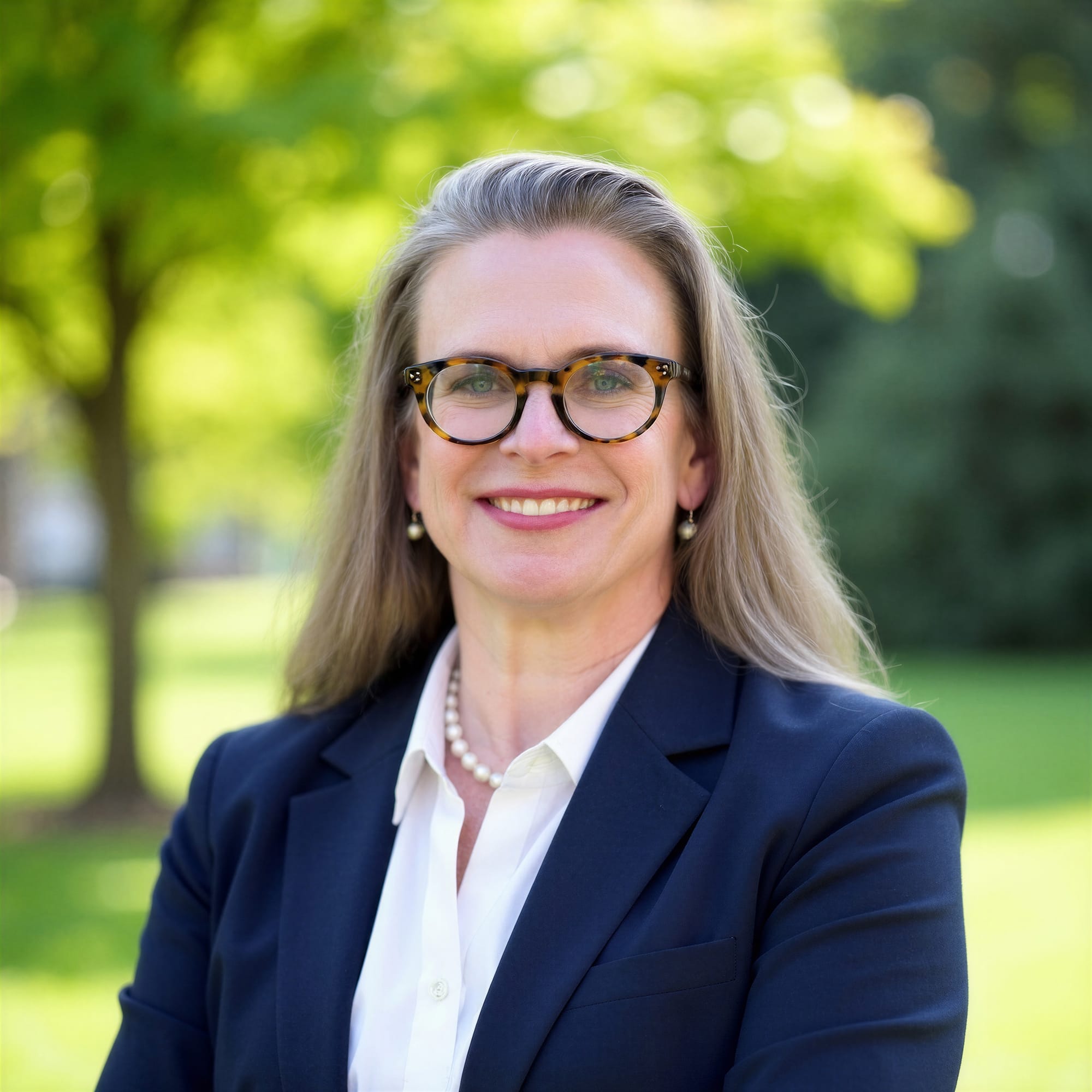
- Age: 53
- Occupation: State senator and mom with a background in international economic develoipment.
- Why are you running for this office?
- "I am a lifelong South Dakotan and a mom of two, and I have a background in program management and international development both here and abroad.
- "I moved back home several years ago and just wanted to take my skillset and see what I can do to ensure that we have a great future for our kids here in South Dakota. A lot of things have changed since I grew up here in Sioux Falls in the ’70s and ’80s.
- "I felt like after 50 years of single-party rule that there needed to be some more diverse voices in Pierre that more realistically represent what people are struggling with and what keeps people up at night."
Michael Dupic (Senate)
Dupic declined an interview with Sioux Falls Simplified.
"I will not be participating" he said in an email. "Your survey is too lengthy and controversial. Have a Great Day [sic]."
Dupic declined to respond after a follow-up email clarifying there was no survey, simply a request for a 30-minute face-to-face conversation.
Adam Bair (House)
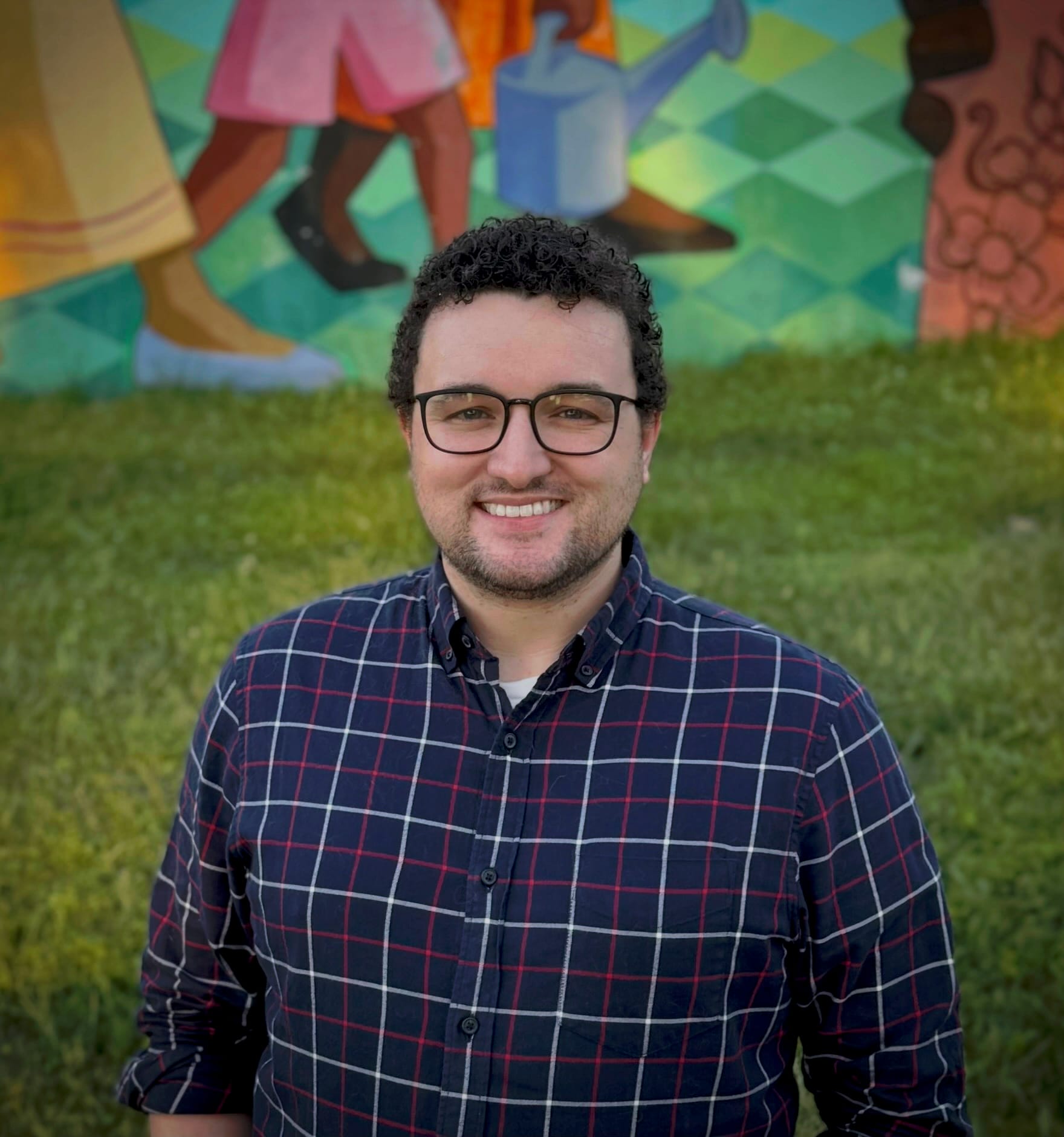
- Age: 34
- Occupation: Business advisor
- Why are you running for this office?
- "The main reason I decided to run is because I have spent most of my career in retail, in customer-facing management positions ... I feel like they’re oftentimes forgotten. Even though we were considered 'essential employees' during the pandemic, we have now become the working poor.
- "South Dakota has one of the highest percentages of people needing two jobs to survive. I feel like the perspective of the large group of working class South Dakotans is important to have at the table when legislating."
Kathleen Brudvig (House)
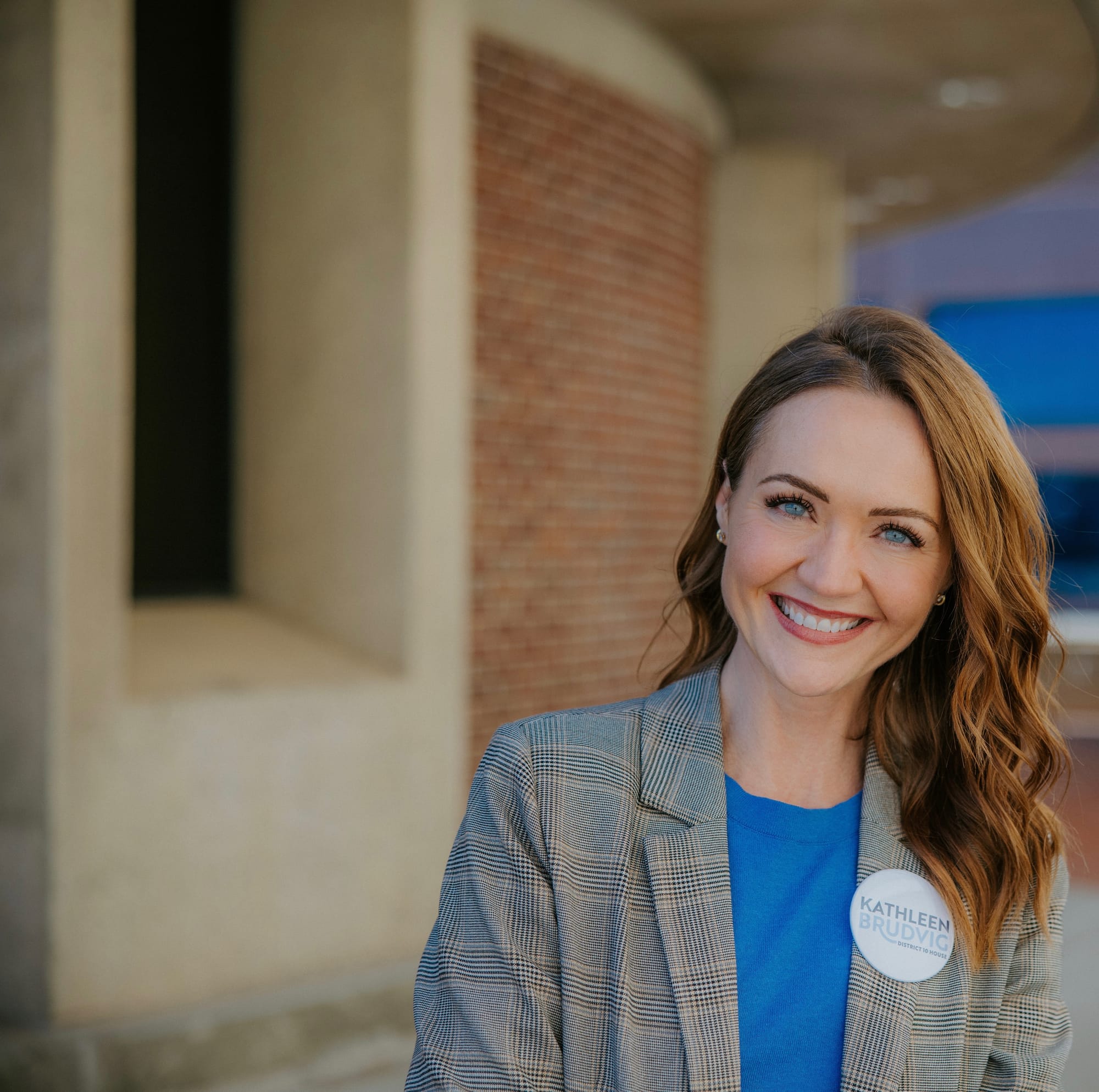
- Age: 40
- Occupation: Registered nurse
- Why are you running for this office?
- "I am a nurse and a mom, and I have lived in Sioux Falls pretty much my entire life. This community is very important to me, but some of the things you see out of Pierre aren't the direction I'd want to see the state move in. I think it's important to have a voice when you can.
- "I want to make sure that we have strong healthcare and education – those are near and dear to my heart. We seem to try to underfund and undermine those in our state and that's not the direction I want to see.
- "So instead of sitting around and complain, I wanted to do something about it. This is my something. I love my state and my community, and I want to see us thrive and flourish."
Kimberly Petterson (House)
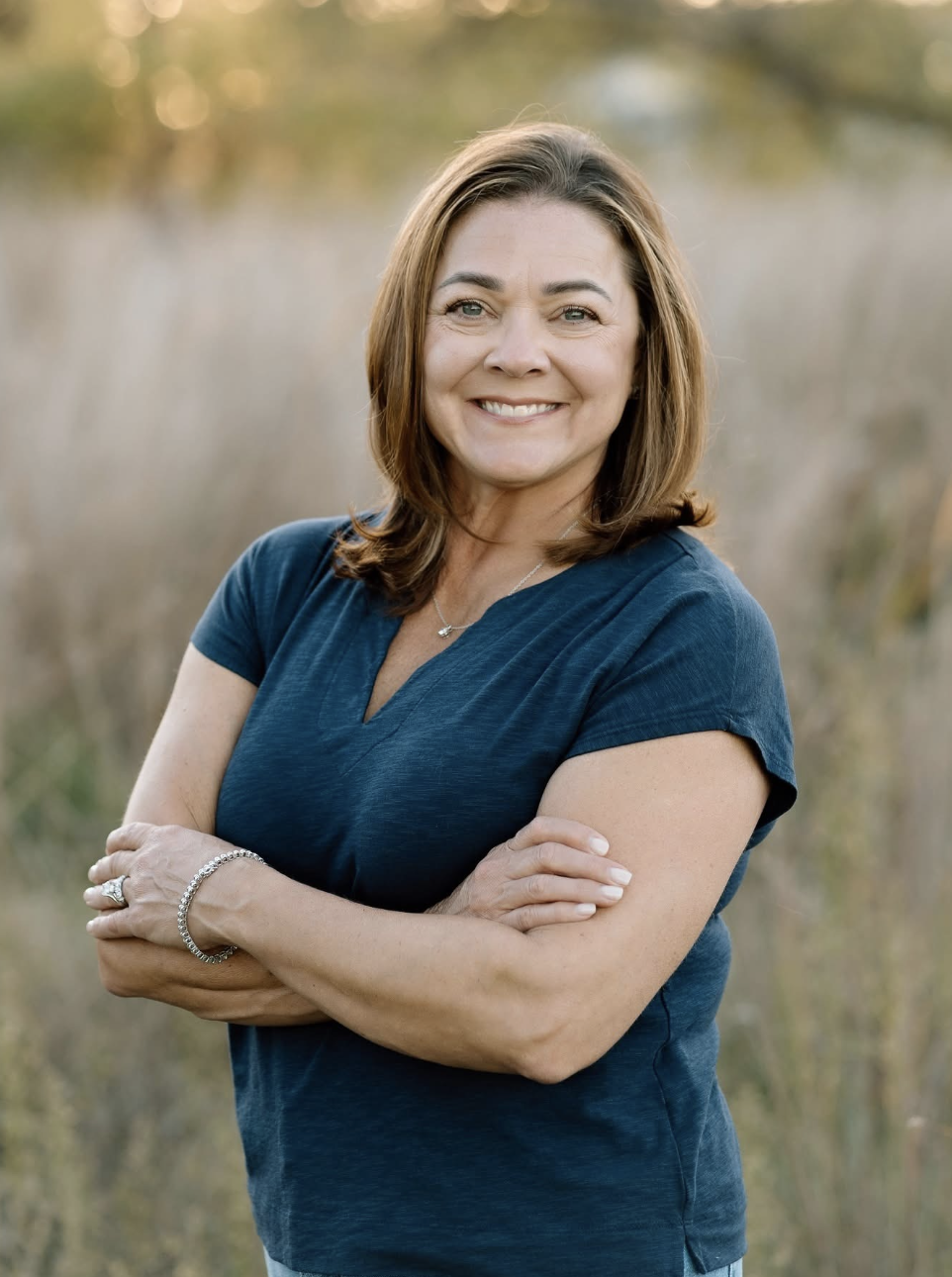
- Age: 55
- Occupation: Small business owner
- Why are you running for this office?
- "I have been kind of involved in politics from a grassroots perspective on the sidelines for many years helping other candidates – door knocking, helping with lit drops. My husband and I have just been very involved ... we're also parents, so that also is a big part of it as well.
- "I had some people ask me whether I'd like to get involved at a higher level, and we say you can't complain things aren't changing unless you get involved and do more. ... I decided it was a good opportunity at this time."
John Pohlman (House)
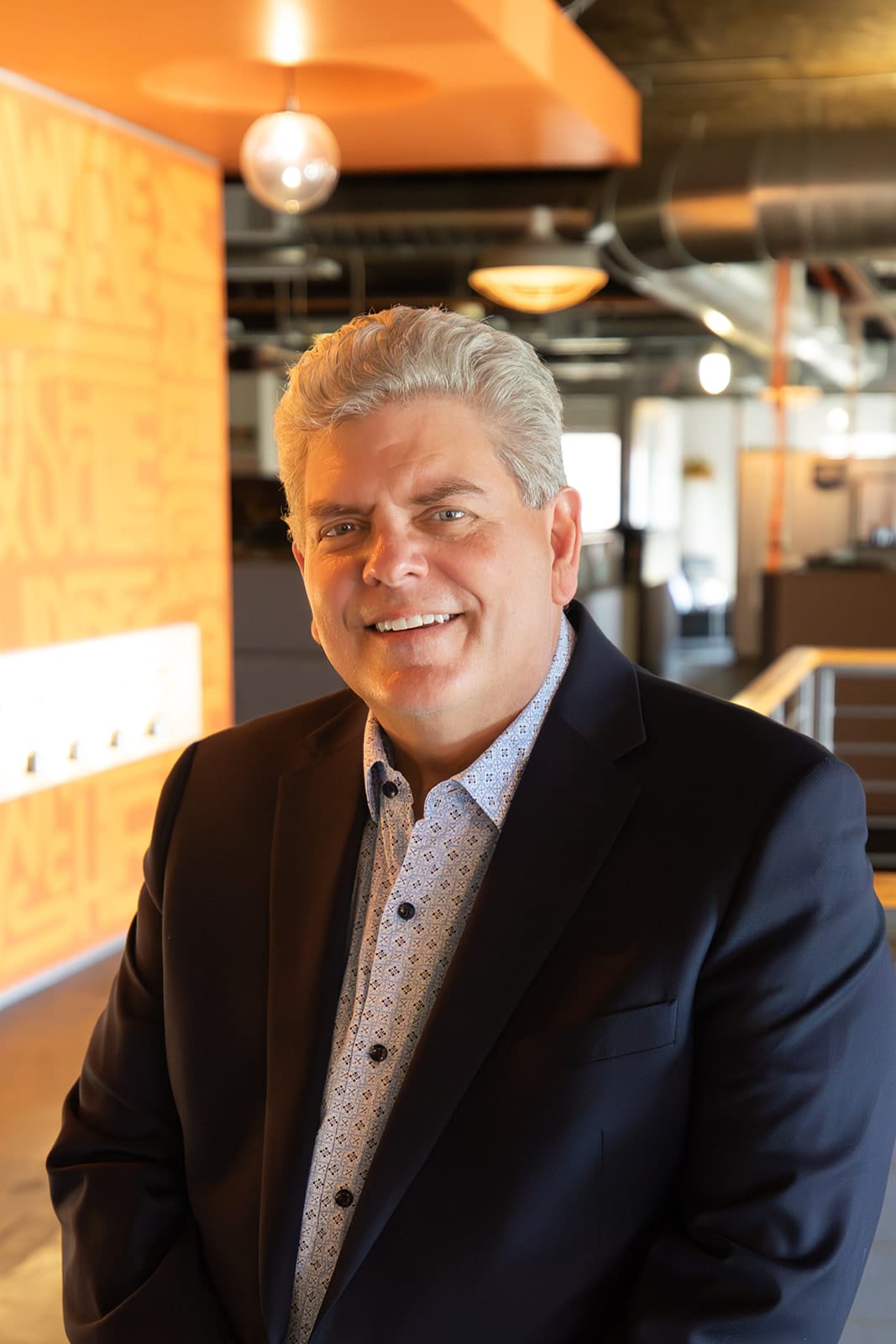
- Age: 64
- Occupation: Lawrence & Schiller marketing agency
- Why are you running for this office?
- "I’m running because I think District 10 deserves thoughtful, responsible, common-sense, experienced leadership.
- "I work with people from all sides, all perspectives, both sides of the aisle to get things done.
- "It’s just what I do: I get results, and I think my career and my experience both in the private sector and in the volunteer work that I’ve done with any number of organizations position me very well to serve in the legislature and help move South Dakota forward."
Here's how the District 10 candidates responded to a variety of policy questions
Answers are edited for clarity and length.
DATA CENTERS
What are your priorities when it comes to data centers in South Dakota? Do you support data centers, and if so, what, if any, limitations would you put to protect residents from negative impacts?
Larson (Senate): "Right now I would not support new hyperscale data centers in South Dakota. The reason why is that right now the public does not have enough info and enough comfort to feel good about all the potential dangers of hyperscale data centers. That’s simply what it is.
- "In the future, if we have answers to those questions that are a little bit more robust and a little bit more palatable to South Dakotans, I’d be open to discussing it, but as of right now I hear clearly from my constituents: no, thank you."
Dupic (Senate) : Declined comment.
Bair (House) : "Right now it’s very clear that South Dakotans do not want data centers in their communities, and it’s very clear to me that this probably isn’t going to change anytime soon.
- "It seems overwhelmingly (from voters) that it’s not worth the trade-off, and I do not believe (hyperscale data centers) will bring permanent jobs into the communities like they say they will. Right now I’m in favor of a moratorium on constructing data centers."
Brudvig (House) : "My support for a hyperscale data center depends on what my constituents want. ... At this point it sounds like a resounding no — people do not want hyperscale data centers currently, at least as they have been presented.
- "As I talk to voters there are people who say if we regulate them appropriately and tax them appropriately, potentially we could accept hyperscale data centers in our state.
- "My personal view is it needs to be a net positive for the state, and right now we’re moving really rapidly, and we don’t fully understand what the positives and negatives could be."
Petterson (House) : "Data centers are a necessary evil. We need to have them. We have to keep up with technology. As much as tech can be a detriment – I think it’s gotten out of control with our children having too much tech and too much screen time – however, tech is happening and we need to keep up with it.
- "I think data centers are necessary. Do I think they’re necessary in South Dakota? Not necessarily. I have heard from many voters, and I personally don’t want data centers in South Dakota."
Pohlman (House): "My position is no, unless they can prove definitively that their closed-loop water system is not going to adversely affect the community, that their energy draw is not going to drive up rates as a result of what they are doing, and that the community is overwhelmingly welcoming of a data center.
- "It’s no unless they could hit all of those marks, and I seriously doubt that most hyperscale data centers would hit those marks.
- "I hate the idea of completely closing the door, but at the same time they have to be good citizens. People in the district are skeptical."
EDUCATION FUNDING
South Dakota for years has given public schools less funding than required under state law. How big of a priority are public schools and ensuring they’re adequately funded?
Dupic (Senate) : Declined comment.
Bair (House) : "South Dakota has some of the lowest per-pupil spending in the nation, and every dollar that a teacher has to spend on school supplies is an embarrassment for the state.
- "We need to stop politicizing our public school system and focus on the good of the students. We need to look seriously at increasing that funding significantly in order to ensure a bright future for South Dakota.
- "I am also very much opposed to the proposed school voucher programs. I don’t believe the way to fix public schools is taking more money away from them."
Brudvig (House) : "My personal views on education are that it’s foundational. That is the foundation for a successful life, a successful future, and a successful society. We have not done very well at that in South Dakota.
- "We consistently underfund education. We don’t pay our teachers appropriately to keep our good teachers here in South Dakota.
- We are not meeting the threshold that our state law says we need to be meeting. I would put that at a top priority for budgeting – to make sure we’re at least meeting that and, if not, finding ways to increase funding.
- "We have a budget surplus every year. We have our rainy-day fund. We have the funds to ensure our education is funded. We just need to make it a priority."
Petterson (House) : "I’m not exactly understanding why such a big part of our budget goes to education, but our schools are failing our students.
- "Reading levels and math levels, as studies are showing, are not where they should be. I have talked to a lot of teachers and people in education, and I don’t feel teachers are being paid enough. Without actually diving into the budget and understanding where these funds are going, I think administrative costs have continued to increase and are probably way higher than they should be, and the teachers are the ones that are paying for that.
- "I think there are probably multiple facets of why children and students are not necessarily at the levels they should be. I think if we do have good salaries and good pay for our teachers we’ll attract good teachers with high education. Hopefully that will help students in South Dakota."
Pohlman (House): "Under Gov. (Dennis) Daugaard, the Blue Ribbon Task Force came up with a system that moved us up out of 51st in the nation in terms of teacher salaries, and I would want to revisit what happened there and what happened since before I make any kind of decision one way or another.
- "I hear it in District 10 – (a desire to make) sure the money that comes from the state gets to the teachers and isn’t squirreled away in reserves or administration.
- "It’s tougher than ever to be a teacher given a lack of quality parenting, in many cases, to prepare a child to be a functioning student. I’m hearing that more and more — it’s just a nightmare for the teachers — so I want to make sure the teachers are adequately compensated."
Larson (Senate): "We’ve been slowly draining our investments in public education for decades. That is terrible, in my opinion, and sad.
- "I think education is the key to building our economy, and the more we engage in school vouchers, the more we don’t fund our public schools adequately. Moreover, we pay our teachers less than anywhere else in the country.
- "We are showing our values by that, and future generations are going to pay for those decisions. ... It affects things like recidivism and the broader economy. It just touches everything."
SCHOOL CHOICE
Do you support using tax dollars to subsidize private schooling, homeschooling or other school choice initiatives?
Bair (House) : "No, very clearly no."
Brudvig (House) : "I do not. Every parent obviously has the choice to send their kids to a private school or do an alternative education setup like home-schooling. But public dollars belong in public schools, and that’s that."
Petterson (House) : "I haven’t given it a ton of thought. I do think there should be some choice of schools.
- "I do think that if you’re a taxpayer you should be able to have some help in sending your child to a private school if that’s your choice. I do think that probably would be beneficial to the taxpayer and might help to increase competition as well within schools. People going to private schools because they’re getting some help — that might help to increase the competition in our public schools."
Pohlman (House): "I wouldn’t advocate using any funds that could potentially hurt public schools.
- "So if we were to subsidize private schools with vouchers or things of that nature, I would want to make sure that we have the funding in place to not adversely affect public education.
- "We have a constitutional requirement that we have to meet with regards to education, and I wouldn’t want to do anything that would harm public schools. I’m a big proponent of public school."
Larson (Senate): "No. The reason why is that private schools and homeschools can choose whoever they want to educate and choose who they don’t. The public’s money — it can’t go to something like that.
- "You can’t take taxpayer dollars and only give it to some people in a system that’s designed to be public. Right now you do have school choice. But do they need to be subsidized by taxpayers? (I see it as) an unfair use (of tax dollars) and not equitable."
Dupic (Senate) : Declined comment.
CHILDCARE/AFTER-SCHOOL CARE
Do you support using state funds toward preschool/afterschool care and/or childcare?
Brudvig (House) : "I do, absolutely. Universal pre-K would be something I’d be very interested in pursuing.
- "Childcare as well — that is so important for our families, for our kids, for our communities, and for our economy to make sure people have access to affordable childcare. So I would absolutely support finding some way to subsidize or work with the state to try to offset some of that childcare bill. For a lot of families it’s more than a mortgage right now to send their child to daycare."
Petterson (House) : "I think I would support some support in that because I actually did have to put my kids in daycare and it’s very expensive.
- "It’s crazy how expensive it is, and if there could be some support for it that would be wonderful. The only thing on the downside of it is you don’t want to take away from the budget that’s going toward our public education. Where’s that money going to come from? I don’t want it to come from the public schools."
Pohlman (House): "I think preschool is one that we need to take a hard look at. Kids need a good start to be able to not come out of the gates behind their peers, so programs like Head Start I think are extremely important. My mother was a Head Start teacher, and I know the value.
- "Beyond that, I’m not sure it’s the state’s responsibility to cover childcare. Things are already very, very tight with regards to the obligations the state has to Medicare, infrastructure, and to a lot of different programs that are already in place. I’m not so sure we need to create any new programs given that we’re already struggling to cover the expenses of the programs that exist.
Larson (Senate): "Absolutely, if it’s the right model. There are all sorts of models on those types of ideas that have varying degrees of efficacy.
- "There is so much data to show how invested in early childhood development — especially from 0–5, which we don’t really do here in South Dakota — how deeply that is connected to the economic performance of a state in the long term.
- "I absolutely think it should never be off the table to invest in those things because it is economic development, workforce development. They all coincide in early childhood. It’s the biggest bang for your buck."
Dupic (Senate) : Declined comment.
Bair (House) : "That’s another part of the affordability crisis in South Dakota. A year of childcare is almost as expensive as sending a kid to college, and that’s a huge problem.
- "There are multiple counties within South Dakota that don’t have licensed daycare providers, and that’s also a problem.
- "If we want to see the state grow like we want it to grow, we need to help working parents by providing this service. When it comes down to it, this is infrastructure. This is ensuring people have the services and the means they need."
PROPERTY TAXES
Are property taxes a problem in South Dakota? And how do you weigh the needs of the taxpayers with the needs of local governments to provide essential services?
Petterson (House) : "I think property taxes are out of control. I do think something needs to happen for us to start decreasing property taxes. Many of my constituents in my district are living paycheck to paycheck. I’ve got a lot of retirees. I’ve met with a lot of retirees in my district that are seriously being taxed out of their homes ...
- "Young people are having a hard time affording their first house. Median home prices for a new couple are so much higher than when I bought my first house. With that on top of the property taxes, it’s becoming unaffordable for young people to buy a house as well. What the answer is, I don’t exactly know.
- "I don’t want to see a state income tax either, but I think lawmakers have to look at the budget very, very carefully and see where things can be decreased or cut. Spending is out of control, I think, at our government level as well."
Pohlman (House): "Property taxes have become a dog whistle in a very big way over the last election, and it is something that people bring up when I’m knocking on doors.
- "I don’t think we’re done with the property tax debate in the legislature. As a result of what happened last session, relief has been provided, and we’ll have to see whether that relief has been felt by the public.
- "Offsetting it with sales tax, I’m not sure, is a great idea. I struggle with the idea of me experiencing property tax relief on the backs of people who can’t afford homes. So I think there’s a lot more work to be done with regard to property taxes. Is it an issue and do people think it’s a problem? Absolutely, and as a result, it will merit continued debate."
Larson (Senate): "I don’t hear that from tons of (constituents), but when I do hear it it’s usually from people on fixed incomes who’ve had houses that’ve gone so much up in value, and now they’re kind of up the creek without a paddle.
- "It is a problem. That said, the answer is not what the legislature did this year, which was to put $58 million into a fund to bail out the largest property owners in the state. Even Republicans called that the Ted Turner tax/subsidy. That was just, to me, crazy.
- "Whatever we do with property taxes, and it is a legitimate issue, it can’t be just shifting those taxes onto somebody else. Democrats (last session) offered an alternative that would've made a more equitable solution."
Dupic (Senate) : Declined comment.
Bair (House) : "I think the property tax issue speaks more to the bigger problem that we have with affordability in our state. Housing and homes have become unaffordable for people in just about every aspect of our communities.
- "I do not believe that the solution to fixing the property tax problem is shifting that tax burden to renters, and I do not believe that’s the correct choice to make.
- "I think that shifting that tax burden into different areas, like repealing a sales tax on groceries and things like that, would be far more impactful than the current plan to help with property taxes. That’s because everybody needs relief from this affordability crisis.
- "Is it a problem? Yes. Property taxes are high and that needs to be addressed. There are programs in place that can help people who need help with property tax–related issues. It's worth taking the time to look at those programs and see where we can modernize and update those programs to make it easier for folks to apply for them."
Brudvig (House) : "Here in South Dakota, overall, we do have a pretty low tax burden. We rely heavily on sales tax and property tax. We don’t have a state income tax. We do have that sales tax, and we have the property taxes. And we’re just barely meeting our obligations to our citizens. ...
- "If we did try to find a property tax cut we could be looking at something like an income tax to make up that deficit. I do think relief programs are important.
- "If at the state level we are funding our schools appropriately — meeting that 3% (or inflation, whichever is lower) — we wouldn’t need to have opt-outs and wouldn’t need to rely so heavily on local property taxes."
BUDGET
As in any budget scenario, the needs and wants of South Dakotans are greater than what the state spends on helping them. What’s your philosophy when it comes to the state budget, the amount of money in reserves and who should benefit from the tax dollars we all pay?
Pohlman (House): "The fact is South Dakota’s growing, and it’s key that we make sure that growth is responsible with regards to our government expenses.
- The constitution requires that we balance our budget, and that will require tough decisions. And that’s a much better scenario than just going into the red like a lot of states do. I’d rather have to make the hard decisions than just write a check that we can’t cash on the back end.
- The key is being responsible with the dollars that we have, and that’s the legislature’s job. It’s the governor’s office’s job, and I think to that point South Dakota’s done a very good job with it, and I look forward to being a part of that debate."
Larson (Senate): "It should be equitable, and I think our budget is a moral document and it shows where we place value.
- "When we continually don’t prioritize things like public education, we don’t prioritize temporary assistance for needy families (TANF), we don’t prioritize SNAP (supplemental nutrition assistance program) – in fact, we slowly reduce these things – it shows where our values are. And that makes me quite disappointed.
- "We’re South Dakotans. None of us want people to be given stuff for free, but the way that we are funding programs for people in transition are just really — it’s just inadequate. It shows a deep misunderstanding of what the middle class are experiencing right now. I just feel like it doesn’t always reflect what it should reflect."
- "There are other areas of the budget that I think are great. I think we should be investing in economic development and meeting financial obligations we’ve been given."
Dupic (Senate) : Declined comment.
Bair (House) : "When we pay taxes we are expecting a return on that. Nobody pays taxes out of the goodness of their heart. When I pay my taxes I expect the government to make responsible choices with them.
- "I believe using those funds responsibly is important. I think the surplus of money coming from the Department of Social Services is very concerning because that is money that is allocated for those programs to help people who are in the most dire need.
- "(I'd like to see it) reviewed to make sure that funding is being used for what it needs to be used for rather than turning people away or making it more difficult for them to apply and use that money."
Brudvig (House) : "I think average South Dakotans should benefit from the tax dollars we all pay. I’m absolutely a fan of saving for a rainy day and South Dakota does that well. But I don’t think we are utilizing tax dollars appropriately when we continue to just funnel money into reserves.
- "When we are saying let’s cut Medicaid, let’s cut SNAP, let’s cut TANF, when we aren’t adequately funding the things that tax dollars should be funding, but we’re putting away more and more money for a rainy day, the average South Dakotan should benefit from the taxes we all pay. I think we do that best by utilizing the tax revenue that comes in.
- "We have a lower tax burden. Utilizing that appropriately to benefit South Dakotans is, I think, of the utmost importance."
Petterson (House) cited concerns with the increase in the state budget seen in 2026 (up $400 million year-over-year).
- "Being that my husband and I own our own business, we know what it means to run a budget. (We've had) times where we’ve had to not pay ourselves. Government should be run the same way. You’re taking it from the people of South Dakota, and if there’s not money to spend on certain things legislation wants to do, it shouldn’t be spent. I think the budget needs to be scrutinized more."
MEDICAID
South Dakota voters supported medicaid expansion in 2023 – Do you think they made the right choice? How will/will you support ongoing access to healthcare for vulnerable residents and ensuring providers are adequately funded?
Larson (Senate): "Yes. The voters clearly chose to expand Medicaid and we need to protect what they wanted. Myself and my caucus are going to do everything that we can to make sure that Medicaid remains either the same or increases.
- "I don’t see it possible for us to increase, but at every turn a lot of people in the legislature are trying to get rid of Medicaid or reduce it back or create situations in which we could reduce it back in the future. ...
- "I don’t understand why some of my colleagues in the legislature feel like hardworking people should have to put up with that. They didn't. Their parents didn’t, and their rhetoric is just kind of gross."
Dupic (Senate) : Declined comment.
Bair (House) : "South Dakota voters made it very clear that we wanted Medicaid expansion. We made it very clear that that is what we wanted, and it’s very discouraging to see the state government try time and time again to usurp the will of the people and to not provide those programs. We’re seeing it again this year.
- "We also know that when more people have access to healthcare that all of our healthcare costs go down. ... We need to do everything that we can to stop that growth in cost. Part of that is providing care to communities who otherwise would not have it."
Brudvig (House) : "Medicaid is an issue near and dear to my heart ... I personally have been on Medicaid when I was a young mom. I had my son when I was very young, and I needed Medicaid coverage for myself and my son.
- "I think the voters absolutely got it right with Medicaid expansion. Healthcare is foundational. You cannot live a successful life without being healthy and having access to healthcare. Healthcare, housing, education — that investment helps people thrive.
- "When you take away Medicaid access you’re going to see rural hospitals close and you’re going to see healthcare be cut because people are going to be unable to access preventive care. When you don’t have that to access preventive care, you’re going to have more expensive healthcare down the line."
Petterson (House): "I wasn’t 100% in support of it. I did believe at the time that we had a good Medicaid program for the state.
- "I wasn’t necessarily always for the increase in any kind of overall funding unless it’s more scrutinized as to where it’s going to go. I think it should be going to the people that absolutely need it. We do have residents that need healthcare, and they need to be able to access those kinds of things when they need them."
Pohlman (House): "I think it’s far exceeded what we thought it was going to be when we approved it. I was all in favor of approving it — those were federal dollars that were available to us. I think it was the right call at the time.
- "I know there’s legislation we’re talking about to try to put some guardrails on that so it doesn’t get totally out of control.
- "We have a constitutional obligation to provide for Medicaid. I think we have to look long and hard at exactly how much we commit given what those things will eat into our other basic services that are absolutely important to South Dakota, and we have the obligation to balance our budget on top of it. We can’t just go in the red this year and pick it back up next year."
ELECTIONS
What, if any, changes do you want to see the state make when it comes to absentee voting, voter registration, voter ID laws and elections in general?
Dupic (Senate) : Declined comment.
Bair (House) : "One thing that I noticed from running the campaign this summer is it’s increasingly getting harder for people to vote. It’s getting harder for people to register to vote. There are more hoops to jump through.
- "I understand the intention behind it, but it feels like an undue burden for people to go through to exercise their right to vote.
- "As far as election dates, Sioux Falls tried to align more with the state elections, which I think worked well to help drive turnout. I think it benefitted the entire process to have those elections line up rather than each have their separate dates."
Brudvig (House) : "I think that we should be making it easier, not harder, for people to vote. It is a fundamental right and a huge pillar of democracy — making sure people have free and fair elections and are able to vote. That is what makes South Dakota and America work.
- The SD SAVE Act that we just passed – the legality is questionable. Of course I want our elections to be secure, but when you look by the numbers voter fraud at any large scale just doesn’t really happen in the way some claim. So making voting accessible – I’m all for absentee and mail-in voting.
- "Expanding people’s opportunity to vote, the ways people can vote, and just making that a more accessible process – I’m all for it."
Petterson (House) : "That’s a great question. The election process, I think, is so much more complex than it needs to be. Voter ID is very important. I think it’s important to have transparency in our elections. I think our auditors have done a good job with that. ...
- "I think we could do a better job for people that don’t necessarily reside here all the time and they’re voting here — RVers needs to be looked at more carefully. Making sure every voter’s vote counts and that we’re counting them correctly and having a lot of transparency — that is important."
Pohlman (House): "I think, by and large, elections are well-run in Sioux Falls and in South Dakota.
- "I’m not a big fan of going 100% to hand counting. I think that’s a huge step backwards for the state, and we shouldn’t be doing that. Any tests we’ve done have seemed to bear out that the system we have is extremely accurate, so I don’t know that we need to alter it in any dramatic way.
- "I think sometimes we get some frivolous ballot issues that we all have to vote on. I would advocate maybe for raising the number of signatures to put something on the ballot.
- "Requirements for who’s eligible — we have those in place. ... I don’t have any problem with requiring American citizens to be able to prove they are citizens to vote."
Larson (Senate): "I do feel like overall — I’m thinking specifically on the mayoral election in this — there are some loosey-goosey areas in our codes at that level that just need to be clarified.
- "I think there’s a lot of misinformation out there about hand-counting being more accurate than voting by machine or machine counting, and I think there’s just some myths out there.
- "We all want to have election integrity, and I think we need to dispel some of the myths and get back to sort of realizing that we have a common goal here and that a healthy democracy and healthy voting systems work for everyone and quit trying to piece-meal stuff together and attack our system."
OPEN PRIMARIES
Is it time for open primaries in South Dakota?
Bair (House) : "Yes. With a one-party-rule state, the people should have more say in who from that one party actually represents them and makes laws for them."
Brudvig (House) : "That one I go back and forth on. I think in some ways it would increase the democratic process and people being more involved, and then in other ways the state is kind of unbalanced.
- "It’s a hard question. I would have to research that more to really form a solid opinion on whether or not I would want to support that fully and depending on what that looks like. But I think there are big pros and cons."
Petterson (House) : "I don’t believe in open primaries. I think it creates confusion for the candidates."
Pohlman (House): "It’s interesting. I’ve heard both sides of the issue. ... I ended up voting against it, but the requirements to get through a primary and the requirements to win a general are two very different things.
- "Open primaries are not without merit. I’m just not ready to commit to it right now."
Larson (Senate): "I like the idea of open primaries. There are a number of ways that someone can do open primaries. There are different sorts of thresholds ... I don’t think it should be something that’s taken off the table."
Dupic (Senate) : Declined comment.
ECONOMIC DEVELOPMENT
How does economic development factor into your list of policy priorities? What role do you think the state should play in supporting existing businesses and attracting new businesses/industries?
Brudvig (House) : "Economic development is obviously essential for a state to thrive, for people to earn an income and be secure. Economic development is very important.
- "I do think the state plays a role in trying to attract businesses through various policy initiatives to try to bring jobs here. I think what we need to do when we evaluate an economic development project is make sure it is a net positive for the state."
Petterson (House) : "I’m always for development of our communities. I’m more for supporting small business.
- "I feel the South Dakota legislature should stay out of giving tax incentives to large corporations to come into our state. I’m not for giant, huge economic development.
- "I’m more for helping out the small business owner with maybe some kind of incentive to help them start their businesses and stay away from a large corporation. We don’t need tons of jobs in South Dakota. I think we have one of the lowest unemployment rates in the country but we do struggle with small businesses staying open."
Pohlman (House): "I’m a big proponent of smart economic development, and not all economic development is smart. I think South Dakota again has done a very good job over the years of promoting smart economic development.
- "The governor’s office of economic development exists largely to support South Dakota businesses and to help them grow. That kind of gets lost in the shuffle when you hear about incentives for large out-of-state operations coming onto the state, and people have to remember that most of the job of economic development is to grow the companies that were founded here and are employing most of the people in South Dakota.
- "I think we have to be smart and we have to be careful with the incentives that we offer. Incentives are table stakes. You can’t even get into the game to bring a large company in without offering some sort of incentives ... We just have to do it smartly and prudently."
Larson (Senate): "I think that South Dakotans don’t want, in general, to subsidize private corporations.
- "When people say we can’t pick winners and losers — which is something I hear over and over again — that’s true, but only to a certain degree. We already are picking winners and losers. I don’t look at it that way because we are trying to keep our economy balanced, trying to keep communities that rely on industries like agriculture solvent.
- "We do need to finesse our capitalism system a little bit ... so people aren’t subject to the volatility of markets all the time. I do think we need to be careful about it, and we need to make sure that the choices that we’re making align with our values."
Dupic (Senate) : Declined comment.
Bair (House) : "I think that responsible economic policy is important, and by responsible what I mean is, we know South Dakotans work very, very hard and have wonderful work ethics.
- "What we don’t want to see with responsible economic development is companies that come in and do not pay a living wage. If a company is going to come in and use our tax incentives, our tax environment, and our phenomenal workforce, they need to ensure they’re paying a living wage. That way the people who are working for them can afford a life of dignity.
- "South Dakota should not be in the business of bringing in large businesses that don’t pay a living wage because ultimately it hurts the community."
CRIMINAL JUSTICE
What policies do you want to see enacted to support re-entry and reduce recidivism – especially in light of the new prison being built in Sioux Falls?
Petterson (House) : "We need to start helping and creating programs to help people so they don’t continue to go back into the system – getting them help with mental health. ...
- "Unfortunately, criminals that come out and could possibly be rehabilitated are not being given the programs that are needed. I would be behind state programs to help people get a job, get back into the community and be rehabilitated. I believe it can happen – it just needs to be focused on and we need to do something about it and not just talk about it."
Pohlman (House) shared an example of how Southeast Technical College is teaching welding to inmates, and a high percentage of those people go on to get and retain jobs after incarceration. He said that type of program can help people get off the "carousel" of recidivism.
- "I think that’s going to take some investment. I know that’s not what anybody wants to hear, but I think it’s necessary. Otherwise it’s just the definition of insanity. It’s not going to get better unless efforts are made to change the dynamic."
Larson (Senate): "My opinion will be very unpopular. I feel, if we zoom out, the 30,000-foot view is early childhood education. ... Fighting for early childhood education and other types of interventions is, long-term, helping our prison problem.
- "That said, there are of course people that are incarcerated at this moment that will be let free at some point, and they’ll need services too – access to treatment for addiction is huge, access to treatment for mental health, job skills."
Dupic (Senate) : Declined comment.
Bair (House) : "Let’s make no mistake about it: the prison is something that has been sorely needed. The hill (the current penitentiary) is unfit for anybody to be kept in for any amount of time.
- "I think that creating a space within the new prison where we can allow more of these therapies and programs to help reduce that recidivism rate is going to be beneficial. I think providing the space and the room in the new prison is going to help with that.
- "I also think we need to reexamine what happens with these folks once they’re let out of prison. Are they able to go home and find a support system? If they don’t have a support system at home, are we able to find them a support system in their communities? The last thing we want is for someone to be left in Sioux Falls and told to figure it out."
Brudvig (House) : "It was time to build a new prison, and with that new prison I would like to see some new policies to help reduce recidivism and to humanize the criminal justice process, including having addiction/substance-abuse treatment available while incarcerated, mental health support during and after incarceration. (We should be) making sure it’s a rehabilitation process, not just punishment.
- "I think we reduce recidivism by not just locking people up and throwing away the key – we invest in job training, education, help people achieve a GED or some sort of higher ed. And then after their release making sure we connect them with family support. That’s huge for being able to live a successful life at all – having a support system."
TRANSPARENCY
How do you plan to seek input from your constituents? What’s the best way for people to reach you with their feedback?
Pohlman (House): "My email address is john@pohlmanforsd.com. I have a website. Anybody can reach out to me either of those two ways.
- "I anticipate, if elected, creating some sort of a newsletter that would establish more of a back-and-forth between me and my constituents."
Larson (Senate): "I have my cell phone number on the website, and anybody can literally call me on my cell phone. I also go door to door at this time of year, which I love because I get to talk to people and hear their stories. On my legislative (email) account, if someone mentions that they are a constituent of mine, I will always respond."
Dupic (Senate) : Declined comment.
Bair (House) : "I am always open to feedback from anybody. One thing I decided right off the bat when I started this process was, if I felt like I was uninformed about an issue, I would seek out input from someone who knew what they were talking about. ... I am always open and willing to hear somebody’s perspective and experience. I think ultimately I learn from that feedback."
Brudvig (House) : "I think accountability and transparency in public service is of utmost importance, and I am committed to both of those. I am committed to hearing and listening to my constituents because after all that’s what I want to do with this job – go to Pierre and represent the people that have elected me.
- "The best way to reach me as a candidate is my email: kathleenforhouse@gmail.com. As a representative would be the (state legislature) email and office phone number. I’m committed to talking with constituents."
Petterson (House) : "Email and phone number. I would want people to reach out to me as much as possible. I would also take the time when possible whether it’s during session – I don’t know what the down time is – I would continue to keep in touch with many of the constituents I’ve met by door knocking."
What happens next?
Election Day is Nov. 3.
You can check your voter registration on the Secretary of State's voter information portal. The voter registration deadline is Oct. 19.