Editor's note: This is one in a series of voter guides ahead of the Nov. 3 election. To find your district, you can type your address into this interactive map on the state legislature's website.
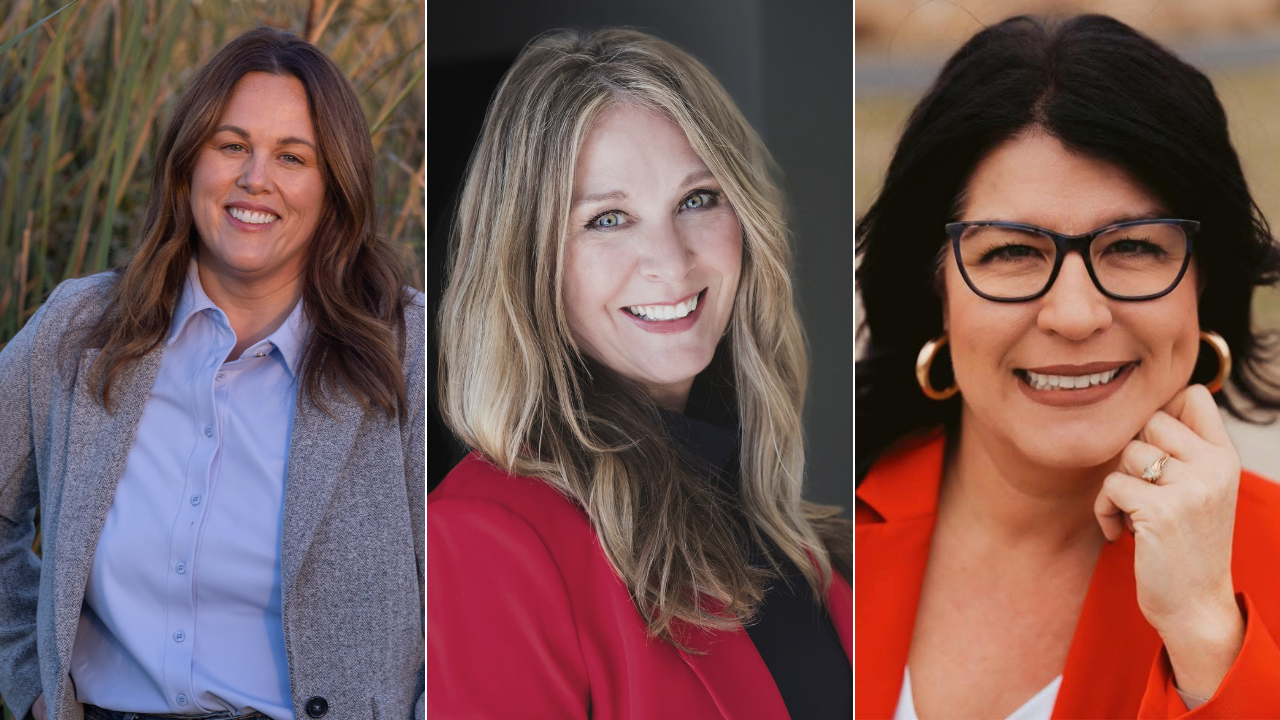
Simplified: District 9's lone senate seat has already been decided, and Sen. Joy Hohn will return to Pierre for another term. Three women are vying for the remaining two state house seats in a rare all-female district representing Hartford and northwest Sioux Falls.
What to expect
- This (extremely long) article will introduce you to all of the candidates running to represent District 9.
- All candidates answered the same slate of questions – compiled with input from Sioux Falls Simplified readers – which should allow you to easily compare and find the candidates that most closely align with your personal political views.
- Topics include:
- Data centers
- Education funding
- School choice
- Childcare
- Property taxes
- State budget
- Medicaid expansion
- Elections
- Open primaries
- Economic development
- Criminal justice
- And transparency
- Topics include:
- Candidates spoke directly to Sioux Falls Simplified in face-to-face interviews that were then transcribed and summarized. No candidates had access to the questions ahead of time.
- This careful methodology ensures that no candidate could rely on artificial intelligence or other third-party resources to craft their responses – something only guaranteed by a conversation.
Meet the candidates
Candidates are listed in alphabetical order and then rotating throughout the Q&A.
Amanda Potter
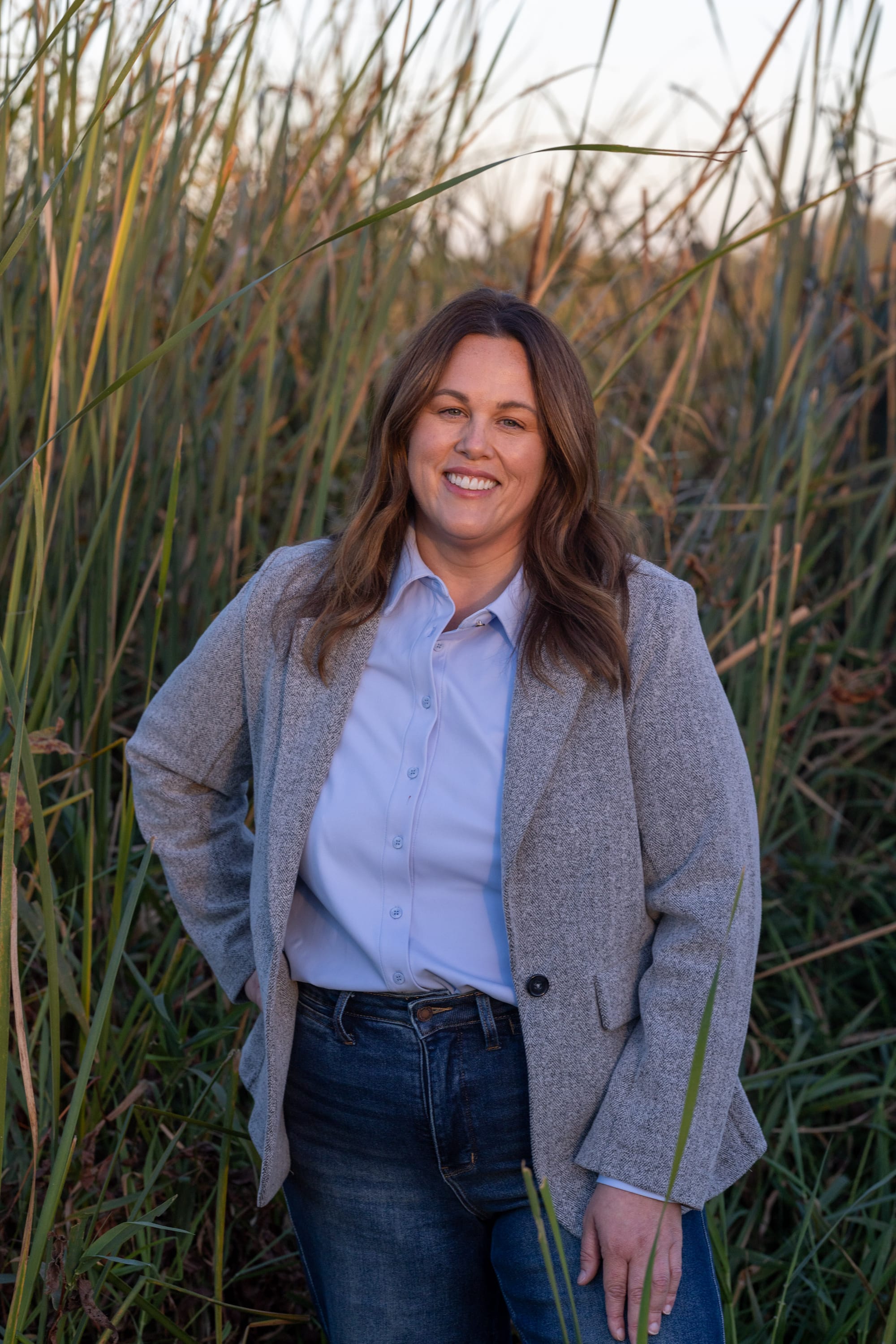
- Age: 46
- Occupation: Marketing manager
- Why are you running for this office?
- "I have been interessted in politics my whole life ... I decided it was time to run when I really found myself just being really disapopitned in the representation that my district had in Pierre.
- "It seemed like there were a lot of 'nos' to thinks that would actually help people. It seemed like the bills that were passed were very self serving – either to (the lawmaker's) own industry or to their personal beliefs, and I wanted to come forth and be a voice of someone who would actually work for people and for people's betterment.
- "I think we need and we deserve better representation. I think families and singles and seniors are all feeling squeezed by the cost of living, and it's not going to get better in the next year."
Megan Tschetter
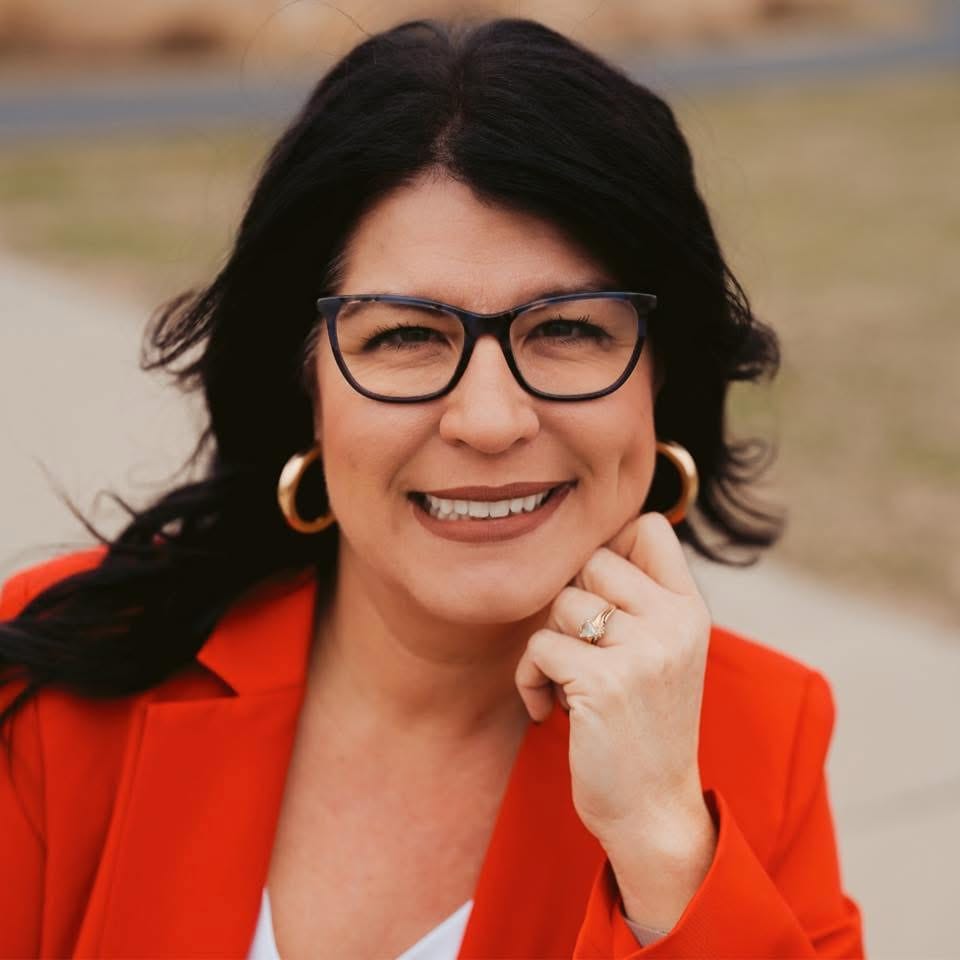
- Age: 49
- Occupation: Small business owner and hairstylist
- Why are you running for this office?
- "I’m a true believer in the constitution, and I’m a believer in 'we the people. And I believe that the government is put there to protect our inalienable rights, not to take them away.
- "So I am running because, number one, there was a need, and I wanted to make sure that small businesses are represented. I know what it's like to walk through life and have all the trials and the things that come against you in life. I know what it’s like to raise a family ... And I'm doing it because I believe that we need true representation of the people."
Tesa Schwans
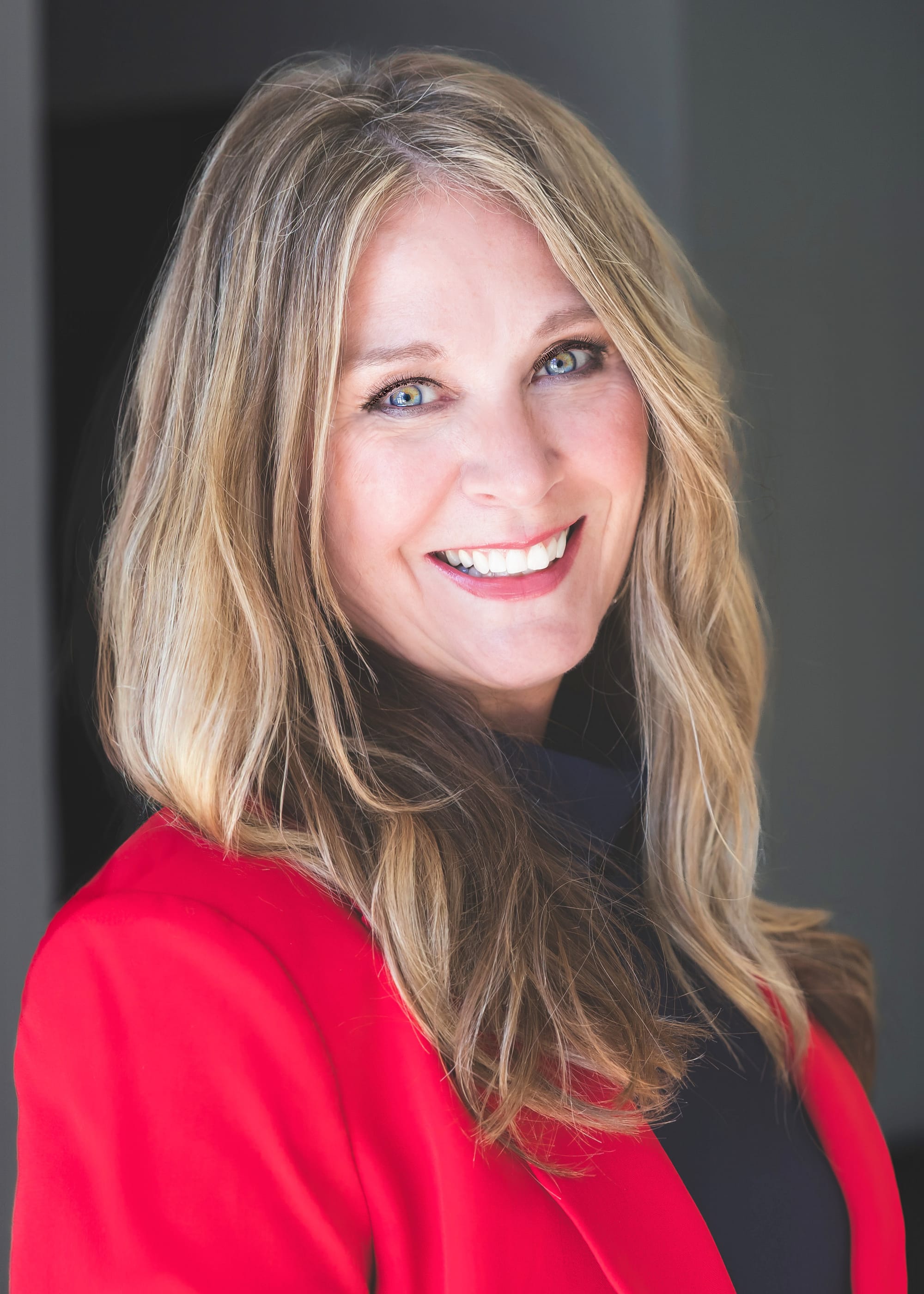
- Age: 56
- Occupation: Self-employed hairdresser and small business owner
- Why are you running for this office?
- "My heritage (in the state) runs very deep – I'm very grounded in South Dakota principles, and as a child I grew up on a farm and ranch in South Dakota. That instilled within me a drive to walk in faith to have confviction to handle things with honesty and integrity and to do the hard work and what it takes to get the job done.
- "One of the reasons (I decided to run) was the voice of the people feeling like they were getting lost or left behind – wanting to stand up for the voice of the people that were feeling voiceless.
- "Number two, obviously, in my district, was property rights.
- "Number three is with Sioux Falls growing – as it grows we want to make sure that we have the growth that's hitting our district be intentional, thoughtful and still grounded in the roots of South Dakota."
Here's how the District 9 candidates responded to a variety of policy questions
Answers are edited for clarity and length.
DATA CENTERS
What are your priorities when it comes to data centers in South Dakota? Do you support data centers, and if so, what, if any, limitations would you put to protect residents from negative impacts?
Potter: "I was the founder of the candidates' data center commitment pledge. That was really my brainchild to say we’re going to put on paper – saying we are concerned about this, and we will commit to doing something about it when we get to Pierre.
- "We are committed to protecting the environment, protecting communities, protecting local control, and no tax incentives, period. I am in favor of really robust regulation for hyperscale data centers – robust to the point of being prohibitive.
- "On a personal level, I don't want them. I do want communities to have local control. If, for example in Milbank they decide that's right for them, I don't feel like I can stand in the way of that. But I do feel like we need to protect all of the people that are going to be affected by it."
Tschetter: "I support data centers if they don't hurt the people. I believe in technology. I believe that we’re full speed ahead. I don't think it's going to go away, and I believe that we should represent the people when it comes to that though.
- "It needs to have parameters. The parameters should be that we need to know up front all the things. We need to know about the water, how much energy it's gonna take, how it's going to affect (resident's) health.
- "I don't believe they should be subsidized from the government."
Schwans noted that District 9 already has a small-scale data center that's been there for years, but she expressed concerns about the hyperscale data centers – particularly when it comes to water and electricity usage.
- "I am against hyperscale data centers, and the reason that I am is because of those issues I just stated. ...
- "That being said, I am a proud supporter of SB 135, the 'data center bill of rights.' It requires data centers with peak usage of 10 MW or greater to cover costs associated with power demands. The state may not preempt or otherwise limit authority of a county or municipality, and it requires data center facilities to notify local water providers."
EDUCATION FUNDING
South Dakota for years has given public schools less funding than required under state law. How big of a priority are public schools and ensuring they’re adequately funded?
Tschetter: "My family has used both public school and home-schooling. I believe that parents should have input in that, but as far as the funding goes, I believe that our schools should have what they need to survive.
- "I believe the formulas should reflect that. Our schools shouldn't suffer, and we shouldn't have programs being cut in our schools. But I also believe the schools need to be taking respoisnbility in that as well and making sure they're not overspending."
Schwans: "The fact that it’s one of the largest items on the budget list — we have money that we’re putting toward the schools. How is it being allocated, and how is it being subdivided out? I would like an audit on that to figure out where the expenditures are broken down into.
- Schwans also noted her work on the Teacher Compensation Review Board and how South Dakota teachers have moved from lowest-paid in the nation to 46th. She also said the hardest part is inflation and balancing being good stewards of tax dollars with protecting "our biggest asset" in schools.
Potter said education funding is her number one priority.
- "The thing that people are not talking about is the fact that when the state does not fund education adequately at 3% or inflation as they're legally obligated to do, they are, in effect handing it down to the taxpayers.
- "Making up that gap becomes the school district's problem, and the only option left is a tax opt out. Over the last year we had a huge discussion about property taxes, but we never talked about the other side of the coin, which is the state has allowed this to happen by underfunding schools. I will be a strong proponent of funding at that 3% or inflation."
SCHOOL CHOICE
Do you support using tax dollars to subsidize private schooling, homeschooling or other school choice initiatives?
Schwans: "I would be in support of having some sort of a voucher put into place so that if there are kids that are having struggles, or if there are kids that are getting left behind in a system that is not willing to address the needs they have, I think it’d be a great opportunity for those kids to get the help that they need on the front end and get the resources they need.
"I, for one, do not want to see kids left behind in the system. For that reason alone, yes, I would be in support of that."
Potter: "I do not. I am fine with school choice, but public dollars for education belong in public education. We cannot sit here and talk about how kids need more from their school but not give schools the resources they need to provide that."
Tschetter: "I’m still learning about all of that ... I think all kids learn uniquely, and I believe that parents need to have whatever’s best for that child. That's why I chose to home-school some kids. I think parents should have liberty to support whatever works best for them.
- "As far as subsidizing, I don't know a lot about it, but I'm willing to learn about it."
CHILDCARE/AFTER-SCHOOL CARE
Do you support using state funds toward preschool/afterschool care and/or childcare?
Potter: "I do, and the reason why is because we have seen literature and data that it pays itself back in multiple.
- "The other reason I support investing in early childhood education and daycare is because it supports working families. ... A lot of times that childcare payment is more than your mortgage. In a time when families are getting squeezed in all sides, I think that is one lever the state can pull to truly help people and make a big difference for a lot of people."
Tschetter: "I’m always careful about funding when it comes to the government supporting the people. I believe that if it taxes the people or hurts the people, no.
- "I guess if the funding was there, I would be willing to look at it. As far as paying for it, I’m not so sure about that I would have to learn more about that."
Schwans: "I would support the funding being used for preschool care.
- "After-school care is just hard because then some people receive it and some people don’t, so it’s hard to be fair with that.
- "With preschool, I would definitely be a proponent of something like that to get children into a structured learning environment earlier on so that they have resources given to them for what they’re going to need for school."
PROPERTY TAXES
Are property taxes a problem in South Dakota? And how do you weigh the needs of the taxpayers with the needs of local governments to provide essential services?
Tschetter: "Families need real relief, and the cost of living is not going down.
- "I know that there were so many bills last year that came for property taxes and we all know that only very little was passed for that relief. At least there was something, but I believe that we need to reduce spending and return savings to the people rather than shifting the burden to other taxes.
- "I will do everything in my power. I’m only one vote, but I will do everything in my power to help the people in that area because I know it's a real burden on people."
Schwans detailed two bills past in the 2026 legislative session – SB 96 and SB 245 – the former which allowed counties to increase sales tax to provide property tax relief, and the latter which sunset sales tax relief.
- "It's important to say that constituents across the state had different opinions. That's why SB 96 is optional for counties to opt into. Some counties aren't seeing as much of a squeeze as other counties."
- She also noted the various property tax relief programs people can apply for if they are elderly, disabled, veterans, etc.
Potter: "I am not here to tell anyone that the pain they are feeling is not real. If we have a majority of people saying, 'Property tax is hurting me,' then property taxes are hurting them.
- "Insurance and property taxes are all rolled into one mortgage payment, typically. A lot of times, people are seeing their mortgage payment going up, escrow going up – sometimes it is because insurance is skyrocketing. ... I wonder if sometimes the insurance is a part of that to.
- "That said, once again, I think the state not fully funding education is affecting people in a way they don't see because it comes to opt outs and (higher) property taxes. That is the number one way the state should be helping people is making sure the state is paying their fair share like they are legally obligated to do."
BUDGET
As in any budget scenario, the needs and wants of South Dakotans are greater than what the state spends on helping them. What’s your philosophy when it comes to the state budget, the amount of money in reserves and who should benefit from the tax dollars we all pay?
Schwans: "You want to have a balance between how much is depending on government subsidies and how much is really dependent on growth and development within South Dakota in an intentional and good way.
- "I think South Dakota has been fiscally responsible in balancing our budget. There’s always going to be some pros and cons to the budget – things people agree with and things people don’t agree with.
- "I think the great thing we can say is South Dakota has balanced our budget, and we’re very fiscally responsible in our intentions and doing good for citizens in a responsible way."
Potter: "That’s our money, and that money should be spent to help the average citizen, or it should come back to the average citizen. That's how I feel.
- "There are a lot of times it disappears into a black hole, or it becomes part of this gigantic reserve that is not getting spent.
- "I believe in fiscal responsibility. I believe in saving for a rainy day, but at some point it goes beyond saving for a rainy day, and it becomes hoarding. I think we can be doing more to help families, to help seniors, to help single people who are really struggling right now."
Tschetter: "I think we really need to look closely at where the state spends the money and whether it's working.
- "We need to cut waste and unnecessary spending, and we need to return savings to the people instead of finding new ways to spend them. I’m not a big proponent of finding new ways to spend the money."
MEDICAID
South Dakota voters supported medicaid expansion in 2023 – Do you think they made the right choice? How will/will you support ongoing access to healthcare for vulnerable residents and ensuring providers are adequately funded?
Potter: "I do support it, and I think it is such a huge and important part of rural healthcare and making sure that we do have providers and facilities in our rural areas.
- "People should not have to drive multiple hours for care or to have a baby, but that's what's happening. It's really important that we not only keep medicaid expansion, but also make sure that, maybe, we look at strengthening it even more.
- "Making sure that providers can afford to stay in smaller communities and facilities can continue to stay open is such an important priority."
Tschetter: "As far as the government, I think they should protect our rights. And while people have the initiative to work and prosper, when they truly need help, I think we need to look at that.
- "But we also need to look at whether the expansion is sustainable. If it's not sustainable where are the funds going to come from? Is it going to fall on the state? We have to live within our means.
- "I’m probably always going to be a little conservative on that idea, but I also understand there are real needs and real people suffering, and I don't that's right either. I will always support the will of the people."
Schwans: "I think it was for the best of intentions to make sure that the people that are the most vulnerable are getting the help that they need.
- "I think, overall, medicaid expansion is something that helps the vulnerable and helps keep people in an area to where they can have a certain lifestyle.
- "But I still believe in the quality of work, and I do think that it shouldn't be something we just depend on, but it should be something that's incentivized. ... I think it's a very delicate balance."
ELECTIONS
What, if any, changes do you want to see the state make when it comes to absentee voting, voter registration, voter ID laws and elections in general?
Tschetter: "I will always stand with election integrity. I was highly concerned to find out that we had people voting from PMBs (private mailboxes).
- "That's highly concerning to me, and I would like to see that that kind of thing is not happening. I believe you should be a resident with a verifiable address of the state of South Dakota to vote in our elections.
- "As far as the early voting, it could stand to be shortened a little bit without taking away people’s rights to vote."
Schwans: "The election process in South Dakota has always been very transparent, and a lot of people think, 'Oh, it's mostly a red state and mostly Republican and not very many Democrats,' but I do think the primary process is really important to keep the integrity in and to have those particular parties picking their particular candidates. ...
- "Election integrity is a big part of what has come across legislation in recent years. One of the bills we passed is that you should be a U.S. citizen and South Dakota citizen to vote in our elections, and I support that."
Potter mentioned the ongoing conversation in the South Dakota Secretary of State race about hand-counting.
- "There is no other type of job where doing something by hand with human power is seen as more accurate than using a machine. In accounting we’re using software. We’re not using paper ledgers because we know there's human error. ...
- "If we don't think they're secure, if we’re worried about that, then we need to spend money into upgrading security. The answer is not going to hand counting. That just makes everything worse.
- "For us to have a Secretary of State candidate who is a proponent of that is just preposterous."
OPEN PRIMARIES
Is it time for open primaries in South Dakota?
Schwans: "No."
- She also outlined plans to present a SAFE Act (Secure, Accurate, Fair, Elections) next session, if elected.
Potter: "I would love to see open primaries. I think the debacle that we saw in the Republican primary for governor and all the people switching so that they could participate in the primary just shows us that we do need open primaries. If you think that there's some kind of integrity in having a closed primary, there isn't because people will switch."
Tschetter: "No. I think we should protect our parties and the Republican platform should stay the Republican platform."
ECONOMIC DEVELOPMENT
How does economic development factor into your list of policy priorities? What role do you think the state should play in supporting existing businesses and attracting new businesses/industries?
Potter: "I would really like to see emphasis on small business and homegrown enterprise, supporting local communities for knowing what's best as far as business in their local community.
- "I would love to see more emphasis on that and less on trying to attract national or global brands or entities. Times are hard for everyone, so to try to start a small business or grow your business during this time is so prohibitive. I think it’d be better to invest in them rather than a multinational company."
Tschetter: "I want growth, but I would like responsible growth. Growth should benefit the people who already live here. I don't believe that outsiders should come in and hurt the people who already live here.
- I will always support business and economic development as long as it is good for the people that live here."
Schwans: "I think economic growth is good, but it's best when there's money for people to spend.
- "I think that Main Street South Dakota has been suffering. I think that small businesses have been suffering in South Dakota. I am a small business owner, and so growth to me should happen organically and intentionally, and it should always be with the best interest of the people that it's going to serve and not one group of people but many groups of people.
- "I think that it's hard for the government to pick winners and losers, and for me economic development should always be very intentional, very thought-through, and that the money is going to, in the end, benefit the people. I believe in organic growth, responsible growth, job-creating growth, and supporting small business."
CRIMINAL JUSTICE
What policies do you want to see enacted to support re-entry and reduce recidivism – especially in light of the new prison being built in Sioux Falls?
Tschetter: "I think we should keep our community safe and hold people accountable. I’m not against that.
- "But I also believe that these prisoners need purpose, and, for those that are willing, I think they need a spiritual foundation. They need hands-on job training which can help rebuild a better life when they get out of prison."
- Tschetter also noted the vicious cycle people can get into when they don't have a "purpose" or self-confidence. Creating programs for job-training can help them break that cycle.
Schwans noted her participation in a legislative task force focused on prison rehabilitation and how it's "getting to some solutions."
- "The task force goal is (identifying) what are the needs of the inmate population, understanding the options of programs for special cultures within the prison systems, to study best practices for re-entry to make recommendations for the space utilization and to improve the re-entry and recidivism rate."
Potter: "We have a high recidivism rate, and we have seen the dangers in the last year or two of allowing people to reenter the community when they haven't had the proper reentry or recidivism training.
- "I really think that for the amount that we were forced to spend on a new prison facility, we should also be spending – I’m not gonna say equal amount – but a fair amount for proven recidivism and re-entry training.
- "I say proven because I don't want it to be something that someone just feels good about because it's in line with their personal belief. I want it to be something that has been shown to work and evidence-based."
TRANSPARENCY
How do you plan to seek input from your constituents? What’s the best way for people to reach you with their feedback?
Schwans: "Everything that I hand out has my personal number on there.
- "I don't have two separate phones. I have one phone, and it's for my business and legislation, so my phone is with me all the time. They can also contact me on my legislative email: tesa.schwans@sdlegislature.gov."
Potter: "I’m everywhere. I’m a marketer. I'm on social media. I have my email and phone on all my literature.
- "I welcome feedback, and I also plan to do town halls and coffees. I know the League of Women Voters does wonderful coffees during session, and sadly, a lot of time, reps don't show up.
- "That will not be me. I plan to be there. I plan to be an active participant in all of this, and I plan to truly be a public servant."
Tschetter: "I’m an open book. I’m always available, and the best way to reach me is probably by phone or they can reach me on social media. I have a Facebook page."
What happens next?
Election Day is Nov. 3.
You can check your voter registration on the Secretary of State's voter information portal. The voter registration deadline is Oct. 19.