Editor's note: This is one in a series of voter guides ahead of the Nov. 3 election. To find your district, you can type your address into this interactive map on the state legislature's website.
Simplified: District 11 sits west of Interstate 29 and east of Tea/Ellis Road between 57th and 12th Streets. Six candidates are looking to represent this geographically small but populous district, and both house and senate seats are contested. Voters will elect one senator and two representatives.
What to expect
- This (extremely long) article will introduce you to all of the candidates running to represent District 11.
- All candidates answered the same slate of questions – compiled with input from Sioux Falls Simplified readers – which should allow you to easily compare and find the candidates that most closely align with your personal political views.
- Topics include:
- Data centers
- Education funding
- School choice
- Childcare
- Property taxes
- State budget
- Medicaid expansion
- Elections
- Open primaries
- Economic development
- Criminal justice
- And transparency
- Topics include:
- Candidates spoke directly to Sioux Falls Simplified in face-to-face interviews that were then transcribed and summarized. No candidates had access to the questions ahead of time.
- This careful methodology ensures that no candidate could rely on artificial intelligence or other third-party resources to craft their responses – something only guaranteed by a conversation.
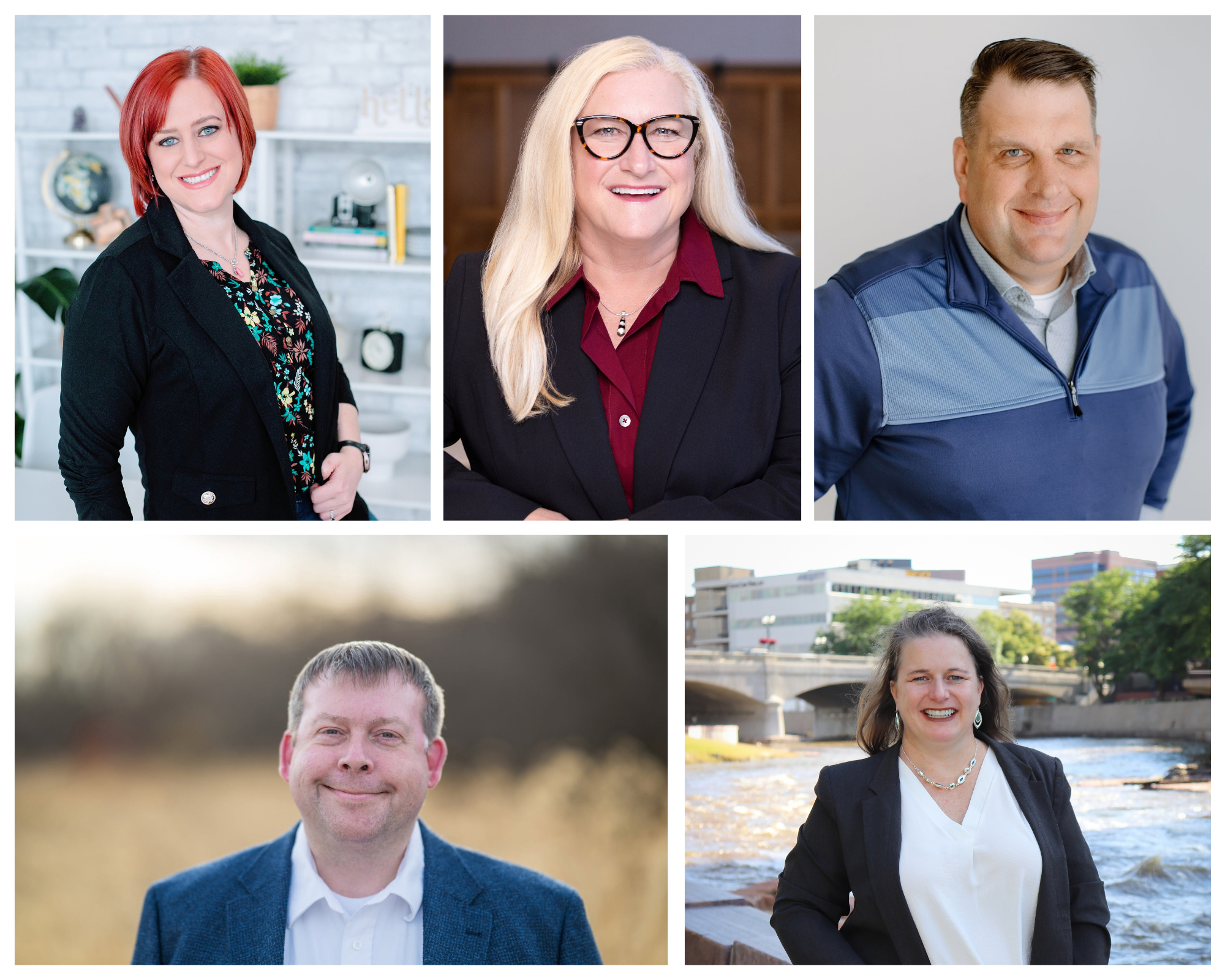
Meet the candidates
Candidates are listed in alphabetical order and then rotating throughout the Q&A.
Chris Karr (Senate)
Karr did not respond to multiple requests for an interview, including emails and phone calls.
Aaron Matson (Senate)
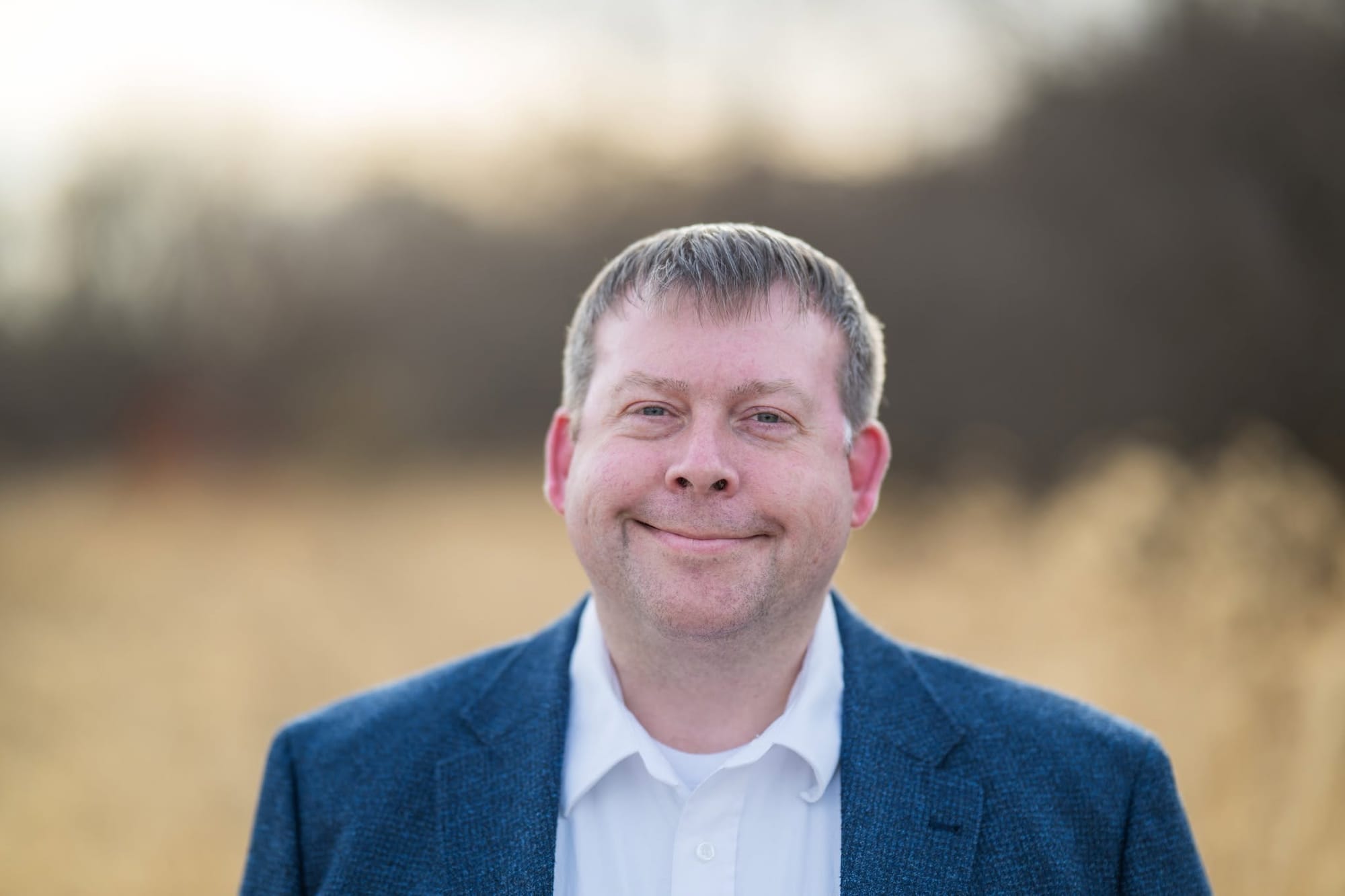
- Age: 46
- Occupation: Pastor
- Why are you running for this office?
- "I’m a fourth generation South Dakotan. I love this state, and I think the past few years we've just kind of gone away from the kind of neighborliness and friendliness in our state – and at least in the legislature ... Once we restore that we can really tackle the challenges we face as a state.
- "Being a pastor, I have a strong sense of public service and a strong sense to serve my neighbor, and this is one more way to do that."
Brian Mulder (House)
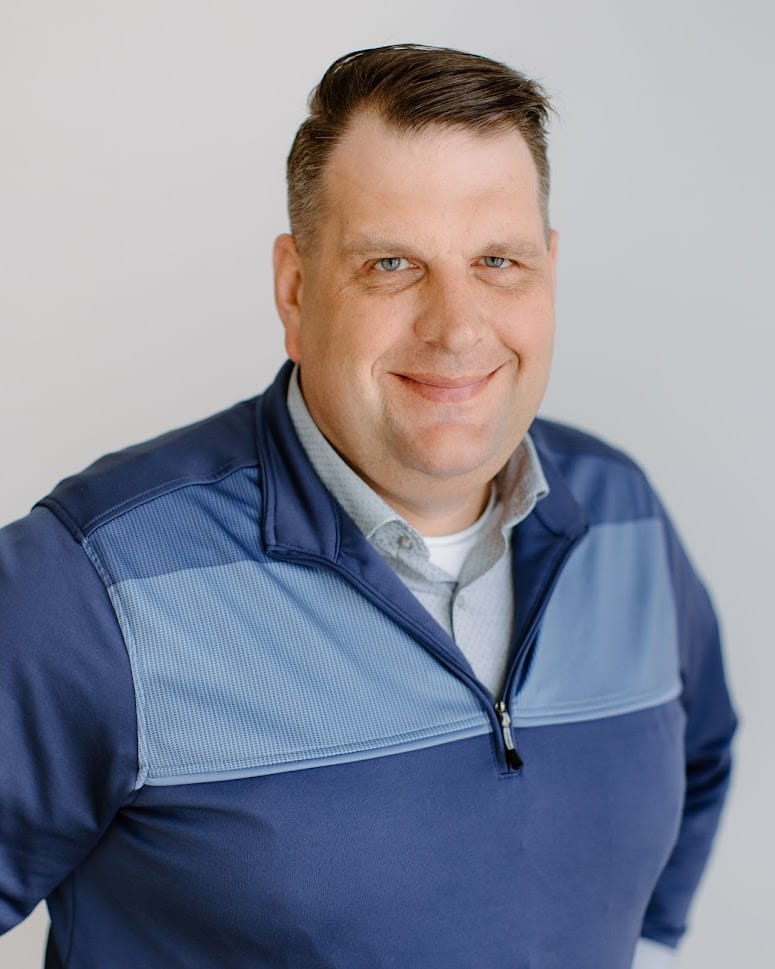
- Age: 50
- Occupation: Managing director at Volunteers of America Dakotas
- Why are you running for this office?
- "I continue to run to serve my community and the west side of Sioux Falls. A big part of what got me into running two terms ago was to be an advocate for nonprofit services in our state and for vulnerable individuals especially elderly population and those living with intellectual disabilities."
- Mulder also emphasized his goals of promoting public safety, fighting for city and state infrastructure, supporting essential services and continuing to be an advocate for vulnerable people, the elderly and people with disabilities and continuing to be a voice and advocating for public school education.
Sonja Mentzer (House)
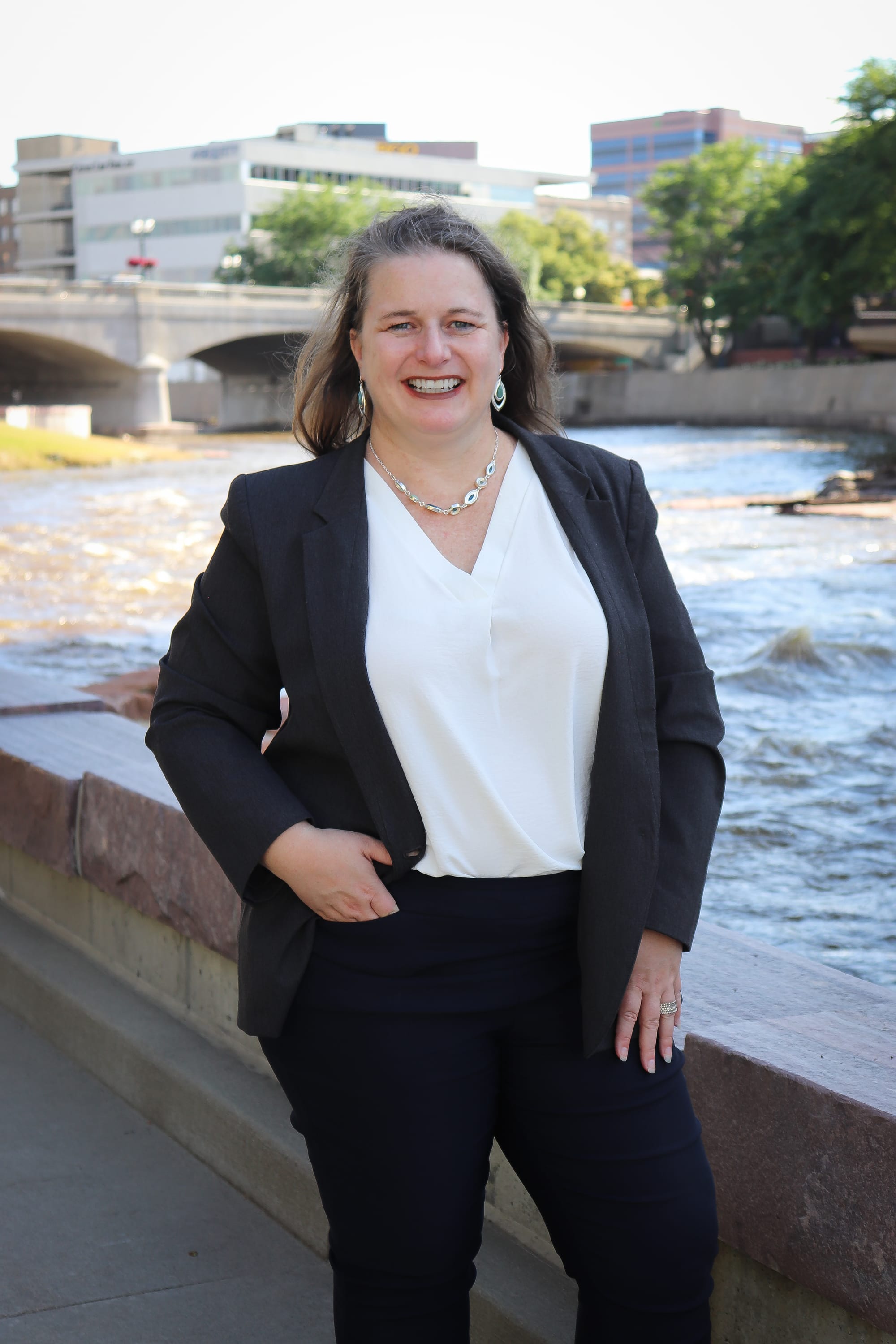
- Age: 47
- Occupation: Director of operations for Wheelchair Express
- Why are you running for this office?
- Mentzer said she was compelled to run after seeing nursing homes close across the state.
- "I was frustrated," she said. "I feel like I could do a better job. I tried reaching out through email on a couple other bills that were floating through and didn't get responses.
- "I felt like if you're going to represent us, you should respond to emails – even if you don't agree. And (I got) so just incredibly frustrated and felt like, I guess I need to go in there and do it myself."
Tracey Quint (House)
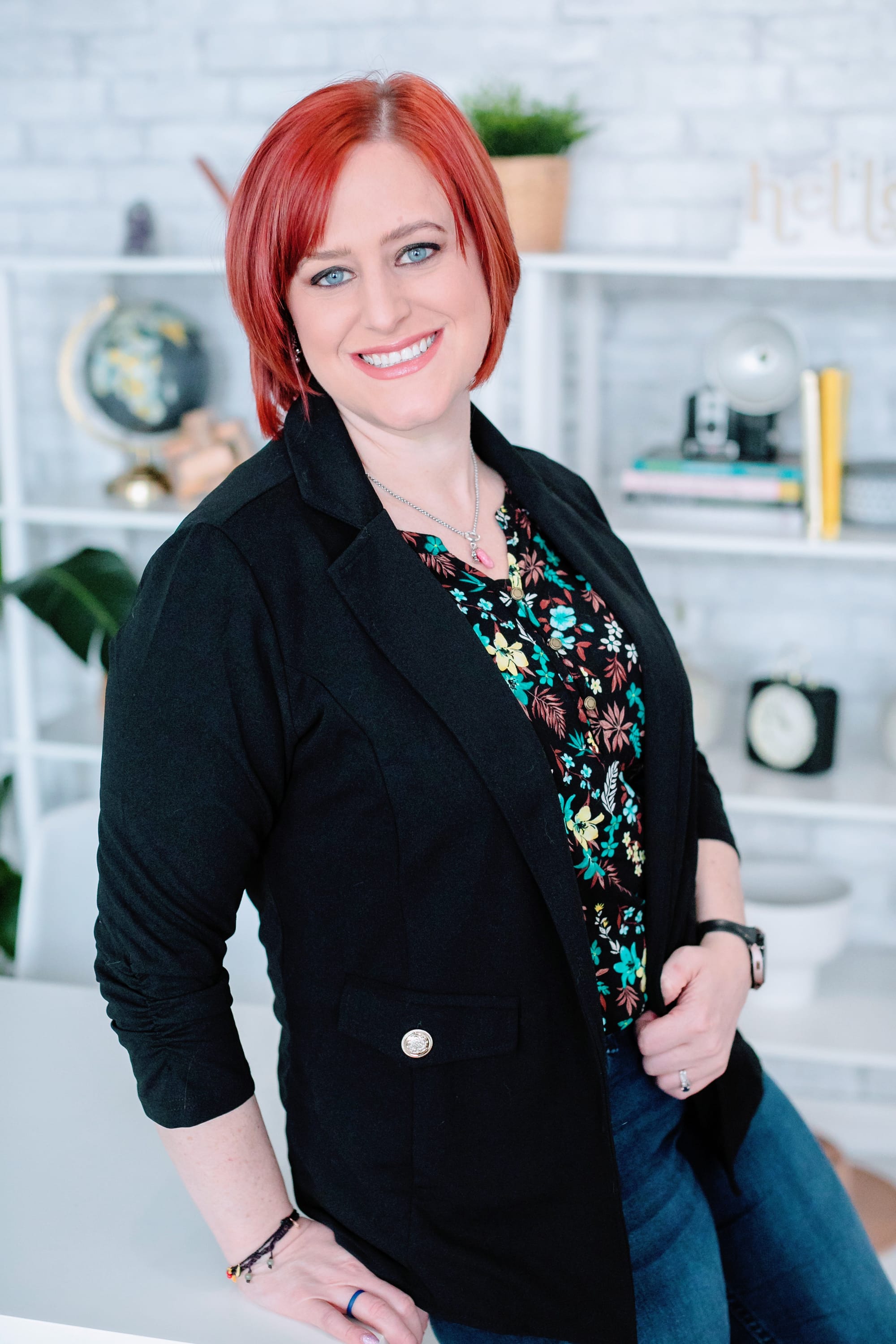
- Age: 40
- Occupation: Event coordinator and DJ
- Why are you running for this office?
- "The short and long of it is I’ve been involved with the Libertarian Party of South Dakota basically since I moved up here in 2016.
- "I was raised in the quintessential Republican midwest household, and as I grew up I felt like neither one of the major parties represented me anymore.
- "I feel like a lot of people are in that area of frustration right now – feeling unrepresented by the major parties. This gives people a third option, even if we feel like maybe we’re guaranteed not to win an election. But it at least makes people think about the issues differently. I hope I can at least bring some light to that."
Keri K. Weems (House)
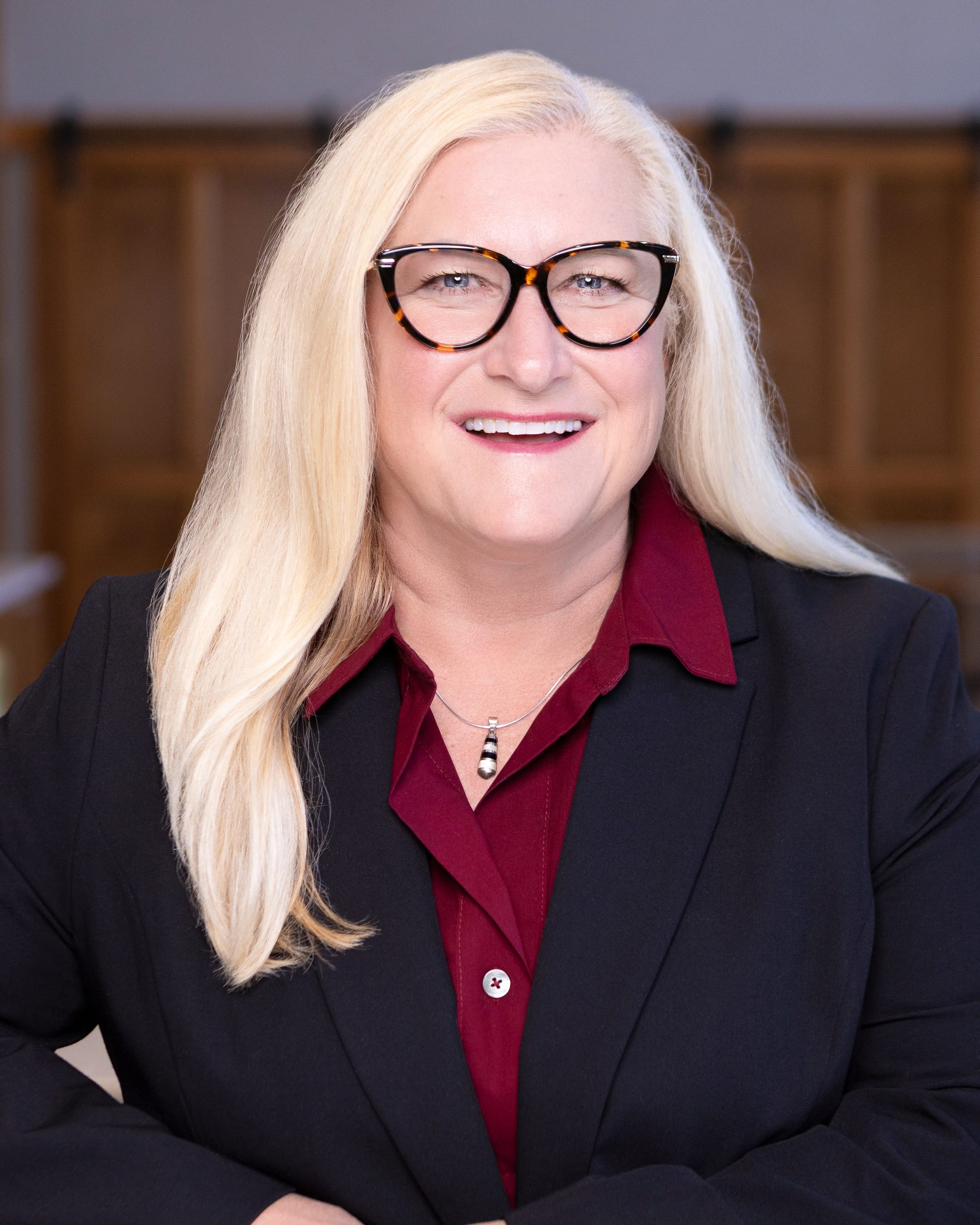
- Age: 60
- Occupation: Business consultant and independent contractor
- Why are you running for this office?
- "I believe in public service. I started my public service career when I was much younger and served as deputy mayor and city councilor in Brookings – that's where I got my first start.
- "Then I served in the legislature 2003 to 2008 and then left the legislature in '08 to raise my family, and I kept saying, 'Someday, if you guys mess this up, I’m coming back. I chose to come back two years ago.
- "It’s really about the people of South Dakota, our great state, keeping it the way it is and also just continuing to prepare for our children and grandchildren."
Here's how the District 11 candidates responded to a variety of policy questions
Answers are edited for clarity and length.
DATA CENTERS
What are your priorities when it comes to data centers in South Dakota? Do you support data centers, and if so, what, if any, limitations would you put to protect residents from negative impacts?
Karr (Senate) : Did not respond to request for comment.
Matson (Senate): "I’ll say I’m skeptical of hyperscale data centers. My impression from what I’ve gathered from what I’ve heard knocking doors and news stories I’ve read is that they take a lot out of communities and don’t put a whole lot back in – including using water resources and electrical resources. ...
- "I would want to put in safeguards to make sure that citizens are protected from any losses of resources and any increases in pricing. Another place I’m coming from is I’m not against tech advancement. But with a lot of stories coming out now about the dangers of AI, I think it’s worth taking time to ask ourselves why."
Mulder (House): " I would say it this way. I did vote in support for the data center bill of rights for citizens in the last session. I supported that piece of legislation.
- "I don't want to sound like I'm sitting on the fence, but I'm indifferent to the projects. I'm not 100% against data centers, but at the same time I believe that they need to pay their own way, need to assure costs aren't going to go up for citizens, and resources aren't going to be taken away from citizens.
- "For that, they'd be welcome in communities that want the economic development. I think for communities that want those things we should find a way for them to exist without hurting state resources overall."
Mentzer (House): "We definitely need guardrails in place so our communities are not left with the cleanup and aftermath of these data centers. We need to protect our natural resources.
- "I would love to see a number of hoops that maybe big data centers don’t want to come in that should protect South Dakota.
- "I’m not against economic development. I would love for some kind of opportunity in tech or any other kind of realm to come in, but these are coming in fast and furious and they’re doing it by design. I am very skeptical when I see the big money that is coming behind them."
Quint (House): "I feel like there’s a lot of research that needs to go into what the environmental impacts really are and what we can do to offset those if we decide they are viable for our areas. ...
- "We need to really look into what the actual data is for how those affect people and what we can do to offset those. I’ve seen so many differing opinions on that, and I would really want to dig even further into whether that actually exists before I could say, “Yeah, this is a good thing,” or, “Absolutely not.”
Weems (House) said she have a business that used a small-scale data center in Brookings, and she appreciates the importance of them.
- "It’s a really important thing for industry as AI advances. It’s important for our nation to make sure that we have them all in the U.S.
- "Talking specifically about South Dakota, I am for the development of data centers, but also protecting people, protecting the water, protecting the electricity.
- "And so I would like to see advancement but with a conservative approach in protecting people. I really don’t think data centers want to be close to houses. I think they don’t want to be bad neighbors, and so if we can continue to structure it so they’re not bad neighbors, that would be wonderful."
EDUCATION FUNDING
South Dakota for years has given public schools less funding than required under state law. How big of a priority are public schools and ensuring they’re adequately funded?
Matson (Senate): "I think it’s awful that the Legislature’s been not following their own law for so many years now.
- "I know I would just be one legislator, but I would use all the tools that I could to make sure the law was followed. I’m a son of two public school teachers, so education is a huge priority for me. ...
- "Hopefully there’d be common ground across the aisle with all sorts of legislators that our children are our most important resource in the state, and we need to do whatever we can to help them thrive and be successful. I don’t think our students have to settle for less. I think they could have a world-class education."
Mulder (House): "I think it’s just a priority. We have to look when it comes to setting our state budget. I've advocated for fully funding the 3% that’s set in statute for our public education.
- "The whole idea of that is we should pay our obligations and what we said we’re going to pay for before we go and build shiny new projects or put money toward shiny new things.
- "It'd be a priority for me, but at the same time finding those opportunities to grow our state economy and bringing the tax dollars that would fund us at that 3%. ... we have to find those opportunities and work with good-faith partners to find those revenue sources."
Mentzer (House): "We need to fund education first. It should be the first line (in the budget). The state passed its own bill to fund the big three at their requirements, and I think we need to make that the priority and then work on everything else."
Quint (House): "I think obviously education is a huge issue and extremely important to me.
- "Knowing how far behind we are with education funding here in South Dakota, I think it’s just taking a look at where our budget is and what we can move around and how we can make sure that our children are being educated the way we want them to be.
- "Not being immersed in it at the moment, it’s hard for me to say where that funding is going to come from, but I do want to look at ways that we can offset the cost and what we can do to look at different avenues to make sure our kids are educated."
Weems (House): "Here’s the deal with public schools – we need to be able to have a strong education system for our kids and our grandkids and for the future. Eighty-five percent of parents choose to send their kids to public school.
- "So when you’re talking about funding it and not hitting the levels that have been put in place in the past, the real issue is we have a formula that we follow and then we try and hit the 3% and that’s always a challenge depending on where we come in with our money, and you never find that out until the end of session. It takes a while to figure all of that out.
- "From my standpoint I really think we need to look at what we are doing. Is the special ed formula appropriate? Is there anything we can do for special education? That’s where I would love to start to look to see if we can make that appropriate."
Karr (Senate) : Did not respond to request for comment.
SCHOOL CHOICE
Do you support using tax dollars to subsidize private schooling, homeschooling or other school choice initiatives?
Mulder (House): "I haven't gotten there yet, just because again we haven't reached our full potential just with our basic school systems, so that's why I have not reached doing that.
- "Understanding the community I represent and my district, I did not stand in the way. I did support the president's tax credit that we had to approve as a state toward homeschool or private school options ... but until we fund our school system that we have right now I can't get there quite yet."
Mentzer (House): "No. I think public tax dollars should go to public schools."
Quint (House): "One of the issues that I did kind of get involved in and start researching a little bit was public charter schools. I don’t necessarily support funding private schools, but if we can initiate something around public charter schools so kids are learning the way that they learn best ... I do support that."
Weems (House): "I think if there’s any funding mechanism that we have, there has to be accountability. I know there are some people who battle that, but I really think accountability isn’t something to fear – but something to make you better.
- "I am not for fully funding private schools or homeschoolers, but I think I would be open to something that might cover curriculum or things like that."
Karr (Senate) : Did not respond to request for comment.
Matson (Senate): "No, I don’t. If people want to do that, that’s their choice, but I don’t think public money should be used for private education."
CHILDCARE/AFTER-SCHOOL CARE
Do you support using state funds toward preschool/afterschool care and/or childcare?
Mentzer (House): "Yes. I think it can be done in a variety of ways. It does not have to be 100% funded, but it can certainly be an assist or partial payment to help in coordination maybe with some other private or employment or other school building facilities to help make those things happen. There could be some cooperation between some different entities."
Quint (House): "That’s such a hard question to answer directly because I think there are so many different layers of that.
- "But I know that supporting pre-K and preschool is such an important element of making sure kids are ready for public elementary school. I think that yes, if we can find a way to do that, supporting parents who are working and making sure childcare is available for them is an important step to making sure kids are ready for life as they get older.
- "Finding ways to support them, finding tax dollars if they’re available to support them, is definitely an important aspect for a lot of working families, and in this economy it’s a hard thing to find. I think looking for ways that we can support parents is important."
Weems (House) cited the number of daycares that have closed and how much the industry has changed since she was raising her children.
- "I would support, and in fact we had a bill that allowed for childcare for children of employees. I (would also support) some way that we can make sure the workforce is there and that childcare spaces are available. I hear stories all the time about how people need to lock in a childcare facility right after they find out they’re pregnant. That’s a problem.
- " I have done a 360 on preschool. I wasn’t for preschool when my kids were young, but now I see a lot of the benefits and what our children learn early on. I am a supporter of preschool, and I think that’s really, really important to set our kids off on a good foot and to get them going. The earlier we can get them learning and growing, the better.
Karr (Senate) : Did not respond to request for comment.
Matson (Senate): "Yes. We’re one of just a handful of states that don’t have state funding for those programs, so I think it’s time we catch up.
- "My thought is our children are our most important resource. We need to do whatever we can – with pre-K, with childcare and after-school programs – to make sure they have a great educational experience as young people growing and developing. We need to use every tool we can to make sure they’re successful."
Mulder (House): "I've supported bills like that in the past. Just recently I was involved in talking to the Department Secretary of Social Services about adjusting the childcare assistance rates for the out-of-school-time programs in Sioux Falls. They were just released, and we had to adjust quickly to make up a deficit. Again, our first obligation should be the standard of the 3% in our public schools before we add more and more."
PROPERTY TAXES
Are property taxes a problem in South Dakota? And how do you weigh the needs of the taxpayers with the needs of local governments to provide essential services?
Quint (House): "I agree the tax issue is a huge one, especially for residents of South Dakota. It does get to a point where it’s hard to make that payment.
- "I think something we need to look at is corporations and people that own land here in South Dakota that don’t necessarily have a stake in it. (For example, this isn’t their main place, this is their vacation home, or they own an apartment building but manage from California. Instead of giving tax breaks to those kinds of corporations, maybe that’s where some of the tax relief for actual citizens needs to come from so we’re supporting people that live here and make South Dakota what it is every day."
Weems (House): "Property taxes are really an interesting topic because they’ve been the basis of our tax structure for such a long time. It’s sales tax, excise tax, it is property tax.
- "And part of the problem with property tax is people love the idea of reducing that, but they fund counties and schools. So you have to think of all the things that are involved in counties and schools, and what are you willing to give up. What would you have to do to replace the income? Because that is the million-dollar question.
- "There is no real good answer to replacing that income. We still need our county jail, we still need our county roads snowplowed and taken care of. We still need to have our cities taken care of, and we need to have schools."
Karr (Senate) : Did not respond to request for comment.
Matson (Senate): "Yeah, I think it seems like there are some places in South Dakota where it’s a big issue and a big problem, and we need to work on that. We need to find a way that everybody is included and not just some.
- "With tax relief and property tax and even some sales tax relief, which some of the Democratic caucus was talking about last session, (we should) make sure that all South Dakotans have some kind of relief.
- "It is always a balance ... As a legislator my job would be to be in conversation with individual citizens, city and county governments, and the different stakeholders to find a way that attempts to try to find some common ground on this and to better work together."
Mulder (House): "The funny thing is that when I went door to door this primary season, I didn't have one person in my neighborhood bring up property taxes. Not one.
- "A lot has been made of property taxes in the political conversation. It's hard for me to determine how great of a need it is for us to do any more than we've already done or what the legislature's already done."
Mentzer (House): "That’s exactly it – there needs to be a balance.
- "I talked to a county employee just two days ago regarding property taxes and as they were stating, it seems to be this very easy thing to cry and complain about. But as she’s telling me, do you know how many people call the county to have their property reassessed or talk to us about it? None – it’s not happening.
- "There’s no fat to trim (in county budgets). As much as I think it’s easy to complain about, and we could probably look at how (property tax) is assessed. I just don’t think that it’s realistic to eliminate or drop them significantly. The counties are left with so much to be in charge of, and those services really are essential."
BUDGET
As in any budget scenario, the needs and wants of South Dakotans are greater than what the state spends on helping them. What’s your philosophy when it comes to the state budget, the amount of money in reserves and who should benefit from the tax dollars we all pay?
Weems (House): "From a budget standpoint I believe we need to have reserves; I think that’s really, really important. ...
- "Medicaid spending is way above. We need to make sure we can take care of people. Government is designed to take care of those who can’t take care of themselves ...
- I think the budget first and foremost should fulfill those things. And then if there’s anything left over, we should focus on issues that are going to help the general state as a whole. Passions that I have: I think education’s really important. I think taking care of our people from a health standpoint is really important. We have some things going on in our state that need to be addressed that we could be performing better on, but overall, let’s face it. It is a great state."
Karr (Senate) : Did not respond to request for comment.
Matson (Senate): "That is a big question. Obviously you have the big three that you hear about a lot during session – schools, state employees and health providers. My philosophy is South Dakota is us. It's the citizens, and so our budget should reflect our priorities including the big three and other things.
- "What are our needs for public goods, and how can we achieve the goals we have together to have the kind of South Dakota we want? The kind of schools, roads and public services we want? That’s the way I approach it. It’s easy to talk about bureaucrats just spending money, and not all public servants are good. There are some bad actors. But by and large public money is for the public good."
Mulder (House): "I think for me it boils down to three simple things:
- Education: It's a primary job of government to provide that education.
- It's a primary job of government to take care of vulnerable citizens in our community – truly that elderly, aging population that do not have the support in their later use to end-of-life support. And then people with intellectual and developmental disabilities.
- And then it's the essential services of public safety and roads and bridges.
- "That's government to me – a small, efficient government taking care of those priorities before we take on any other priorities. That's what I view as what our budget should cover and support."
- Mulder also outlined his plan to take unspent money from the prior budget year and split it between education, medicaid providers, and state government priorities.
Mentzer (House): "I think our priorities have been to try to stockpile a reserve ... at the same time I think we’re missing so many needs of our state and our individuals here. I think our priorities need to come back to people of South Dakota, and what are the needs and the struggles of the people here.
- "We’re not doing ourselves any favors by collecting tax dollars and then not using it to invest in our state and in the individuals here."
Quint (House): "I think the first person that should benefit from the tax dollars and from whatever budget we come up with is the residents of South Dakota.
- "As a Libertarian, I believe that we should be making sure that whatever funding people are paying into the government is being used in the best possible way. If there’s a way to reduce that burden for the everyday citizen, by all means let’s make sure we can do that for them and make sure we are using the money in the best possible way. ... Make sure money goes to make our own lives better."
MEDICAID
South Dakota voters supported medicaid expansion in 2023 – Do you think they made the right choice? How will/will you support ongoing access to healthcare for vulnerable residents and ensuring providers are adequately funded?
Karr (Senate) : Did not respond to request for comment.
Matson (Senate): "I do think they made the right choice, and I think we need a budget that reflects the will of the voters.
- "If you talk about putting like 12% in reserves, that’s not helpful for the citizens. Facing a choice like that or providing healthcare for people, we should provide healthcare for people.
- "I’m a novice when it comes to state appropriations, so I’d need to defer to members of the committee on how to make that happen, but it would be a priority for me to make that all happen and to work together on how we can make that happen."
Mulder (House): "I've been advocating for 100% funding for providers when it's possible, but I understand the dollar amount and what that would take. When we fund them ... let's just make sure providers get paid for what they're doing. That'd be the idea.
- "My struggle with the Medicaid expansion that we did here in South Dakota ... I didn't support that personally on the ballot because I don't like it in the constitution and where it's at. There's a big cost to that where we're going. We've seen what it's done to our state budget. But Medicaid is support – use of those dollars is for the most vulnerable of our population centers and making sure they're getting funded first."
Mentzer (House): "We depend in South Dakota on a public-private partnership for private companies to provide those services, not just companies like mine but hospitals, clinics, dentists across the state.
- "We have to reimburse them adequately so that they stay open. We’re not doing any good if we can’t pay a fair compensation to the dentists and the doctors. They’ll close up or stop being providers, and then we can have vast deserts of non-Medicaid-available services across the state.
- "Access is one of the biggest barriers. Every single day I’m talking to people trying to figure out how they can get to their doctor appointment because they don’t have access, don’t have their own car, can’t afford a private company. And we’re in Sioux Falls."
Quint (House): "I do believe that everybody should have access to healthcare, and making sure that it’s funded is going to be one of the most difficult aspects of that.
- "One of the things I’ve always been a believer in is we need to overhaul our healthcare system in some way or another. ... What are we doing to make sure that costs of medical procedures themselves are staying low? Why has the cost of medicine in the U.S. ballooned so much so that the average person goes into debt because of a medical emergency? What are some ways that we can offset that?
- "It's probably not something I can even touch in a district seat. But, in the meantime, making sure that funding is there and working on redistributing the budget as needed to make sure people are getting the healthcare and the Medicaid they need is important."
Weems (House): "That’s a really challenging question because the voters voted for Medicaid expansion, and so we should do everything we can to make that a feasible program. But, then again, at the national level, we don’t get to make the decisions what comes to us, so those are some challenges that we will have to deal with.
- "I’m really glad that we have the rural health care dollars that can maybe add in some efficiencies for us that can help make healthcare better and maybe make it more accessible."
ELECTIONS
What, if any, changes do you want to see the state make when it comes to absentee voting, voter registration, voter ID laws and elections in general?
Matson (Senate): "I think first of all we should have online voter registration ... I hope I could work with the new secretary of state to make that happen. I think that would help engage more people in the process.
- "If you look at red and blue states, both have automatic voter registration. It doesn’t mean you have to vote, but you’re just added to the voter list automatically. I think that’s a good practice, and it helps increase voter engagement and turnout.
- "Something that is an intriguing idea to me that somebody approached me with is that in some states independents can pick a party primary — so they vote in the Democratic or Republican primary, but they don’t have to switch their registration."
Mulder (House): "I think we have a pretty good system in South Dakota, and sometimes we like to make mountains out of molehills on what the real problems are.
- "If there's some small tweaks to make conservative adjustments – and that's really what conservatism is – not tipping everything upside down and starting over but rather making small tweaks/adjustments to make our systems better. I'd be open to those conversations, but I would need to hear the arguments of why or why not. Overall I think we have a pretty good system that works for South Dakota."
Mentzer (House): "We consolidated our city and state elections trying to make it easier or cost affordable, and now the city needs to probably change their runoff rules.
- "There was just too tight of a timeframe after the general primary in June to the mayor runoff. That first and foremost needs to change so that we have time for absentee ballots.
- "I do think especially because of that tight timeframe we need to look at the absentee ballots when there is a runoff. I think it's fair to allow them to count if they’re postmarked by a certain time and extend that if we can’t change the date. It’s a travesty when we have people who voted legitimately and did everything right and those are set aside and can’t be counted.
- Mentzer also said she expects to see an outcry from RVers who are no longer able to vote in state races.
Quint (House): "One of the biggest things that I would like to see change is the timeline. Having so many separate elections – having an election for city, mayor – it’s hard for people to keep track of that many different times. I think changing it so that all the elections happen together would help."
Weems (House): "I really am an advocate of the joint ballot (local/state). I think it’s important for us to put all of that together because our voter turnout is much higher.
- "If I were gonna make any changes, I would say the cost of running out of ballots is probably greater than the cost of having extra ballots. ... I would want to make sure there’s a clear distinction between who’s voting federal and who can vote on all of the issues. I think that’s one thing that is newly changed and so that needs to be really, really clear.
- "I like early voting. I love that people show up and vote in person. I like that we require an ID."
Karr (Senate) : Did not respond to request for comment.
OPEN PRIMARIES
Is it time for open primaries in South Dakota?
Mulder (House): "I wouldn't go that far, no. The party system still has some legitimacy."
Mentzer (House): "I’m not opposed to open primaries.
- "I’m more of a supporter of ranked choice or some other options for sure. I think when you have a list of five candidates or more, we would’ve been one-and-done on the election, and we wouldn’t have had runoffs. That would’ve saved all of us the time and effort, money, volunteer poll workers, and we wouldn’t have had runoffs at all."
Quint (House): "I don't think so. What scares me a little bit about open primaries is if everybody's in one basket, we end up with multiple Republicans running for the same seat or multiple of one party running for the same seat.
- "The way we have it now, at least, we're primary-ing this party and we're primary-ing that party. I would rather keep those separate and then have the general election where we vote across the different lines."
Weems (House): "I have never been for open primaries, but this last election cycle really made me think a little bit harder on that. So I haven’t come to a firm conclusion. But I think that engagement is really, really important."
Karr (Senate) : Did not respond to request for comment.
Matson (Senate): "I’m open to open primaries. I would rather try what I suggested first – letting independents vote in either primary – but I think independents should be able to vote in primaries.
ECONOMIC DEVELOPMENT
How does economic development factor into your list of policy priorities? What role do you think the state should play in supporting existing businesses and attracting new businesses/industries?
Mentzer (House): "I do agree with the future fund and trying to use it for economic development in a discretionary type of way, but I do think there needs to be some oversight or later accountability for some of the spending.
- South Dakota has a lot of good things going for it, and I think we need to find companies or industry that exemplifies those things, not work against it."
Quint (House): "I can definitely see wanting to attract new industry and new business into the state. Having some sort of tax benefit to bring people in is an important thing for that. I caution not to do too much of that because, like I said, we don’t want to give too much of a tax benefit to things like data centers. It should be a case-by-case thing where we’re vetting, and making sure the thing we’re bringing in isn’t ruining the landscape."
Weems (House) said she herself is a product of South Dakota's focus on economic development, noting that she and her husband moved back to South Dakota thanks to a program from then-Gov. George S. Mickelson.
- "If it weren’t for that program, I’m not sure my husband and I would’ve come back. So I’m really thankful. I see the value in it."
- "I think economic development is really a great tool to build workforce, to attract businesses that provide great paying jobs and usually if you have good economic development, you have money for great schools, you have money for great retail, great restaurants, more housing development. It just helps in every aspect of the community."
Karr (Senate) : Did not respond to request for comment.
Matson (Senate): "We need some of both. My priority in most cases would be supporting local South Dakota-grown businesses and making sure they can succeed, doing what we can to have a good environment for them. ...
- "I don’t think we should compete with the biggest states for the largest corporations. I'm a baseball guy – we should be more like the Twins than the Yankees when it comes to acquiring a business or talent. We need to focus on development and training and be wise in picking our spots and bringing in the free agents from out of state. We’ll never win a competition for the biggest free agents with some of the larger states, but we can definitely be successful."
Mulder (House): "As I mentioned, we live in a low-tax environment, and we're attractive to those economic development opportunities. Showing what we have to offer – tourism, the school systems that we have – I think that's our role.
- "I wouldn't heavily incentivize much beyond what we're already doing and the systems that we have already in place, and I think we have to play within what the governor has laid out.
- (There's also an) argument to be made that when you fund school systems and Medicaid providers, there's an economic impact and return. ... When they're doing well, the community does well as well."
CRIMINAL JUSTICE
What policies do you want to see enacted to support re-entry and reduce recidivism – especially in light of the new prison being built in Sioux Falls?
Quint (House): "(I want to see the state) supporting employers to hire those individuals, making sure there is education. This person made mistakes in the past, but they have served their time.
- "Make sure the education is there for potential employers and offering that support, whatever that might look like."
Weems (House): "This has become a real passion of mine and part of that is because how hard it is to get jobs after they’re out. It’s really easy to fall back into the cycle so that they end up back in prison.
- Weems cited a program at Southeast Tech that teaches inmates welding skills.
- "If we could emulate that program in several different career paths, that, in my mind, would be a win for our state.
- "A lot of problems that we have are drug and alcohol issues, so if we can continue to expand programs that work, that would be a win for me also."
Karr (Senate) : Did not respond to request for comment.
Matson (Senate): "I don’t have a lot of experience in this area so my answers are going to be general, but it seems to me things like job training and education are helpful from what I understand in reducing recidivism and supporting re-entry.
- "(I would support) opportunities for people who are incarcerated to advance, to develop skills and to think about what they are going back to, how are they supported by the state to make for better communities, to help them stay clean and on the straight and narrow. There are some things on the religious side that I’ve seen work but not for everybody. I believe very much in the separation of church and state. Churches can be a resource."
Mulder (House) noted his role serving on the prison relocation task force.
- "I think it's been pointed out that we just need better programming for the folks that are in prison while they're there ... counseling, job training, whatever it may be.
- "I don't know if that necessarily has to translate into policy, but rather just tweaks within the Department of Corrections itself. For me it's finding outside nonprofit partners that the DOC is able to partner with to provide some of that so they're not doing it on their own. All the expertise doesn't have to lie within the DOC itself, but we have to find partners in the community and make it possible for them to be inside the walls."
Mentzer (House): "Federal prisoners have all kinds of programs for re-entry whether it’s skill training, anger management, parenting. ... South Dakota has not been able to provide that for a variety of reasons – money, space, priority. And I think with the new prison this is going to allow that, and I think we should absolutely be looking at how we can really maximize that and try to reduce, first and foremost, repeat offenders."
TRANSPARENCY
How do you plan to seek input from your constituents? What’s the best way for people to reach you with their feedback?
Weems (House): "I get a lot of texts and I get a lot of emails. So that’s a good way to get ahold of me. Unfortunately with all the spam calls that we get, text is probably the best, and then email. I do a lot of door knocking, and I try and do that even when I’m not running so that I can touch base with people. Also I probably need to do more community coffees."
Karr (Senate) : Did not respond to request for comment.
Matson (Senate): "I want very much to be a legislator who listens.
- "I’ve heard from many people not necessarily just in my district who get frustrated when they email or call their legislature and don’t hear back. I will be faithful in checking my email and phone when that’s assigned. I’ll keep my campaign email so people can reach out there too. I want to try to have coffees around my district or some kind of lunches or brown-bag events to hear people. ... I really do want to hear from the people of my district. That’s what public service is about."
Mulder (House): "I have put out there my email, cell phone, social media pages. I'm pretty open that way and easy to get ahold of, so that's the way it would be. I answer my own cell phone."
Mentzer (House): "I’ve already started door knocking, so I’m out asking people directly what are their concerns and what would they like to see prioritized in Pierre. I’m absolutely face to face with individuals every day now until elections day. Anybody can reach out, and it doesn’t matter political party."
Quint (House): "I definitely want people to reach out to me whether it’s through social media, email or whatever.
- "I think the thing about running as a third-party candidate is I don’t have a huge party line backing me. I don’t have a lot of pressure hitting me, and I also don’t have a lot of funding to run. That’s a trade-off. I think running as a third-party candidate, I don’t have the pressure of a huge party saying this is our party line. I think a lot of us fall into that middle line, and we want to be represented, not necessarily polarized."
What happens next?
Election Day is Nov. 3.
You can check your voter registration on the Secretary of State's voter information portal. The voter registration deadline is Oct. 19.