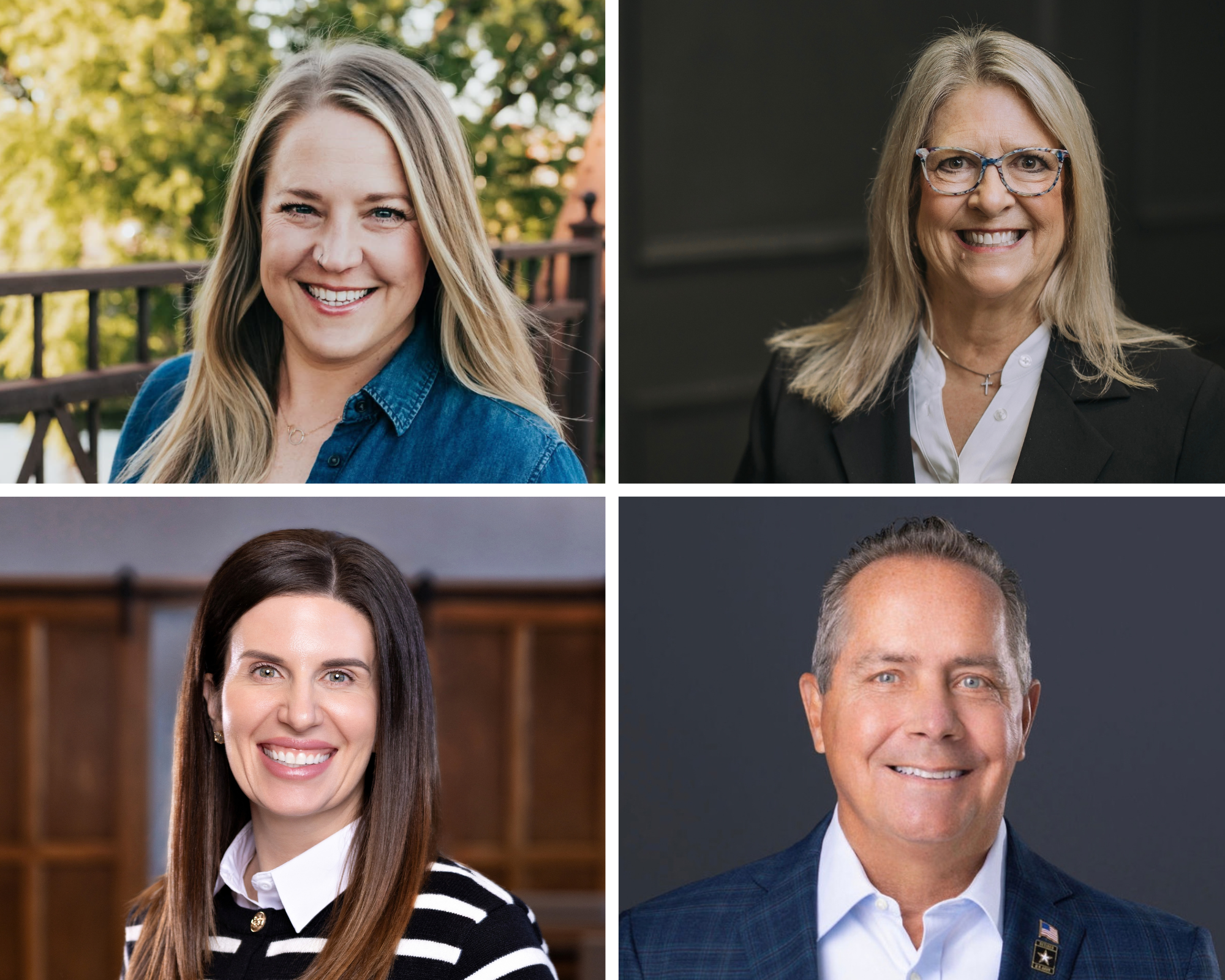
Editor's note: This is one in a series of voter guides ahead of the Nov. 3 election. To find your district, you can type your address into this interactive map on the state legislature's website.
Simplified: District 12 has some heavy hitters who are no longer in play. After longtime lawmaker Arch Beal opted not to seek re-election, an open seat in the state senate is now going to be contested by two newcomers. Meanwhile, former Rep. Greg Jamison opted to run an ultimately unsuccessful Sioux Falls mayoral campaign instead of returning to Pierre. That leaves only one incumbent: Amber Arlint. Voters will elect one senator and two representatives.
What to expect
- This (extremely long) article will introduce you to all of the candidates running to represent District 12.
- All candidates answered the same slate of questions – compiled with input from Sioux Falls Simplified readers – which should allow you to easily compare and find the candidates that most closely align with your personal political views.
- Topics include:
- Data centers
- Education funding
- School choice
- Childcare
- Property taxes
- State budget
- Medicaid expansion
- Elections
- Open primaries
- Economic development
- Criminal justice
- And transparency
- Topics include:
- Candidates spoke directly to Sioux Falls Simplified in face-to-face interviews that were then transcribed and summarized. No candidates had access to the questions ahead of time.
- This careful methodology ensures that no candidate could rely on artificial intelligence or other third-party resources to craft their responses – something only guaranteed by a conversation.
Meet the candidates
Candidates are listed in alphabetical order and then rotating throughout the Q&A.
Amber Arlint (House)
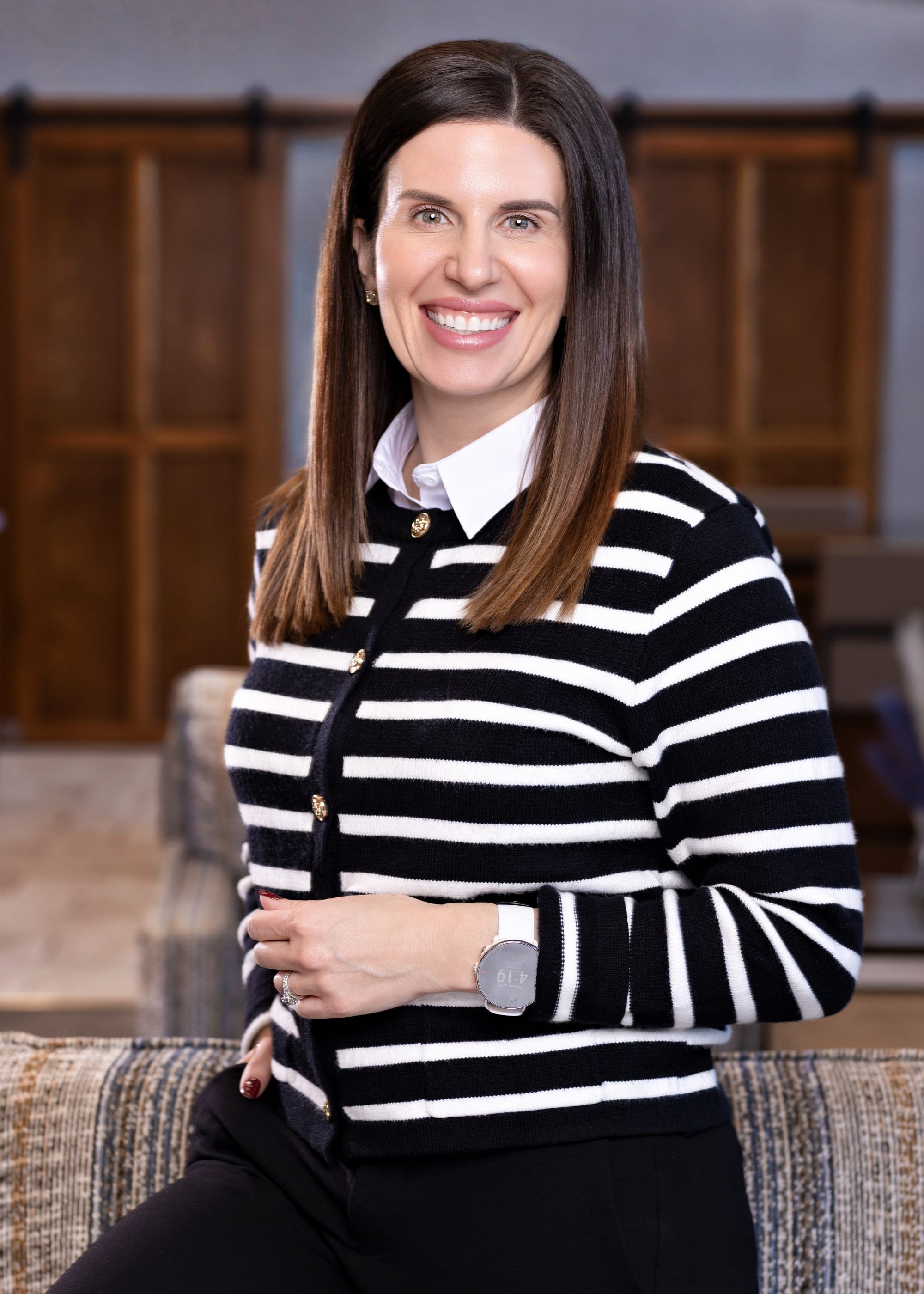
- Age: 39
- Occupation: Insurance agent
- Why are you running for this office?
- "I am running for re-election because I have really enjoyed the opportunity to serve my neighbors in Pierre the last four years.
- "I have two small children that are 6 and 9 years old. I have four generations that live in this district – my two kids, my husband and I, my parents and my grandparents all live in District 12. I think that gives me a unique perspective.
- "I’m also a small‑business owner. I think between being a mom, wife, small‑business owner, I’m currently in the thick of things. I understand the challenges South Dakotans face because I’m facing them myself."
Stephanie Arne (House)
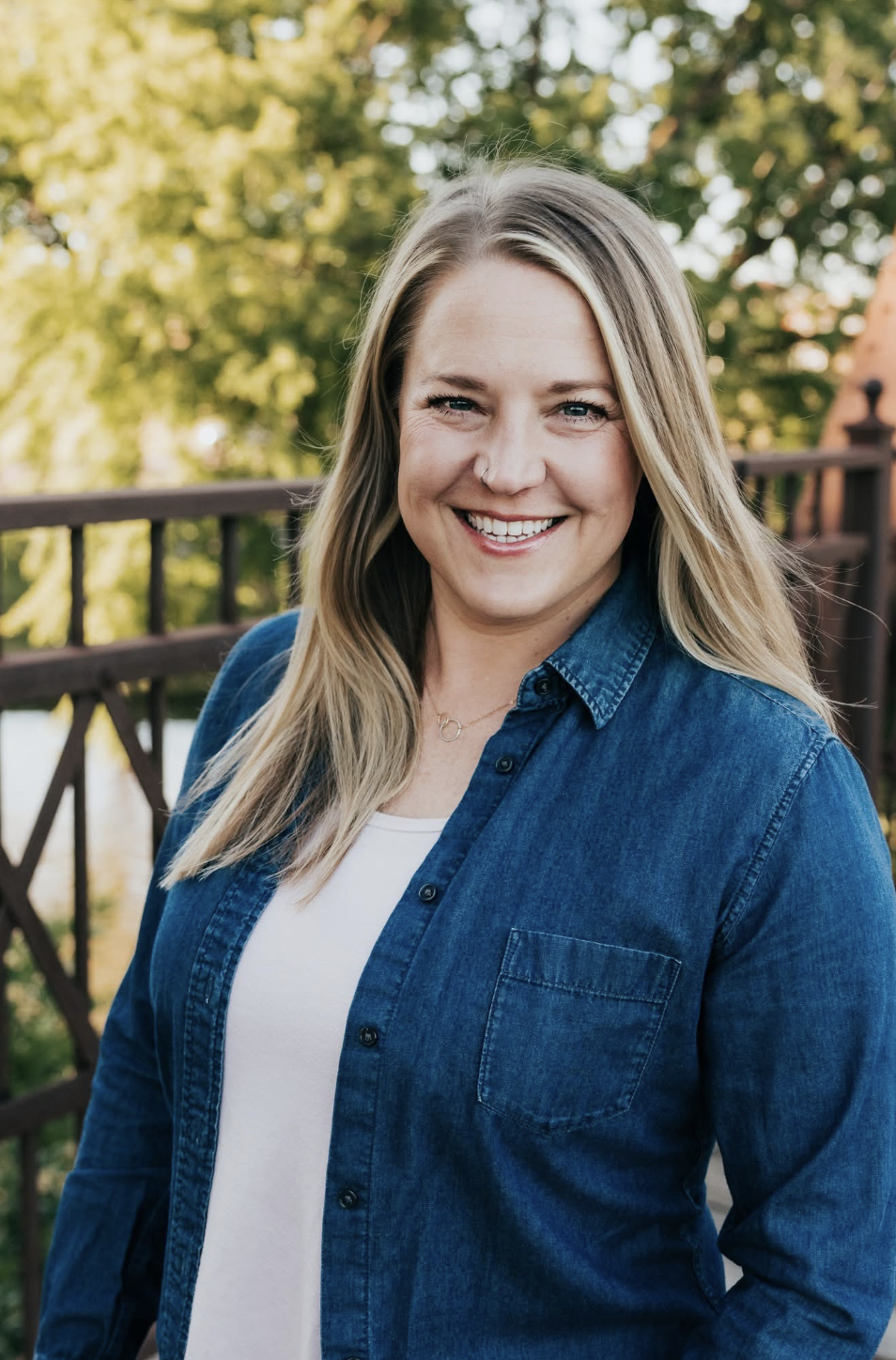
- Age: 43
- Occupation: Wildlife conservationalist
- Why are you running for this office?
- Arne said part of the reason was seeing other strong women making a difference in Pierre. She's also felt increasingly frustrated and like the state was working against her in a lot of ways, and, ultimately realized she could do something about it.
- "I've always loved the thrill and the challenge of working in a room with different people and different perspectives and that back and forth of the ideas and then coming up with a solution. And although no one fully wins, it is so fun to get to know the people and to get to know how other people think and to get to a place of respect ... because it's the process that matters, and I think we've lost touch of that a lot."
Kerry Loudenslager (House)
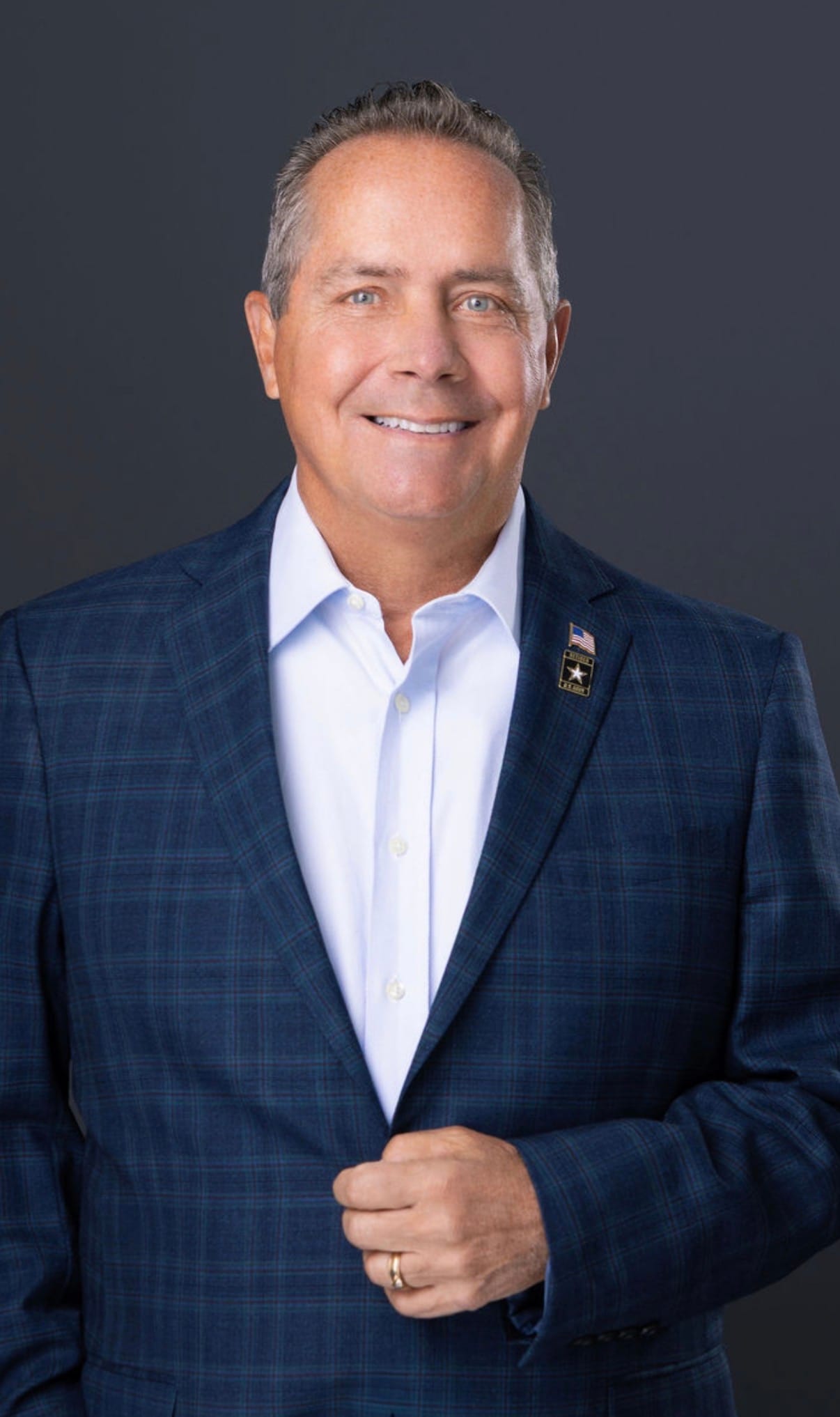
- Age: 68
- Occupation: Retired
- Why are you running for this office?
- "I wore the uniform for almost three decades protecting our freedoms. I’m not about to stop protecting them now.
- "You see a lot of cities that can lose their way, losing common sense, and all of a sudden they're radical cities. I just don't want that to happen in Sioux Falls and in the district that I live in. Now I have the time and energy to take a stand against that radical movement – 'cause it's spreading."
Kari Shanard-Koenders (Senate)
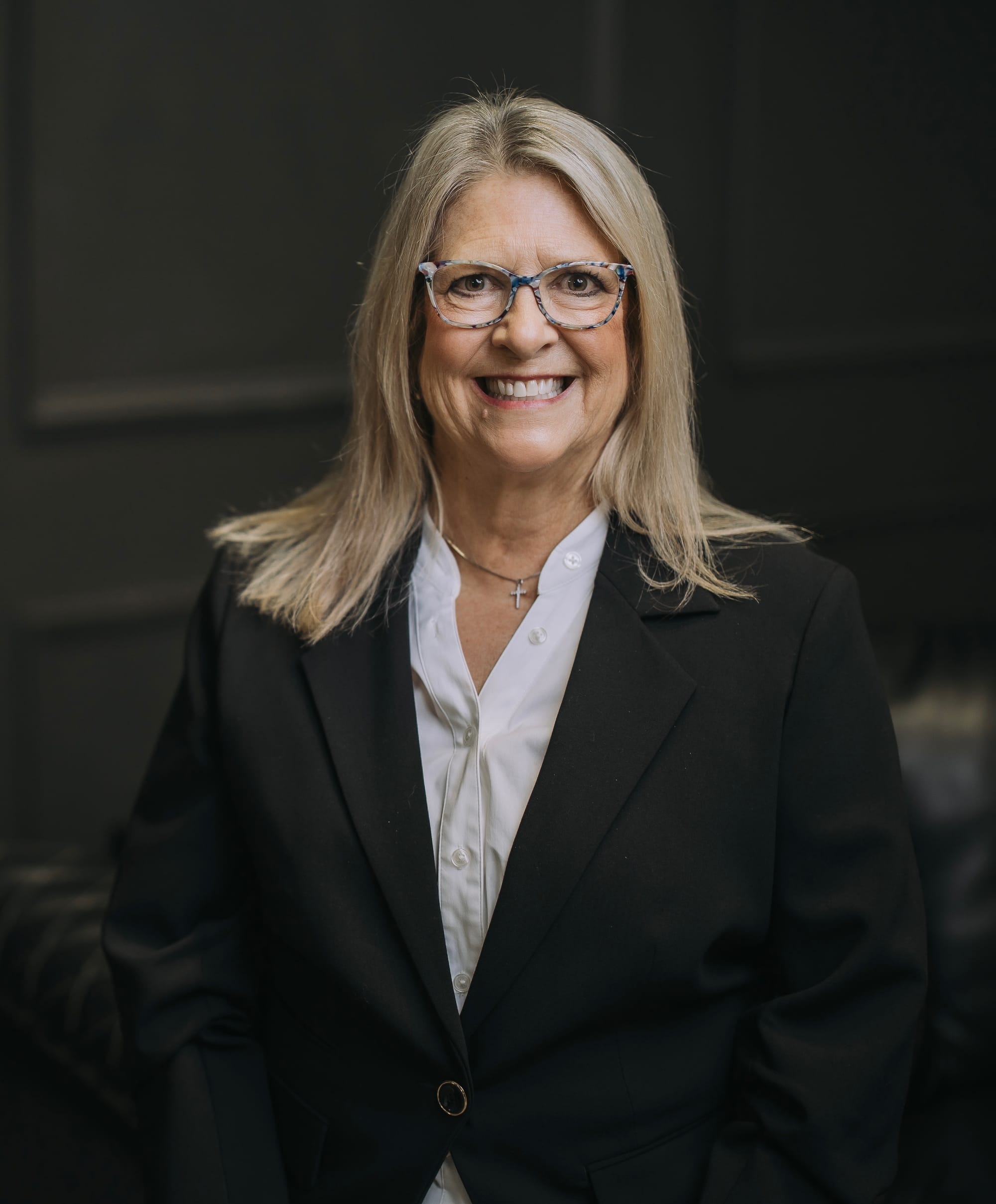
- Age: 67
- Occupation: Pharmacist
- Why are you running for this office?
- "I am running to represent District 12 because I really have a call to service, and I have been a service-driven person most of my life. As noted by my profession, taking care of patients, taking care of people — it’s always best when you can do things to help people.
- "My father was in the South Dakota Senate for 18 years back in the ’70s and ’80s, and I watched him and watched the changes he was able to make. It was important for me once I retired to start giving back.
- "I watched the legislature last year, and I felt there was a need potentially for some further assistance on the medical side of things, and at least I could lend my knowledge to the medical side of things for sure. ... I just think common-sense politics is good, and I want to put some civility back in politics."
Joe Zweifel (Senate)
Zweifel initially set up an interview and then canceled and never rescheduled.
Here's how the District 12 candidates responded to a variety of policy questions
Answers are edited for clarity and length.
DATA CENTERS
What are your priorities when it comes to data centers in South Dakota? Do you support data centers, and if so, what, if any, limitations would you put to protect residents from negative impacts?
Arlint (House): "This is a topic of conversation I think that has brought a lot of fear, a lot of concerns.
- "I think we need to make sure that when we’re looking at where we would place hyperscale data centers, it needs to be a place that makes sense for our neighbors.
- "SB 135 (the data center 'bill of rights' passed last session) — the major items we were hearing concerns about were utility costs, water usage and where these would be zoned. SB 135 addressed many of those. Of course there is more to do.
- "Local control is going to be what is needed. Put the power back to the people at the closest level to them."
Arne (House): "I do not want hyperscale data centers in South Dakota.
- "We put out and signed the Democratic platform, so it’s very clear where I stand. I am very much concerned that the jobs and any profit that comes in will not be comparable to the environmental damage, the damage to families’ finances, the impact on energy, the damage to water, and noise pollution. That to me is so much bigger than the benefits, and I will work tirelessly on that issue."
Loudenslager (House): "I’m open-minded on it. I don’t want to be irresponsible and take a stance on that issue without having all the information.
- "I think we need to get more information from the data centers. I’m a big believer in local control. I think the local communities need to have a say on what happens there. I’m a big advocate for the Constitution and property rights, so I wouldn’t want to see any infringement on property rights without the consent of property owners.
- There’s already been some legislation that addressed a lot of constituents’ concerns as far as energy usage and water usage. I really like the start we have with that existing legislation that’s already been passed.
- "But I think with data centers, we have to lead the way with artificial intelligence and stay ahead of our adversaries when it comes to AI. We just gotta do it the right way."
Shanard-Koenders (Senate): "As far as data centers go, I think the majority of them are fully local-control kinds of issues and the issues around data centers. So I’m a local-control person for sure for the most part.
- "I feel like we have to have data centers due to the fact that we’re using AI, and AI is only going to grow. So there’s a need, but I think they need to be done right."
- Shanard-Koenders also said the "data center bill of rights" passed last session addressed a lot of her concerns. She's not a fan of moratoriums, and she doesn't want to see data centers close to schools or where families live.
Zweifel (Senate): Could not be reached for comment.
EDUCATION FUNDING
South Dakota for years has given public schools less funding than required under state law. How big of a priority are public schools and ensuring they’re adequately funded?
Arne (House) detailed her experience with public schools both as a student and in her career as a wildlife educator. "I’m incredibly passionate about it.
- "I am extremely concerned that after many years of talking about how important teachers are, we’re still, like, 47th in the country for teacher pay.
- "If we want to keep good teachers in our state, we need to pay them not just appropriately – but well. They are teaching our children how to become successful South Dakotans and contribute to our future economy and culture. We need them to have the top teachers and top curriculum designers. I will be on that."
Loudenslager (House): "I have to get to know the budget better since I haven’t been in the Legislature yet. I’d have to take a deep dive into how the budget items are allocated, look year-over-year, and see how the education system has been funded in the past and where it’s supposed to be funded. I’m a big advocate of education.
- "I’ve got three grandchildren right now and I want to make sure our education system is funded to do the job the right way and make sure the curriculum is conducive to healthy education and does not get radicalized by some of these issues in other states.
- "We need to take a look at that budget, recognize our teachers – they’re underpaid. If there’s a way we can reallocate in the budget, maybe excess in one department can be shifted to help pay our teachers and pay a little more."
Shanard-Koenders (Senate): "That’s a rather tough question. having discussed with various people, including some of the Sioux Falls school system folks, about the funding that has happened and the funding changes and the fact that the Legislature voted for raises for teachers and with the funding formula that’s come out of Pierre that hasn’t been able to take place."
- "I also hear questions from constituents about whether the funding that’s been provided is all going to teachers and where that’s going. I think perhaps some more transparency around that would be valid for all to see where that money’s going in the schools.
- "How we ensure adequate funding is a tough one. That starts with the budgetary process and the governor. I would be for the best funding possible just because those (kids) are our future."
Zweifel (Senate): Could not be reached for comment.
Arlint (House) pointed to her experience serving on the education committee the last four years as well as her own master's degree in education. She said education is a top priority.
- "I’ve been paying really close attention to our sales tax trends in our state. It is trending in a good direction. Of course, it is way too early to promise any increases, but that does at least lead me to believe it’s a good indicator of seeing those increases to education.
- "As far as a funding priority, we’re looking at building a new prison in South Dakota. And some of the stats around reading level attainment (show) if you can’t read by the time you reach 3rd grade, your trajectory of ending up in some kind of incarceration or public assistance – there is a really strong correlation there."
- "The more we can invest in education – kids being our greatest resource – the more prosperous our state is going to be in the long run."
SCHOOL CHOICE
Do you support using tax dollars to subsidize private schooling, homeschooling or other school choice initiatives?
Loudenslager (House): "I’ve got an open mind on that too. ... I think parents know what’s best to fit their children’s needs more than anybody.
- "If they choose a school that has a better athletics department or music department, they should have a say in choosing which school they want their child to attend.
- "From what I understand, somewhere around $7,000 per student is allocated (for public schools). ... I don’t think it’s unreasonable to have that $7,000 allocated to that child’s education to follow that student wherever they go."
Shanard-Koenders (Senate): "My feeling on that is if we could fund our public schools to the level that they needed, I would support that. But at this point in time, we can’t even fund our public schools to the point we need to.
- "In my opinion, no – not at this point in time."
Zweifel (Senate): Could not be reached for comment.
Arlint (House): "I think at the very heart of these issues is parents and communities wanting the best for their children. Parents are the ones in the driver’s seat knowing what is going to be the best fit for their kid. ...
- "The largest challenge that we run into is every program sounds great until we figure out how to fund it. We have not been able to fund (public) education at the levels we need to see student success outcomes increase.
- Do you support using tax dollars to subsidize private schools, homeschooling, etc.? "Partners in education is great because it’s got some great guardrails on it. My overall philosophy is we first need to fund public education and meet public education needs. Then, once we are able to meet our public education needs, I am very into expanding how we fund education. But we have to start with public education first."
Arne (House): "No. I believe public tax dollars should go toward public schools.
- "I am so happy that South Dakota parents have many opportunities to choose from ... However, that is a choice and a gift. To make sure all children are afforded the same opportunity, we need to provide a strong public school system with good teachers and good pay so we have the best outcomes for our students.
- "That requires a lot of funds, and public taxpayer dollars should go to public schools. If you can go above and beyond to educate your students, fantastic, and where appropriate we can discuss supporting additional programs."
CHILDCARE/AFTER-SCHOOL CARE
Do you support using state funds toward preschool/afterschool care and/or childcare?
Shanard-Koenders (Senate): "I know the costs are really the issue, and I think if parents could support that to a degree and perhaps public-private partnerships could be put together for this type of thing. I think all of those are great avenues for our kids. I’d rather have them in an afterschool program than out running on the streets. ...
- "All of that is important – it’s just (a question of) where the money comes from.
Zweifel (Senate): Could not be reached for comment.
Arlint (House): "We have a really large supply‑and‑demand problem in the state of South Dakota with this. South Dakota overall is a low‑tax state which also means we have fewer dollars for some of these state‑funded services.
- "But the stats around early preschool and the great start that can help children get is pretty incredible." Arlint also cited local examples like the Sioux Falls Hope Coalition or public-private partnerships in Madison.
- "One of the largest things we can do is continue to make sure regulations make it easy to do business in these sectors."
Arne (House): "Yes. It’s about getting all students the opportunity from the beginning of their educational career.
- "Some of those early years are the most impactful and powerful years of a child’s learning experience and capabilities. If those initial years meet Maslow’s hierarchy of needs, they set children up for success in critical thinking, social-emotional learning, and being open to different learning styles."
Loudenslager (House): "Childcare – you know, I’m kind of old school when it comes to that. When Doreen and I got married 43 years ago, we had three children and she chose to stay at home.
- "I believe that’s an issue that needs to be addressed because today you’ve got two spouses working to pay the bills, especially with the affordability issues out there.
- "I’m open to looking at different options to help subsidize preschool, after-school, and childcare. My wife and I get involved now in doing that for our grandchildren and we enjoy it, but I think there needs to be some assistance. I’m just not sure the right way to do it. I know I need to learn more."
PROPERTY TAXES
Are property taxes a problem in South Dakota? And how do you weigh the needs of the taxpayers with the needs of local governments to provide essential services?
Zweifel (Senate): Could not be reached for comment.
Arlint (House): "Property taxes are probably one of the top items that I’m hearing from constituents. You roll that in and pair that all up with affordability (and it's the) highest topic of concern. Are they a problem? Based on feedback I’m hearing from constituents, I’d have to say yes because I’m hearing it so often. ...
- "When we talk about property taxes being high we would look at what services do we want to reduce, and very rarely am I hearing that they want to reduce police force (or other county services) … that is the largest thing we are trying to balance. How do we reduce property taxes and at the same time not reduce services? That is probably the largest challenge I have faced in my legislative career."
Arne (House): "Property tax to me personally is acceptable if the people talk to their legislators, legislators fight in the budget, appropriations listen, and that money is used for things that help the people that the taxpayers intended. Then I’m happy with where that property tax is.
- "Where it becomes an issue for me and most of the people I talk to in District 12 is when they feel like they’re giving money and it’s taking away and harming their family. When gas and groceries are this high and childcare is difficult to find, it’s hard to know that money that’s already come out of their bank account is sitting in reserve and not being used to take care of people ...
- "I have had people say they love public schools, but feel like we keep putting money in and they don’t know where it’s going. I agree with them.
- "I’m OK with property taxes if I am part of the conversation about where the money goes, and if there is transparency and I can see how it flows into the community. I love the idea of giving taxes and seeing it go to help mothers with daycare, to help teachers, or to improve mental health services."
Loudenslager (House): "Yes, they are. That's one of the topics I'm running on."
- Loudenslager shared some examples of the rate of property tax increases in Lincoln County, specifically, citing the need for some relief.
- "I do support recent legislation that lets counties increase certain levies in order to pay the bills. I hear some arguments from renters who say they’re not paying property taxes and question why they should pay additional sales tax to help offset property tax. We’re talking about 4.2 to 4.5%.
- "I’ve crunched the numbers – the average person with this increase in property tax is going to be paying an additional somewhere around $200 more per year in sales tax, and that includes homeowners. Like I mentioned with the education budget, I think there are areas in the state budget where maybe we can shift dollars to provide property tax relief."
Shanard-Koenders (Senate): "I think property tax is a problem from what I hear from residents, and I have experienced that myself. I do think it’s a problem.
- "I’m not 100% sure that last year’s bill addressed really where we need to be with property taxes. It was good to give residents some sort of relief because some counties have raised property taxes exponentially.
- "Residents may need some relief, but not at the expense of people who are renting, working and trying to get by and paying those extra few cents of sales tax. It’s a tough balance."
BUDGET
As in any budget scenario, the needs and wants of South Dakotans are greater than what the state spends on helping them. What’s your philosophy when it comes to the state budget, the amount of money in reserves and who should benefit from the tax dollars we all pay?
Arlint (House): "At the end of the day the people who should benefit from the tax dollars we pay are the people of South Dakota. With every spending proposal that comes before the Legislature, a couple questions I ask myself is: who benefits, what is the cost and what are the expected results?
- "After I’ve weighed those items, I also weigh how do we balance new ideas against what we’ve already committed to. ...
- "Families are watching their budgets really closely right now, and I think it’s important that the state does the same thing. I am so incredibly grateful that it’s in our constitution that the state of South Dakota is required to have a balanced budget."
Arne (House): "The people should benefit from the tax dollars that we all pay. If we allocate money, that money needs to be spent ... We should not need to come together and pressure our administration or our legislators to release funds they’ve already committed to important things the people have already paid for.
- "I understand the importance of reserves and a surplus, and that must feel great. However, then the people are not getting what they paid for."
Loudenslager (House): "Who should benefit? It should be the taxpayers first of all.
- "Our first responsibility of government is law and order and the safety of our citizens. We need to make sure our law enforcement and legal system are funded. Education – our education scores aren’t where they should be. If we can fund that a little more and pay our teachers more, I think we’re heading in the right direction. We’re seeing some improvement, but we’ve got a ways to go.
- "Those are huge priorities: public safety, education, and property tax relief."
Shanard-Koenders (Senate): " I think first of all reserves are really good. We need those. ...
- "So I think for the state budget there’s always been the big three: Medicaid, state employees, and schools. ...
- "I’d rather increase revenue than cut anything in the budget, but I know there are areas where we’re going to have to cut.
- "And the problem is federal grants. A lot of them stopped and so the state had to pick up in a lot of those areas. I know some of our state agencies are funded in a huge way with federal dollars. So when those stop, something changes with that federal agency, and they either need to stop services or pick up where the federal government left off. ... But we need to be stewards of the dollars."
Zweifel (Senate): Could not be reached for comment.
MEDICAID
South Dakota voters supported medicaid expansion in 2023 – Do you think they made the right choice? How will/will you support ongoing access to healthcare for vulnerable residents and ensuring providers are adequately funded?
Arne (House): "Yes, I support Medicaid and Medicare.
- "What I’m hearing in District 12 is people constantly saying they are terrified of losing healthcare support. ... From my conversations on the doors, there are people who are able-bodied and want to work but feel stuck because of how benefits interact with employment. They're trying to find the balance where they can work, contribute to the community and economy, and still get the health support they need."
Loudenslager (House): "I remember when that came on the ballot. I actually did not like how that bill was written and placed on the ballot, and here’s why. I’m in favor of Medicaid expansion for ages 18 to 65 – and we’re really not talking about the elderly, disabled, or pregnant because they were already covered. We’re talking about those that fall in the 133% threshold of the federal poverty level, including some able-bodied workers.
- "Take a look at other states that have a work requirement. I think most South Dakotans wouldn’t be in favor of providing Medicaid to those who can work but choose not to. ... I think there needs to be some kind of work requirement for those who are able to work."
- Loudenslager also voiced his support for Constitutional Amendment I, which would revoke Medicaid expansion if federal funding dropped below 90%.
Shanard-Koenders (Senate): "We need to provide healthcare to those who are truly needy, and Medicaid does that in a way. It doesn’t get to everyone, but the expansion, I think — some of my Republican colleagues would probably disagree — but I do think that was a good idea. ...
- "I worry about the federal government backing out of that and us having to limit services for our residents. I don’t like the sound of that.
- "I don’t really want to cut Medicaid funding, but if the federal government does what we feel like is a possibility, then we may have a problem. I’m definitely a hand-up, not a hand-out type of person. I want to help those who truly need it, but I don’t want to put undue burdens on those who get Medicaid either and make them feel like second-class citizens."
Zweifel (Senate): Could not be reached for comment.
Arlint (House): "Around providers being adequately funded, some incredible work was done in my first two years in the legislature about increasing reimbursement rates. We worked really hard on the reimbursement rates with Medicaid expansion."
- Arlint also detailed the structure of how Medicaid is written in the state constitution, with the federal government funding 90% and the state funding 10%. She said she's concerned about what could happen if the federal government decreases its share.
- "I am not someone who’s overly comfortable right now relying on the federal government. ... I think it’s important to continue to address that and make sure on the state side we’re prepared and don’t have to make a cut to funding education or other needed programs."
ELECTIONS
What, if any, changes do you want to see the state make when it comes to absentee voting, voter registration, voter ID laws and elections in general?
Loudenslager (House): "I’ll refer again to an amendment that’s going to be on the ballot – Amendment J. Right now, if you’re not a U.S. citizen you can’t vote in South Dakota. This amendment will codify that by putting it in writing.
- "As far as election integrity, we’ve got to keep an eye on that. I’m not a technology expert, but when you’re using voting machines and internet systems, we have to be very careful about algorithm manipulation."
- "I heard about drop boxes. Right now drop boxes are not allowed. I was happy to see that trend. Even though these drop boxes would be manned, you still never know if there could be some corruption.
- "(There's also) some talk about hand-counting ballots. I had a conversation with (Minnehaha County Auditor) Leah Anderson. That would be resource-intensive and cost the city or the state a lot of money if we were to go to hand counting."
Shanard-Koenders (Senate): "I think our elections are one of the most important things we can do in this state and in the nation, so it’s important to get them right.
- "One of the things we did in the last legislative session was put all of the election pieces into one date. I do think that’s a good idea, but I think it was perhaps an overwhelming ask for some of the admin staff that have to run elections. ... Change is hard. I’m not looking at any changes in elections right now.
- "We’ll have a new Secretary of State as well, and who knows how that will go. So we just hope for the best on that front and continue to do elections the way we have."
Zweifel (Senate): Could not be reached for comment.
Arlint (House): "I have heard there’s been some heartache around the implementation of election law. At the end of the day we never want to disenfranchise voters, but we have to balance that with making sure that we have safe and fair elections.
- "As far as election timelines go, this particular cycle was a challenge because there were changes made to law to move the school board and mayor elections onto one of the primary/general election ballots. I don’t think we are going to see those challenges on timeline in the future. This was the effect of making the change, but now the change has been made. My hope is that in the future that process is much smoother."
Arne (House): "Voting should be incredibly easy. The steps should be incredibly transparent.
- "There should be multiple opportunities for a diversity of individuals to register and vote. Voting is a right. We should celebrate it and make it accessible. ... If I ask for a ballot, it should arrive within 3–5 business days. If any company can guarantee shipping, why can’t our city or state?
- "When I put my ballot in, I need to know how many days I have before the cutoff date. Can I trust that the system will be in place to pick it up at the right time so my ballot is counted? None of this should be wishy-washy. It should be the same every time, and that is not asking a lot."
OPEN PRIMARIES
Is it time for open primaries in South Dakota?
Shanard-Koenders (Senate): "I have weighed that question. I have friends who switched from independent to Republican so they could vote in the primary.
- "I’m actually happy about that when they do that so they can get their voice heard. But it is sort of an administrative nightmare to get back and register as an independent. I have to do more study on that."
Zweifel (Senate): Could not be reached for comment.
Arlint (House): "I’m glad you asked about that. That was such a large topic in the last primary cycle, and I really haven’t heard a lot from constituents in this election cycle on whether or not that’s something that’s important to them.
- "It spoke loud and clear when it was sent to the voters last time. I’m not sure, but I think that should be a voter‑led decision."
Arne (House): "Yes. I know that might not be popular with everyone within the parties. I feel a bit more independent in my mindset. I think providing all voters the option is valuable. As a voter, I would personally love open primaries."
Loudenslager (House): "Nope. I’m not in favor of that at all. Let the parties vote."
ECONOMIC DEVELOPMENT
How does economic development factor into your list of policy priorities? What role do you think the state should play in supporting existing businesses and attracting new businesses/industries?
Zweifel (Senate): Could not be reached for comment.
Arlint (House): "When I think about economic development I often tie it directly to our property‑tax issue that we’re hearing about from our constituents.
- Strong economic development brings in a broader tax base which in turn should then reduce property taxes. When we think about how the state should play a role in both supporting and attracting, the number‑one selling point for South Dakota in previous decades has been we’re a place that is easy to do business. We need to continue to be a place that is easy to do business."
Arne (House): "I’ve owned a small business for 15 years and am a huge supporter of small business. These are people from our community providing jobs and products and services to their neighbors.
- "However ... if your family has been doing this for a long time as a farmer or rancher, I don’t want you to be pushed out by a company coming in from another state or country. We need to support our local business owners.
- "I believe we need strong regulations with AI. I’m concerned about AI just like plastics. It can be really great and provide incredible services, but if we don’t regulate it and pay attention to it, it can become harmful and wasteful – not just to wildlife but to us and our children. ... I don’t think tax money should go to things that are harmful."
Loudenslager (House): "We’ve got to keep pushing for that. We lose too many workers and college graduates to out-of-state companies. We need to continue to push economic development.
- "When I say that, I mean economic development that’s mutually beneficial, not just for the company involved but also beneficial for the communities. There are a lot of smart business people and big companies that want to expand in South Dakota.
- "As far as exemptions go, you can’t blame companies for asking for a state tax exemption, but when billionaire companies come in, I am not in favor of excessive incentives without caveats."
Shanard-Koenders (Senate): "I am pro-economic development when it’s done properly. A lot of the business that comes to our area is wonderful, but some aren’t necessarily, and for those we’d need to put some guardrails up.
- " I would bring business into our state as long as we still have room and we still have the need for further tax dollars and all of that. Having said that, I don’t know all the tax-increment financing. I don’t know all the details of those bond issues and whatnot.
- "I’m very pro-small business. I think we should help small businesses with loans and grants and things if we have the money to do that."
CRIMINAL JUSTICE
What policies do you want to see enacted to support re-entry and reduce recidivism – especially in light of the new prison being built in Sioux Falls?
Arlint (House): " I don’t have a definite statistic here, but I had a conversation with somebody who worked closely with the penitentiary about the number of those incarcerated that cannot proficiently read. And the stats are so high there.
- "You think about what that does to the trajectory of somebody’s life. ... The odds just start to be stacked against you when you can’t read. Make sure they have strong reading and writing skills, and also to reduce recidivism, (provide) opportunities for gainful employment.
- "When you can leave the penitentiary and immediately be employable, what an incredible way to restart our life and be set up for success."
Arne (House): "I am very much a prevention person. We can do so much by providing — from a young age — education, food, and healthcare. ...
- "We did not have a prison that was safe or livable for many human beings who lived or worked or visited that space. I understand the need for it, but we need to look at what’s going on beforehand that can be prevented, and then set individuals up for success when they come out.
- "I believe in programs that lift people up, improve their self-esteem and confidence, and teach them skills so that when they complete a program, they have the ability to get a job right away and start participating again. A lot of them cannot wait to come back and do better. We need to help them help us and be there to break the cycle."
Loudenslager (House): "I’ve heard a lot of ideas through the gubernatorial elections and debates. I need more information on that.
- "What I would do is be a responsible representative for constituents and reach out to the Department of Corrections to find out all the details on what we’re talking about and what the challenges are.
- "I’m a believer that encouraging people to get more involved with faith, family, and core values can help reduce rates, but when it comes to the details of what the problems are and how to fix them, I’m going to depend on the DOC, the Legislative Research Council, and constituents."
Shanard-Koenders (Senate): "This should be a priority of the state. We have seen our crime increase, particularly in Sioux Falls, because of parolees and that type of thing. (Editor's note: The crime rate in Sioux Falls is largely flat or decreasing.)
- "Once people get out they need to be equipped with some skills, and I feel they also need to have some – maybe not necessarily religious background, – but I do think teaching that kind of thing in the criminal justice environment, some bigger power that they can look at, can help with anger management."
- Shanard-Koenders also advocated for better mental health treatment and career training, particularly in the trades, for incarcerated people.
Zweifel (Senate): Could not be reached for comment.
TRANSPARENCY
How do you plan to seek input from your constituents? What’s the best way for people to reach you with their feedback?
Arne (House): "I have an email: hello@stephanieforSD.com and a website where people can reach me."
Loudenslager (House): "My website is kerryforsd.com. I’m encouraging all my constituents to get on that link. There’s a Facebook link on there too, and you can see my contact info, email, and phone number.
- "When people ask me why I want to be a politician, I say I don’t even like that word. I see myself as a representative for the people, and how can I do that if I don’t know where they stand on issues? I’m asking for input from constituents."
Shanard-Koenders (Senate): "Being accountable is one of the things that I really appreciate about this job. ... I’m not one of those people that just gets angry when called out on a mistake. I’m easy to interact with on those lines.
- "My website will be available. I’ll have a state legislative email if I get elected. ... It's super important to be able to be reached and to return emails and calls."
Zweifel (Senate): Could not be reached for comment.
Arlint (House): "I am so extroverted. I love people, and one of my favorite things to do is to go door-to-door and meet with my constituents.
- "As far as when it’s legislative session, I work really, really hard to get back to constituents when they do a direct email to me. The way I prioritize getting back to constituents is first in my district, then in Sioux Falls, and then other emails I get from citizens in South Dakota."
What happens next?
Election Day is Nov. 3.
You can check your voter registration on the Secretary of State's voter information portal. The voter registration deadline is Oct. 19.