Editor's note: This is one in a series of voter guides ahead of the Nov. 3 election. To find your district, you can type your address into this interactive map on the state legislature's website.
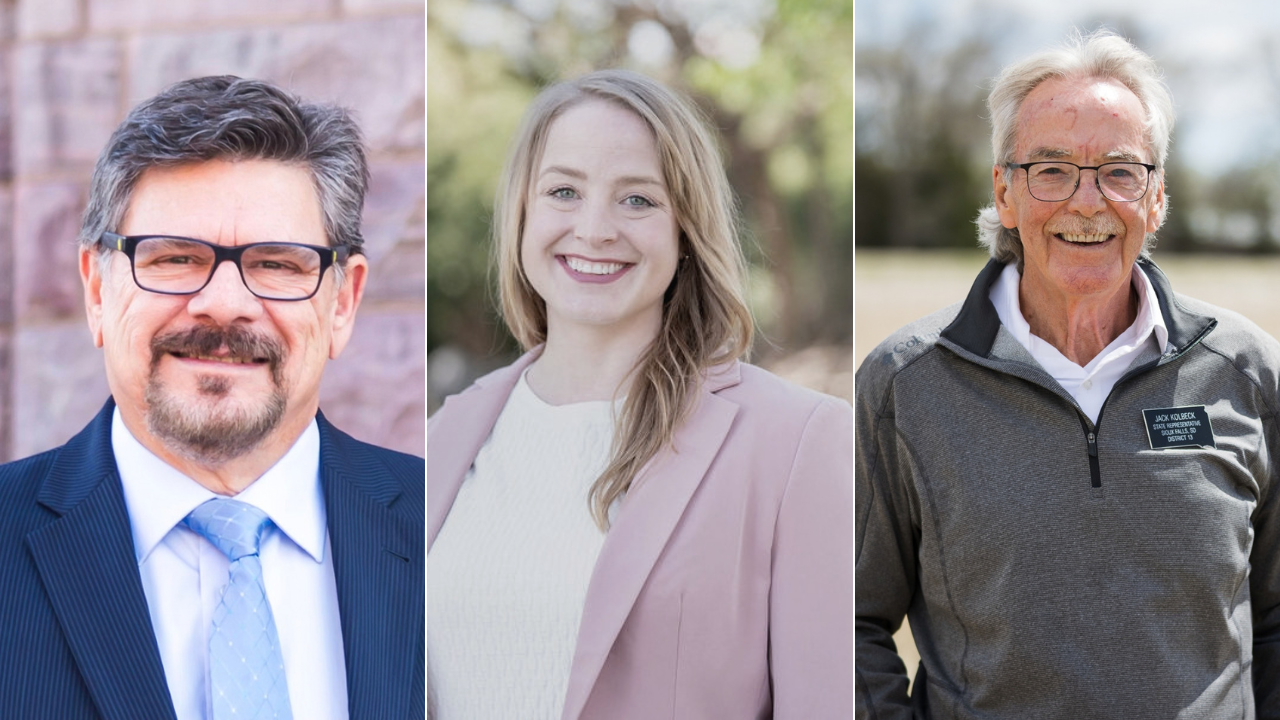
Simplified: District 13's lone state senate seat has already been decided as veteran lawmaker Sue Peterson will run unopposed. Meanwhile, three people are vying for the two open seats in the South Dakota House of Representatives.
What to expect
- This (extremely long) article will introduce you to all of the candidates running to represent District 13.
- All candidates answered the same slate of questions – compiled with input from Sioux Falls Simplified readers – which should allow you to easily compare and find the candidates that most closely align with your personal political views.
- Topics include:
- Data centers
- Education funding
- School choice
- Childcare
- Property taxes
- State budget
- Medicaid expansion
- Elections
- Open primaries
- Economic development
- Criminal justice
- And transparency
- Topics include:
- Candidates spoke directly to Sioux Falls Simplified in face-to-face interviews that were then transcribed and summarized. No candidates had access to the questions ahead of time.
- This careful methodology ensures that no candidate could rely on artificial intelligence or other third-party resources to craft their responses – something only guaranteed by a conversation.
Meet the candidates
Candidates are listed in alphabetical order and then rotating throughout the Q&A.
Ali Rae Horsted
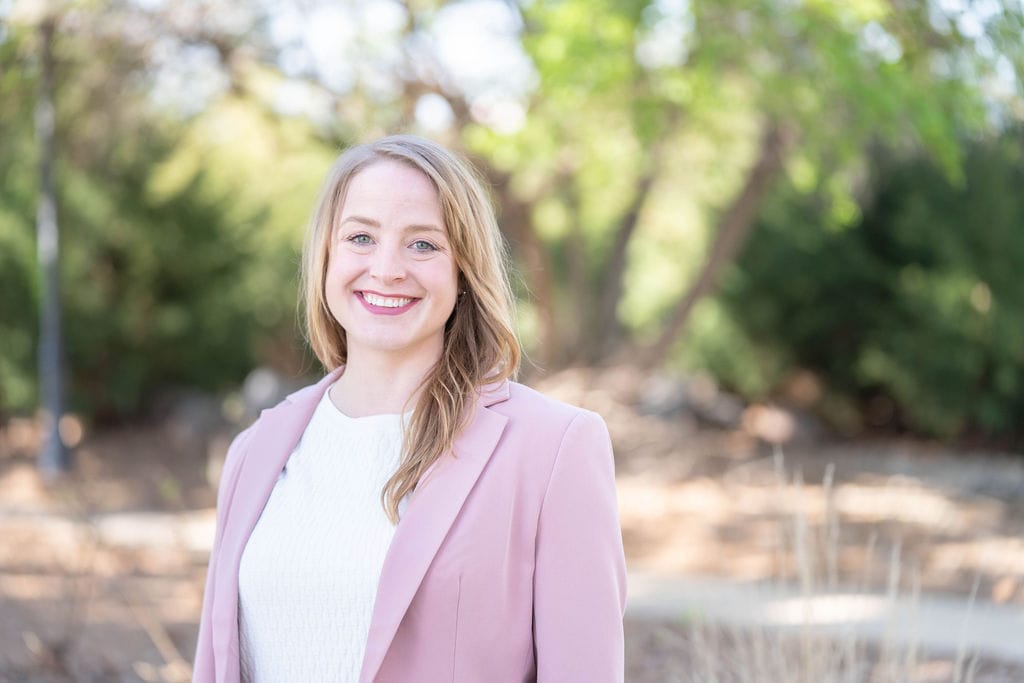
- Age: 38
- Occupation: Recruiter
- Why are you running for this office?
- "I’m running to bring better balance to our representation in Pierre and also to District 13.
- "We’ve had a lot of the same people for the last many years, and I think it's time for someone with a different perspective and a little bit more progressive ideas to represent our district."
John Hughes
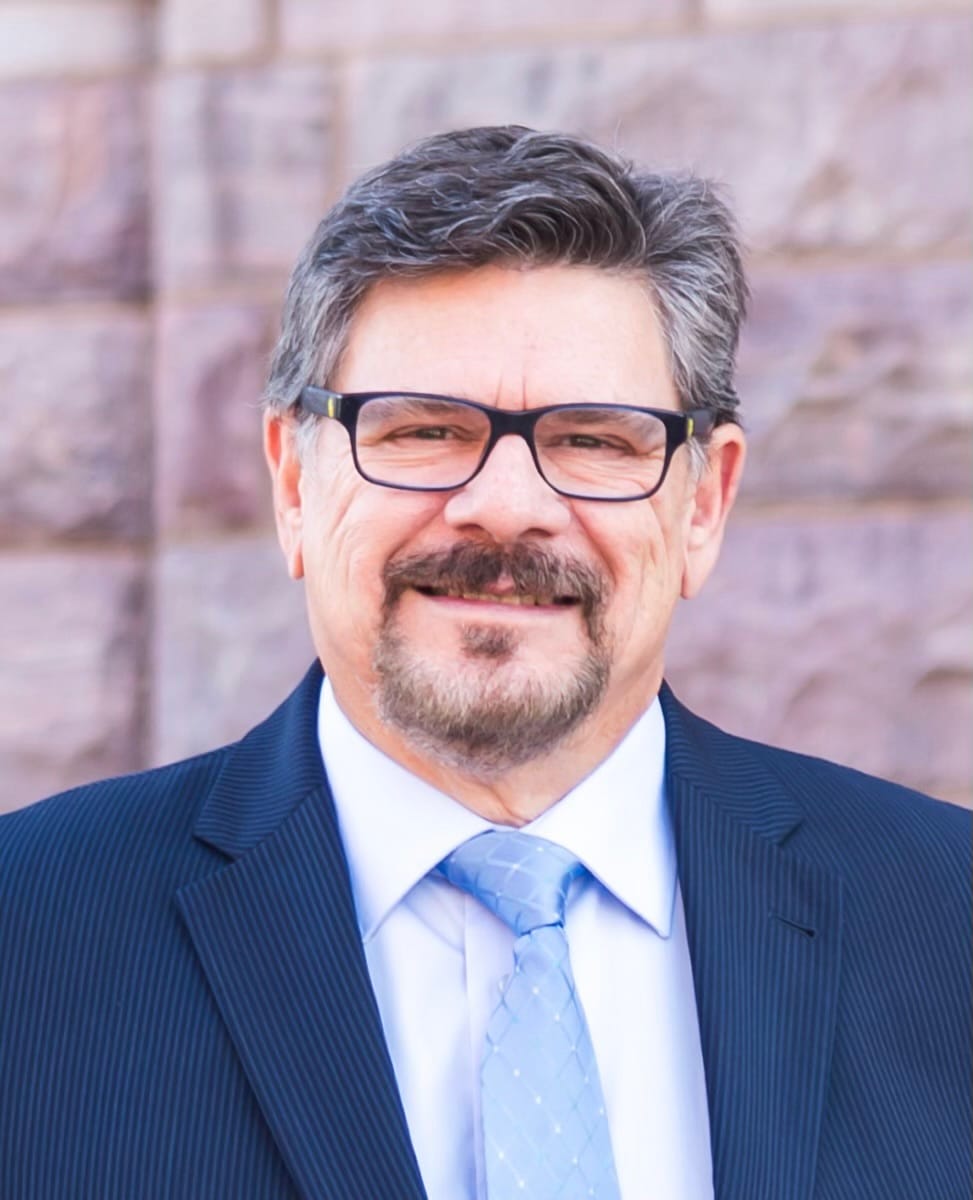
- Age: 69
- Occupation: Lawyer
- Why are you running for this office?
- Hughes outlined his educational background and 44 years of experience in a private law practice. He also said in his first two terms in Pierre, he's said 'yes' to everything he's been asked to do, including the prison rehabilitation task force, the interim task force on property tax reduction and more, and he's led the charge on the first adoption reform in the state in decades.
- "I'm all about freedom, safety and opportunity," Hughes said, adding that his subcategories are smart development, safe communities and thriving families. "I care deeply about improving our public educations systems and literacy reforms. I want us all to have a respectful, dignified public dialogue."
Jack R. Kolbeck

- Age: 74
- Occupation: 54 years in the beer/beverage business, most recently with Beal Distributing
- Why are you running for this office?
- Kolbeck was termed out after serving eight years as a state senator, but two years ago when Gov. Kristi Noem left to take a federal position, Gov. Larry Rhoden appointed District 13 lawmaker Tony Venhuizen to lieutenant governor, and Kolbeck was asked to step in to fill Venhuizen's seat.
- "I felt very proud and humbled by that request," Kolbeck said. "My wife and I felt that meant the governor had confidence (in me). ... (I ultimately decided) let's run at least for two more years and see what we can do."
Here's how the District 13 candidates responded to a variety of policy questions
Answers are edited for clarity and length.
DATA CENTERS
What are your priorities when it comes to data centers in South Dakota? Do you support data centers, and if so, what, if any, limitations would you put to protect residents from negative impacts?
Horsted: "I’m a bit cautious about the idea of bringing hyperscale data centers to South Dakota. As we’ve seen in a lot of other cities and states, there are a lot of impacts that they have on the environment, on ratepayers for electricity, and everything else. So, yeah, not a fan.
- "On the other hand, I don’t think it necessarily makes sense to completely say no. We can still have a conversation about it.
- "I would emphasize that local control should be primary. Local government should be able to have the final say on whether or not it makes sense for a certain community. They can have some economic benefits, but we need to not be short‑sighted about the long‑term impacts that they will have on the community, the environment, and people’s well‑being."
Hughes said he strongly supported the 'data center bill of rights' in the last session.
- "Hyperscale data centers might be OK maybe, but we can’t use the CO2 pipeline approach where our former governor allowed lawsuits to be followed over eminent domain.
- "I’m all about protecting our natural resources, water, our power grid. It’s really hard to pull the wool over my eyes on things like data centers because I’m like 'what’s in it for the people?' We spend millions in taxpayer dollars for people that want to come here but our unemployment rate is less than 2% so we don’t have the workforce. ... I appreciate what Gov. Rhoden has done on the future fund."
Kolbeck: "One thing I do not like about the idea of (hyperscale) data centers is giving them a sales tax exemption. ...
- "When it comes down to me being for them or against them, I’d be more apt to support them on a smaller basis. But I think they have to follow the local guidelines as far as electrical and water usage. I think economically it’d be a good thing. Property taxes they would pay would hopefully help eliminate the higher cost of property taxes for homeowners.
- "I’m not against them 100%. I think there’s ways to work through the system and make them available to be built and probably run right here close to Sioux Falls. I just don’t think the hyperscale ones are something the people in South Dakota want."
EDUCATION FUNDING
South Dakota for years has given public schools less funding than required under state law. How big of a priority are public schools and ensuring they’re adequately funded?
Hughes: "Huge.
- "There’s a real tension, and it’s built into the fact that the state doesn’t impose property taxes. Property taxes are a local effort. So the way that school districts budget is exactly the opposite of how you and I budget. We look at income and determine what we can afford. The school districts set a budget for what they need or what they think they need and then the county assesses budget. Sadly, I think our public is too distracted working too hard to pay the bills; they don’t really have time to participate. ...
- "There is really no process for scrutinizing administrative costs or very large facilities that are built or a $40M high school. ... If we can’t look at the whole picture, how can you come to me and say I want fully funded public education? But it’s like how do we define that? I want a workable standard. What does fully funding our public education system really look like, and what do we really need?"
Kolbeck: "I’m a very big supporter of the public school system. My three kids went through the school system here in Sioux Falls. ... I’m definitely an advocate of the school system.
- "I think that our school board has done a great job as far as implementing and being as conservative as they can. It costs a lot of money to run a school system – there’s just no doubt about it – and property taxes is how they’re funded.
- "I really think our public school system has done a good job. As far as budgeting for them out at the legislature, I have been a very big advocate of trying to get as close to the formula we have out there — 3% or cost of living. Last year we had the governor say no we’re not gonna give them anything and then in appropriations we fought to get them to 1.4% (increase), which was acceptable for them."
Horsted: "Public schools are a huge priority for me. My mom was a teacher in the Sioux Falls School District for almost 35 years. I attended public school in Harrisburg and Lincoln High School and the University of Northern Iowa. I'm a Big fan of public schools.
- "I think it’s a tragedy that they haven’t been funded as they were supposed to be funded in recent years. If elected, I would work on holding our state government accountable to the promises it made. Another benefit of funding education properly from the state level is that it puts less pressure on local governments to make up for it with things like property tax increases."
SCHOOL CHOICE
Do you support using tax dollars to subsidize private schooling, homeschooling or other school choice initiatives?
Kolbeck said the home-school families he's encountered aren't "apt to take state funding," but overall he has no problem with home-schooling.
- "The charter schools I’ve gotta take a little deeper look into that. If they’re gonna be subsidized by the state they would have to abide – would have to take every student that would apply. I just don’t believe they can handpick here and there.
- "The private school system very good. I don’t have a problem with it, but I think taking the tax dollars away from public schools ... I’d be reluctant."
Horsted: "No. I think public schools are already having a hard enough time as it is, and public funds should be used for public things.
- "It’s great that families have the opportunity to choose whether to home-school or send their kids to private school. There are already some programs in place that provide assistance. I just don’t think it’s something we need to expand upon when there are other, in my opinion, more pressing issues deserving of taxpayer funds."
Hughes: "I think we need to address our public education system first. ... I don’t see that the people that promote charter schools or private education as a taxpayer‑funded alternative have reached enough consensus to put forth a workable plan. I think school choice is a right of every parent, but I think detracting from our tax base right now is wrong‑headed."
CHILDCARE/AFTER-SCHOOL CARE
Do you support using state funds toward preschool/afterschool care and/or childcare?
Horsted: "Yes. I think those are all worthy causes.
- "There’s a direct link between childcare, early childhood education, and later outcomes. Data indicates that investment in early childhood education has significant benefits later in life, and there is a link between childcare and workforce participation. If people can’t find childcare or it’s too expensive, they can’t work. I think that’s a worthy cause for sure."
Hughes: "We’ve got to do something. I was called a socialist for proposing on the House floor that private businesses that we are subsidizing with millions of taxpayer dollars do what Citibank did (in having an onsite childcare facility).
- "We are so preoccupied with bringing multinational major corporations to this state when we don’t have the workforce, and yet you’re called a socialist if you want GOED and our Future Fund to support and leverage private business, large corporate employers especially to provide daycare.
- "We wouldn’t have to subsidize taxpayer‑assisted daycare if, like, Amazon – they should have a daycare. If there are parents of young kids they ought to have a daycare. You’ve got to catch kids in that 3-5 age range. I agree with strong education and early intervention. We aren’t raising real wages. We market our low wage base as a reason for employers to come here, and every time I hear that I cringe."
Kolbeck: "I think that all has to come down to the local level (and be) property tax funded (in regards to preschool). It has to. They have to rely on the property taxes they collect within their school district to be able to do that.
- "As far as daycare centers, that should be up to the community to fund them, whether that’s through the churches, private organizations, whatever that might be. I go back to – here we are asking our state’s tax dollars to do something that I think parents need to step up and take a look at. I think our community needs to step up, take a good look at it. Churches and businesses should step up."
PROPERTY TAXES
Are property taxes a problem in South Dakota? And how do you weigh the needs of the taxpayers with the needs of local governments to provide essential services?
Hughes noted that not only are property taxes too high, but he also described the challenges people have in affording a house, period. He also noted his support for SB 96, which gives counties the option to raise sales tax as a means to provide property tax relief.
- "We can have a local control option. Everybody knows local control is so highly valued as it should be. But people just won’t lower their demand to get what they want on everything. Property taxes are still too high, and they’re going to stay too high."
Kolbeck: "I think we’re over the hill on the property tax issue ...
- "Since I’ve been in the legislature, we have lowered the mil levy every year on the assessed value of owner‑occupied homes. I think we’re over that now and I think with the new bills that we passed last year we’ll see what happens with the refund back to the owner‑occupied people. ... It’s still an issue, don’t take me wrong, but I think a lot of people they’re getting settled back into a stabilized property tax payment.
- "One thing I will say, I do think it does take away some people’s ability to buy a house. I think there could be some work done on that part of it to make housing a little bit more affordable at least on the start. ... Affordable housing and property taxes have to be looked at together."
Horsted: "Yeah, I think property taxes are definitely an issue on a lot of people’s minds. I know the Legislature did attempt to provide some relief during the last legislative session. I don’t necessarily agree with how they did it, but I do think it’s still an issue that needs to be addressed and is worthy of conversation.
- "In terms of balancing it with necessary services, we can’t just do away with property taxes and call it a day because those are services we depend on and need. We’ve got to pay for them somehow."
BUDGET
As in any budget scenario, the needs and wants of South Dakotans are greater than what the state spends on helping them. What’s your philosophy when it comes to the state budget, the amount of money in reserves and who should benefit from the tax dollars we all pay?
Kolbeck: "Every citizen should benefit from them, there’s no doubt about that. Pay a sales tax – everyone should benefit. And they do because of our road structure. They pay in on the roads they drive on, parks and recreation."
- Kolbeck also outlined his work on the appropriations committee last session and how they "dug deep" to find money for the 1.4% increase for education, as well as use one-time funds to fill a gap in VOCA (victims of crime act) funding that was cut at the federal level.
Horsted: "We’re required to have a balanced budget, so I’m glad that we always do. However, I think it’s a disservice to have such an extraordinary excess at the end of the year. I think some of that money should be dedicated more significantly to public education, emergency medical services, and similar priorities."
Hughes: "I was shocked to learn over 40% of our state budget is federal tax dollars. We don’t pay our own way in South Dakota. We’re a debtor state. We don’t like to talk about that because we pull our bootstraps up with Uncle Sam having a firm grasp on both straps. ...
- "We need to be honest with our people and say we need to find ways to cut our government spending, and we need to find efficiencies on how we spend the dollars we have. I’m a ruthless scrutinizer."
MEDICAID
South Dakota voters supported medicaid expansion in 2023 – Do you think they made the right choice? How will/will you support ongoing access to healthcare for vulnerable residents and ensuring providers are adequately funded?
Horsted: "Yes, I think voters were correct in voting to expand Medicaid.
- "I am concerned about Amendment I because it would revoke Medicaid expansion and potentially take healthcare away from many South Dakotans. I know there was a large excess in the DSS (Department of Social Services) budget as well, and I think the state could do a better job of helping people become more aware of the programs that exist. I’d like to help make it easier for people to get the healthcare they need."
Hughes: "I’d love to have more information from the Department of Health and Department of Social Services, which are somewhat at odds with each other when it comes to the rural healthcare transformation money. We need to spend our money way better.
- "I would’ve supported Medicaid expansion with a trigger. Around 14 states that exercised their right to expand Medicaid did it by statute, and they have trigger provisions."
- Hughes also criticized the voter's choice to approve Medicaid expansion as a constitutional amendment rather than an initiated measure.
- "Yeah, we do have a legislature that says no, but they could’ve initiated a measure. We voted in medical marijuana as an initiated statute rather than an amendment."
Kolbeck: " I don’t have a problem with it.
- "The thing that does bother me a little bit is the fact that the federal government isn’t going to fund it at 90% forever. We as citizens of South Dakota have to come up with the excess money for that. We’re trying to force the federal government not to be able to do that."
ELECTIONS
What, if any, changes do you want to see the state make when it comes to absentee voting, voter registration, voter ID laws and elections in general?
Hughes: "I support documenting citizenship as a condition of registering to vote. I think that’s a no-brainer. It’s shocking to me that we have the League of Women Voters filing suit in federal court over an issue like that."
- Hughes also said he's a "big supporter of direct democracy" when it comes to initiated measures and referendums, and he's also a supporter of raising the threshold required to amend the state constitution.
Kolbeck: "I’m gonna just tell you this – we went through a primary election. We went through a run‑off election for the mayor. We went through a run‑off election for the governor. And we had recounts and we had audits on both elections. And it came out almost exactly the way the election took place on the day of the election. ...
- "With what happened in our town, that should prove that in the state of South Dakota our elections, our county auditors and the officials at the Secretary of State’s office have done a remarkable job. I was so impressed with our county auditors."
Horsted: "Generally, I think South Dakota does a good job of administering elections.
- "I know nationally there are folks who think there’s a lot of fraud, and the legislature has implemented laws to address that. I just think it’s really important that there’s consistency across the board with the Secretary of State and the county auditors in how elections are administered.
- "I wasn’t a fan of SB 175 (requiring proof of citizenship to register to vote). I’m glad they took it to court and ensured clarification regarding what documentation is required for voter registration. I think we do a pretty good job already, so I don’t necessarily support any big changes other than potentially improving consistency and clarity.
OPEN PRIMARIES
Is it time for open primaries in South Dakota?
Kolbeck: "It’s a tough question to answer for me, but I’m not in favor of open primaries. I think the system that we have works. I think that the people within their own parties whether independent, Democratic or Republican know the people they want to have and run for those particular seats. I’m not a fan of an open primary."
Horsted: "No, but I would be in favor of ranked‑choice voting as opposed to open primaries.
- "Democrats already have open primaries. I would say no to open primaries. I don’t think that’s the answer, but I think ranked‑choice voting could be a better alternative."
Hughes: "No. If we have open primaries we’re gonna have government by plurality based on identity politics, and identity politics is the most destructive."
ECONOMIC DEVELOPMENT
How does economic development factor into your list of policy priorities? What role do you think the state should play in supporting existing businesses and attracting new businesses/industries?
Horsted: "I think South Dakota is doing a pretty good job with economic development. It’s important, but I also think the incentives we offer to certain businesses that come here should have guardrails. We should ensure that the incentives we provide to bring businesses here deliver on their promises."
Hughes: "I introduced a bill last session to create a preferred property tax status for family‑owned commercial business properties and it was killed in the House tax committee. I believe in it, and I’m gonna try to bring it back. We have special protections for family farms, but we have no protections for small businesses that cooperate in rural communities that are dependent on the success of farming.
- "Seventy percent of our jobs are with small businesses. Why are we targeting large corporations with global interests? I've sat in a lot of board rooms. I am no shrinking violet when it comes to business people making millions, tens of millions or billions of dollars because we’ve changed our laws. The days of South Dakota having a Cinderella complex are gone looking for prince charming. I mean we have full employment, but we’ve just got to do more for small businesses."
Kolbeck: "That’s a top priority for me, economic development. ... I think economic development is the only way we’re going to sustain the state the way we are today. ...
- "If we have money available in the futures fund, as long as that money is used for the right types of developments – and we have made a mistake or two – but I think if that money is used for the right development in the community and state, I’m 100% for it. I like to see new people move into town. I know there’s people that complain about the traffic and complain about too many people and all of that but we’re gonna have to accept that. That’s growth."
CRIMINAL JUSTICE
What policies do you want to see enacted to support re-entry and reduce recidivism – especially in light of the new prison being built in Sioux Falls?
Hughes: "I’m on the governor's rehabilitation task force. I’m on the faith‑based subcommittee, and we proposed – and the governor approved – a men’s prison program to obtain a seminary degree from an accredited program. This is going to be most attractive to longer‑term inmates.
- "When you’re in prison, and you read at the fourth-grade level, and you come from a history of addiction, drug abuse, dysfunctional families and violence and all that stuff – (this program would provide) a faith‑based pathway that hopefully will start in January."
Kolbeck: "I’ve been involved with the prison system ever since the new prison was talked about. I’ve been on every committee."
- He also noted the importance of ensuring people leave prison with the knowledge they need to avoid recidivism – as well as the importance of ensuring public safety is a priority.
- "We know with the new prison system we’re gonna have people that are gonna wanna move into Sioux Falls. We need to make sure that we’ve got our public safety system top notch to protect the citizens that live here today."
Horsted: "I think there definitely needs to be a heavy emphasis on programming for offenders while they are incarcerated and workforce‑readiness initiatives. (I'd also support) potentially assisting with more programming while incarcerated and job placement opportunities when they are released."
TRANSPARENCY
How do you plan to seek input from your constituents? What’s the best way for people to reach you with their feedback?
Kolbeck: "You can go on legislative website to find my phone and email. I’ve been known to return phone calls. I try to answer questions as much as I can. I’m very accessible."
Horsted: "I'll be seeking input with door knocking and attending various events with different groups here in my community. You can always reach me by email. I’m also a big fan of legislative coffees/forums. That’s something I would commit to doing."
Hughes: "Email or my cell phone or office."
What happens next?
Election Day is Nov. 3.
You can check your voter registration on the Secretary of State's voter information portal. The voter registration deadline is Oct. 19.