Editor's note: This is one in a series of voter guides ahead of the Nov. 3 election. To find your district, you can type your address into this interactive map on the state legislature's website.
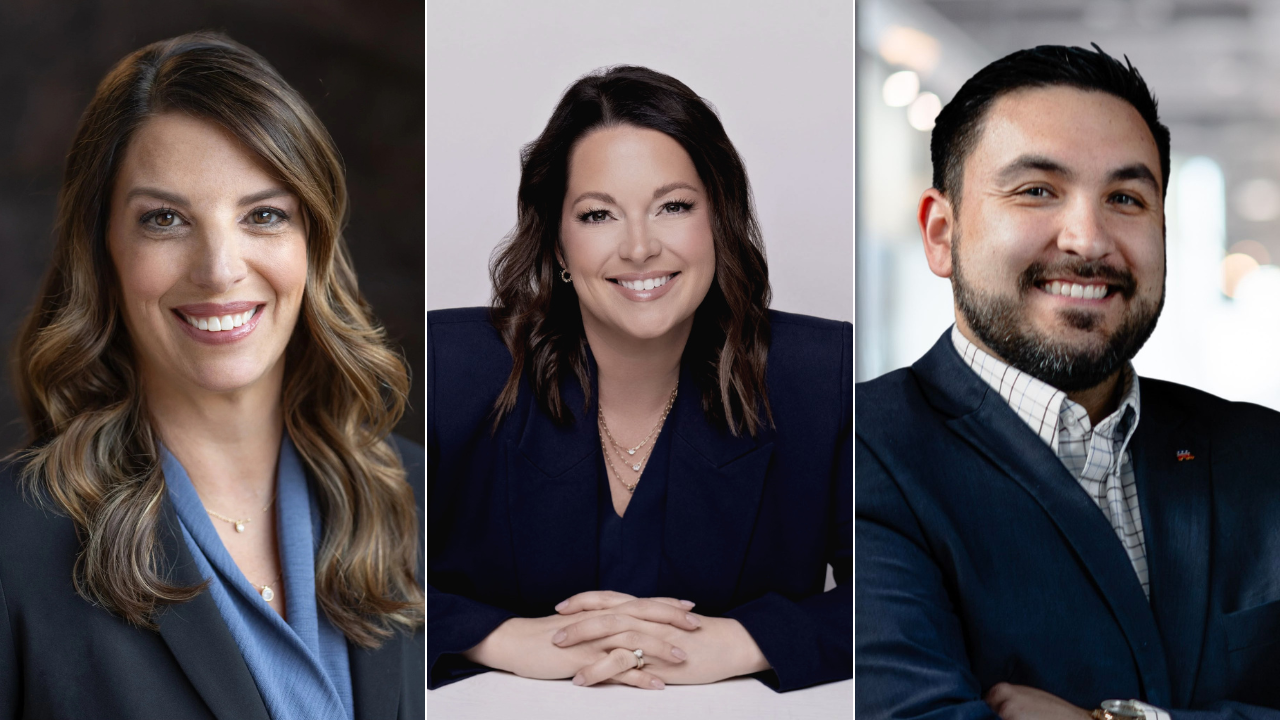
Simplified: District 14's senate seat is already decided as Larry Zikmund will return to Pierre unopposed. That leaves three people vying for the two open seats in the South Dakota House of Representatives.
What to expect
- This (extremely long) article will introduce you to all of the candidates running to represent District 14.
- All candidates answered the same slate of questions – compiled with input from Sioux Falls Simplified readers – which should allow you to easily compare and find the candidates that most closely align with your personal political views.
- Topics include:
- Data centers
- Education funding
- School choice
- Childcare
- Property taxes
- State budget
- Medicaid expansion
- Elections
- Open primaries
- Economic development
- Criminal justice
- And transparency
- Topics include:
- Candidates spoke directly to Sioux Falls Simplified in face-to-face interviews that were then transcribed and summarized. No candidates had access to the questions ahead of time.
- This careful methodology ensures that no candidate could rely on artificial intelligence or other third-party resources to craft their responses – something only guaranteed by a conversation.
Meet the candidates
Candidates are listed in alphabetical order and then rotating throughout the Q&A.
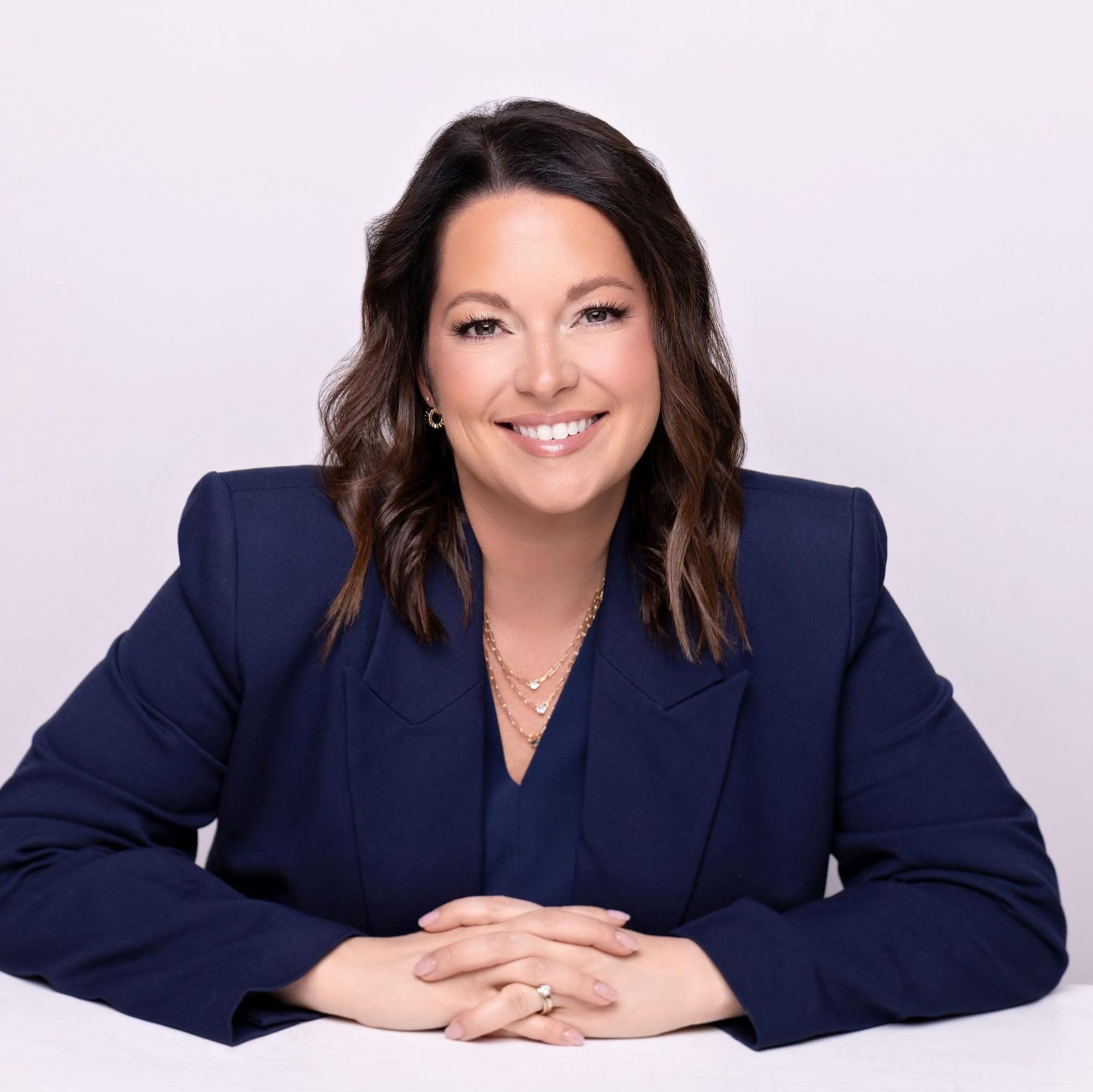
Taylor Rae Rehfeldt
Rehfeldt was unable to fit in an interview before the deadline, but her responses will be added by Monday, Oct. 5.
Tyler Tordsen
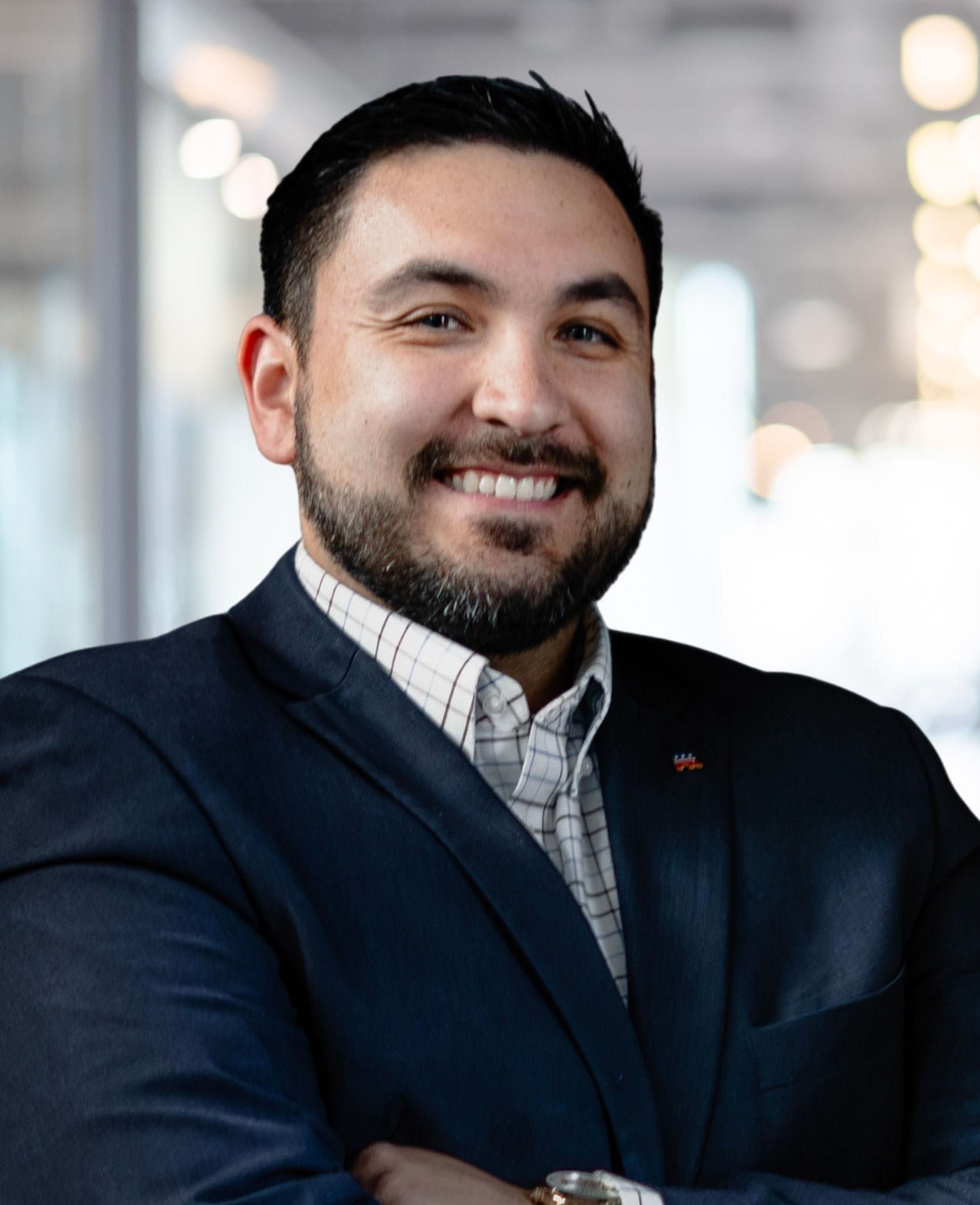
- Age: 34
- Occupation: President and CEO of Sioux Metro Growth Alliance
- Why are you running for this office?
- Tordsen is a lifelong South Dakotan who grew up in Rapid City and is an enrolled Sisseton Wahpeton Oyate tribal member.
- "Why I ran a couple years ago was I find value in diversity and different perspectives and pride in our people and pride in our state," he said. "(I want to) be able to make a difference, solve problems, show collaboration where we can. ... I want to make sure this state continues to be a place where my kids and future grandkids can have equal and better opportunity than I did growing up."
Erinn Williams
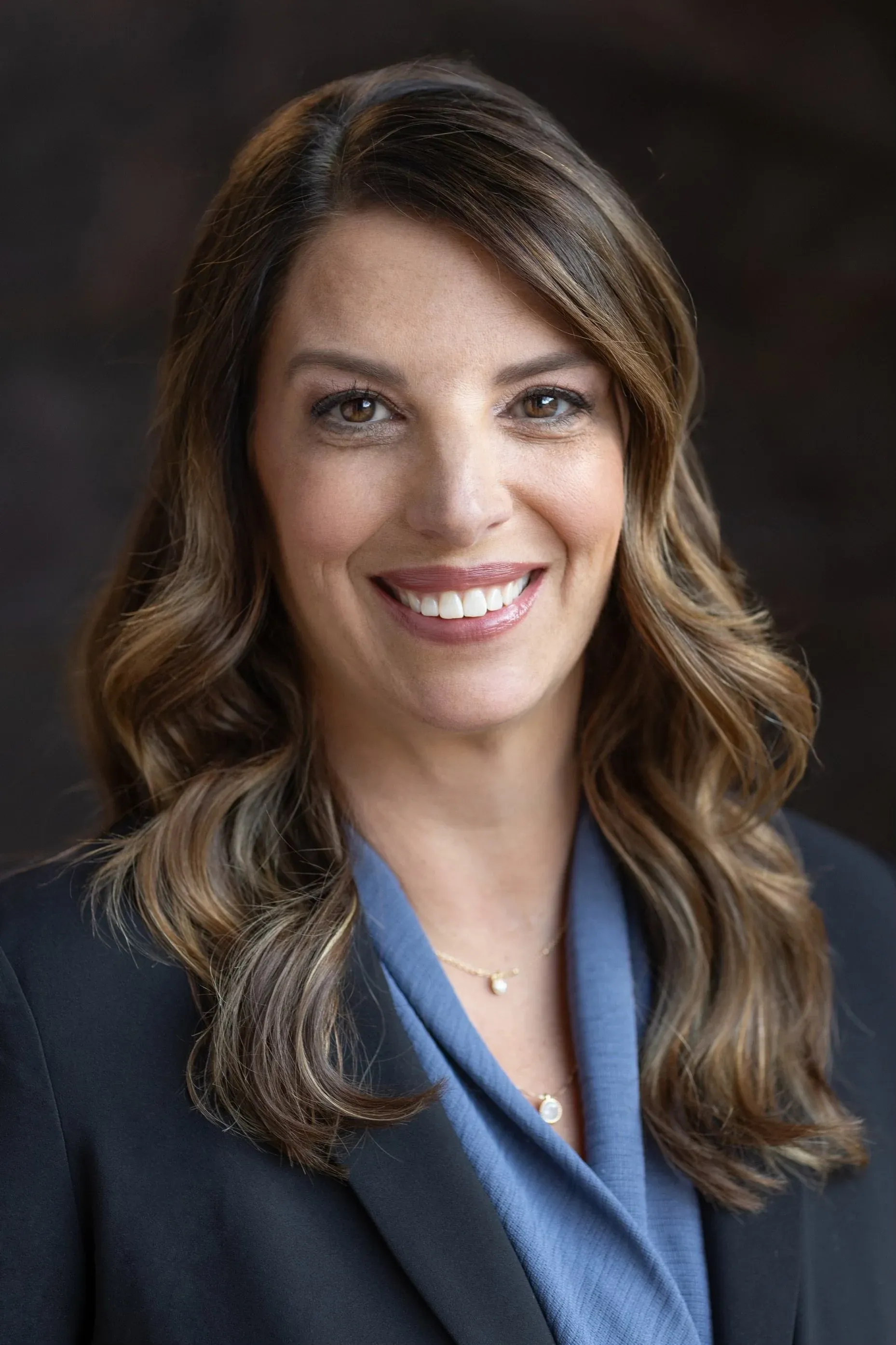
- Age: 49
- Occupation: Hairdresser and salon owner
- Why are you running for this office?
- Williams said she hasn't been politically involved much of her life, but having kids helped her realize how much local politics impacts her life. She hopes that by running she can show that it's possible to put yourself out there.
- "It's a huge deal that people don't really know what’s happening. It’s so easy to not get caught up in (local politics). It seems kind of elitist and out-of- touch
- "So I thought if I could break it down and have contact with people who are like me and even less educated and less trained than I am, that maybe I could make a difference in the process – and hopefully in legislature."
Here's how the District 14 candidates responded to a variety of policy questions
Answers are edited for clarity and length.
DATA CENTERS
What are your priorities when it comes to data centers in South Dakota? Do you support data centers, and if so, what, if any, limitations would you put to protect residents from negative impacts?
Rehfeldt: Responses coming soon.
Tordsen: "The really quick, short, blunt answer on this topic is that I’m not an automatic yes or no on anything.
- "I think we really need to look at everything on a case‑by‑case basis. I think certainly South Dakota has data centers on different levels. One size doesn’t fit all. You’ve gotta have the right project at the right time in the right location that’s gonna be a good neighbor. ...
- "Also we’ve gotta have respect for county/city ordinances and local decision making – something South Dakota has always been firm and proud in."
Williams: "I'm totally OK with a data center to run your business that's established here in South Dakota. It’s those big huge hyperscale data centers – those are the ones that I just am flat out, no thank you. We don't need it.
- I think the environmental impacts, impacts on people, livestock, water, air are huge. There are a few things that really fire me up about the data centers, and that’s the, 'what’s in it for me.' I still can't wrap my mind around if you get a 50-year tax exemption, and you're not employing more than a dozen people why the hell would we want you to come.
- "If you can provide economic development and help the state of South Dakota without detriment to the environment or our people, then maybe some people would accept it. I'm hesitant to say moratorium, but I do think a time out – let's let it simmer for a while and see."
EDUCATION FUNDING
South Dakota for years has given public schools less funding than required under state law. How big of a priority are public schools and ensuring they’re adequately funded?
Rehfeldt: Responses coming soon.
Tordsen: "This has been an issue that I’ve cared about since I was probably 10. I remember seeing how are we 51st in the nation and being frustrated with our teacher pay.
- "I remember being a kid and being in public schools – they're educating our future politicians, lawyers, doctors. We have to get that right. ... I’m an all‑of‑the‑above. I want us to keep pushing to have the best outcomes and best experiences for students, parents, families and the schools. I want to make sure they have the tools, funding, resources to do so. It's a top priority."
Williams: "The teacher pay in South Dakota is embarrassing. My kids are at Sonia (Sotomayor Elementary). We do this huge amount of fundraising to make up the difference in what the state gives us and what we need to be able to bring in these student teachers from other countries."
- Williams noted other schools in her district that aren't as lucky to be able to fundraise or don't have a parent-teacher organization.
- "I can't quite put my finger on why and how kids can be such a low priority – and of course our teachers. If we want to have better test results and better attendance and better results in graduation rates, then we have to maintain the teachers that we have. And if we’re not paying them enough they're going to continue to leave."
SCHOOL CHOICE
Do you support using tax dollars to subsidize private schooling, homeschooling or other school choice initiatives?
Rehfeldt: Responses coming soon.
Tordsen: "Not if it takes away from public education. ... If money wasn’t an object, and we had endless resources, and we could provide vouchers and stuff more than what we already do, I wouldn’t be opposed to that.
- "I think you should have the option. I’m supportive of educational choice to a degree, but not to the point where it takes away from public education. We have to give that right in all parts of our state."
Williams: "Absolutely not. I've been looking into Partners in Education (tax-credit scholarships). It's another $1.5 million that we took out of the general fund to put into a fund that’s getting underused."
CHILDCARE/AFTER-SCHOOL CARE
Do you support using state funds toward preschool/afterschool care and/or childcare?
Rehfeldt: Responses coming soon.
Tordsen: "Yes and no. I think on childcare in general it’s been a very unique equation and a unique thing that I think has gotten a lot of well‑deserved attention at least in the last 5 to 6 years. It’s a weird deal where parents already feel like they’re paying too much. It’s way too expensive, but yet at the same time those kinds of providers need more funding. ...
- "It almost needs an injection of cash, but where are you going to get that from? It's like the Spider‑Man meme where they're all pointing at each other. State government, local government or business community – they're all kinda pointing waiting to see who’s gonna flinch first. No one wants to be the first one to actually step up."
Williams: "Yes ... I think before school/after-school care are huge, and I think it is part of the state's responsibility to make sure parents are able to work and kids are taken care of.
- "I think the Partners in Education fund could really help us fund pre-K. ... My kids were very fortunate to attend Citibank daycare, and they had preschool built in. We paid for it. I don't think it's unreasonable to say the state will subsidize half. Do it on an income-based level so that those people who can afford it (are still paying)."
PROPERTY TAXES
Are property taxes a problem in South Dakota? And how do you weigh the needs of the taxpayers with the needs of local governments to provide essential services?
Rehfeldt: Responses coming soon.
Tordsen expressed frustration at how property tax legislation was "passed in the 11th hour" in Pierre this past session, and that we don't yet know the unintended consequences of that legislation.
- "Are property taxes still an issue? I don’t know. I think we’ve got to ride with what happens and see what kind of tweaks still need to be made. I would tread more cautiously than I think what we’ve been doing. I’m nervous. I don’t know what it would look like for us to get to a point where we can just eliminate property taxes."
Williams: "We don't have anywhere else to get funding that will cover make up as much difference as property taxes. ... If you were fully funding the schools then the schools wouldn't need to create these opt-outs. ...
- "The fact that there's not an income level top out or a property tax value cap is ridiculous. If you’re living in a $2 million home, somebody paying $1,800/month in rent shouldn't have to pay for your tax cut."
BUDGET
As in any budget scenario, the needs and wants of South Dakotans are greater than what the state spends on helping them. What’s your philosophy when it comes to the state budget, the amount of money in reserves and who should benefit from the tax dollars we all pay?
Rehfeldt: Responses coming soon.
Tordsen: "Certainly I think taxpayers need to be the beneficiaries. Government exists at all levels to provide essential services.
- "I’m a glass‑half‑full kinda person. I’ve had some exposure to where we certainly need to keep things balanced, need to prioritize wants vs needs. There’s not a lot of waste and fluff in our state, local and county budgets.
- "We do keep things pretty lean and pretty efficient. We need to constantly review that and still need to be flexible enough to make changes when necessary."
Williams: "The DSS underspend caught us all off guard. Having that surplus threw us all off.
- Why do we have so much money sitting in there? I get that we passed that we couldn't run in the red, but I think ... it’s scared people into putting money away, stockpiling because we’re so afraid to use it because we’re worried about the repercussions if we do hit a low level.
- "The rainy day fund is beautifully funded, and it is sitting there doing nothing. And it needs to be doing something. I want my tax dollars going to pay for roads, schools, police and fire, and they're just sitting there doing nothing. I run a pretty tight budget. I live a normal life. I’ll govern like that too."
MEDICAID
South Dakota voters supported medicaid expansion in 2023 – Do you think they made the right choice? How will/will you support ongoing access to healthcare for vulnerable residents and ensuring providers are adequately funded?
Rehfeldt: Responses coming soon.
Tordsen: "It is a delicate balance. I do get leary of putting too much faith in the federal government, presidential administration and Congress to keep their word.
- "Overall, I think I was more so supportive of Medicaid expansion with work requirements and that aspect. That’s another one of those core essential functions of government. People want the same thing – education, access to healthcare, shelter, economic opportunity, infrastructure, public safety. ... We can’t expect core functions like that and for providers to operate at a loss."
Williams: "Yes, I agree that Medicaid expansion was the right thing to do.
- I think especially right now when you see what’s happening with the federal government, I wonder if they even have any concern about all of those people who are on Medicaid.
- There's a huge amount of women who give birth on Medicaid in South Dakota. There’s a huge amount of children on Medicaid in South Dakota, and it just is an afterthought. Again you guys figure this out — we’ll be over here sitting on our stockpile of money and we’ll do it. So much of what I believe in is we should’ve been, from the beginning, taking care of our neighbors, and we’re just not doing a very good job of it."
ELECTIONS
What, if any, changes do you want to see the state make when it comes to absentee voting, voter registration, voter ID laws and elections in general?
Rehfeldt: Responses coming soon.
Tordsen said the move to combine local and state elections on one ballot was a good idea, but that he'd like t0 ensure ballots are printed on time.
- "The biggest thing I would like to see changed and for us to consider and look into is deadlines for things being submitted in, even petition deadlines. You have a hard deadline, but you rely on registered mail that takes days or weeks. ... Anything we can do to instill more confidence in our election process at any level is a good thing."
Williams said she'd like to see online voter registration implemented in the hopes of getting more young people to participate in local elections. She also shared the idea of hosting clinics to educate folks on how early voting work.
- "Somebody's got to make sure those people that went in and voted and did everything right still get their vote counted."
OPEN PRIMARIES
Is it time for open primaries in South Dakota?
Rehfeldt: Responses coming soon.
Tordsen: "I don’t think so. We saw it a little bit with people openly encouraging folks to be able to switch their registration. ... And for the most part we have a lot of transparency and a lot of access. ... There’s a lot of ways while still providing safeguarded elections that people are able to register how they want and make their voice heard however they need to."
Williams: "If we took the letters away from behind my name, and you had to figure out who I am and what I stand for, we wouldn't be in this mess right now.
- "I think open primaries could fix that for us.
- "I think about how many people switched parties to be able to vote against Toby Doeden, and ... I think if you get the right candidate out there, then you shouldn't be so afraid of what everybody else is going to say."
ECONOMIC DEVELOPMENT
How does economic development factor into your list of policy priorities? What role do you think the state should play in supporting existing businesses and attracting new businesses/industries?
Rehfeldt: Responses coming soon.
Tordsen: "I think the voters have been pretty clear, and I think we’ve learned a lot in the last couple years too where we need more communication and consultation. We almost needed to reset a little bit.
- "A lot of the big projects – some of them with an out‑of‑state nexus – tend to get more of the attention in the headlines. It’s not like smaller businesses or existing businesses don’t have the same access to those resources and haven’t been taking advantage of any of that. Sometimes we’re not showcasing it enough and lifting them up enough. Sometimes, we're not doing enough to let them know that you are eligible too. Government should not be in the biz of picking winners and losers.
- "I'm really proud of South Dakota that we don’t have all of our eggs in one basket either."
Williams: "I am a small business owner, so I’m super about other people having small businesses. I think that again South Dakota has focused on big business and big things and forgotten about little bitty people like me.
- "I think we need to focus more on small business that are trying to start up and supporting business that are here. Farmers should have that support as well."
CRIMINAL JUSTICE
What policies do you want to see enacted to support re-entry and reduce recidivism – especially in light of the new prison being built in Sioux Falls?
Rehfeldt: Responses coming soon.
Tordsen: "Education is a high priority for me. This is the other big one. ... We need to do a better job at lowering that recidivism rate.
- "These folks, when we’re done being mad at them, and they’ve done their time, most of them don’t want to go back. They’ve turned themselves around, want to be able to hit the ground running, provide for families. ... Let’s help them.
- "While they’re connected to the state let’s make sure they’re equipped. Let’s make sure they have an unexpired photo ID. Let’s make sure they have a birth certificate and social security card. Let’s help them with resume training. Let’s find those employers that need workers across the state. Let’s pair them up like a matchmaking service with industries that know what they’re getting."
Williams: "I’m a trades person. I’m blue collar. But I think when we talked about recidivism and looking at it, we’re talking about a men's prison. It's men who didn't get the education and the support that they needed. Generations of young men who get stuck in prison because they don't have access to finding a trade, finding a job, finding a way out of the path here on. Prevention is huge for me.
- "Once they're there it's a captive audience. Can we bring in a program that says what do you wanna be when you grow up? The problem is if we don't start focusing on why they got there in the first place they're just gonna keep coming back, and we're gonna need to keep bringing that. We've got to start figuring out why they're there in the first place, and trying to figure out how we can keep them out."
TRANSPARENCY
How do you plan to seek input from your constituents? What’s the best way for people to reach you with their feedback?
Rehfeldt: Responses coming soon.
Tordsen: "I’m running to be accessible, accountable and effective. People need to be able to have their voice heard whatever their means of communication. I have my cell on everything – website, email. I want feedback; I want to hear from folks. I want to be a voice and I want to be able to provide answers. I want to be helpful. It’s what I would want in my reps."
Williams: "I send a lot of emails to my legislators. I call people, I text people.
What happens next?
Election Day is Nov. 3.
You can check your voter registration on the Secretary of State's voter information portal. The voter registration deadline is Oct. 19.