Simplified: Sioux Falls Simplified spoke face-to-face with dozens of legislative candidates in the metro area. All candidates were asked the same slate of questions, and you can find comprehensive coverage for each district at sfsimplified.com.
Don't know your legislative district? This interactive map can help you find it.
Here's what we asked:
Is it time for open primaries in South Dakota?
Here's what candidates said:
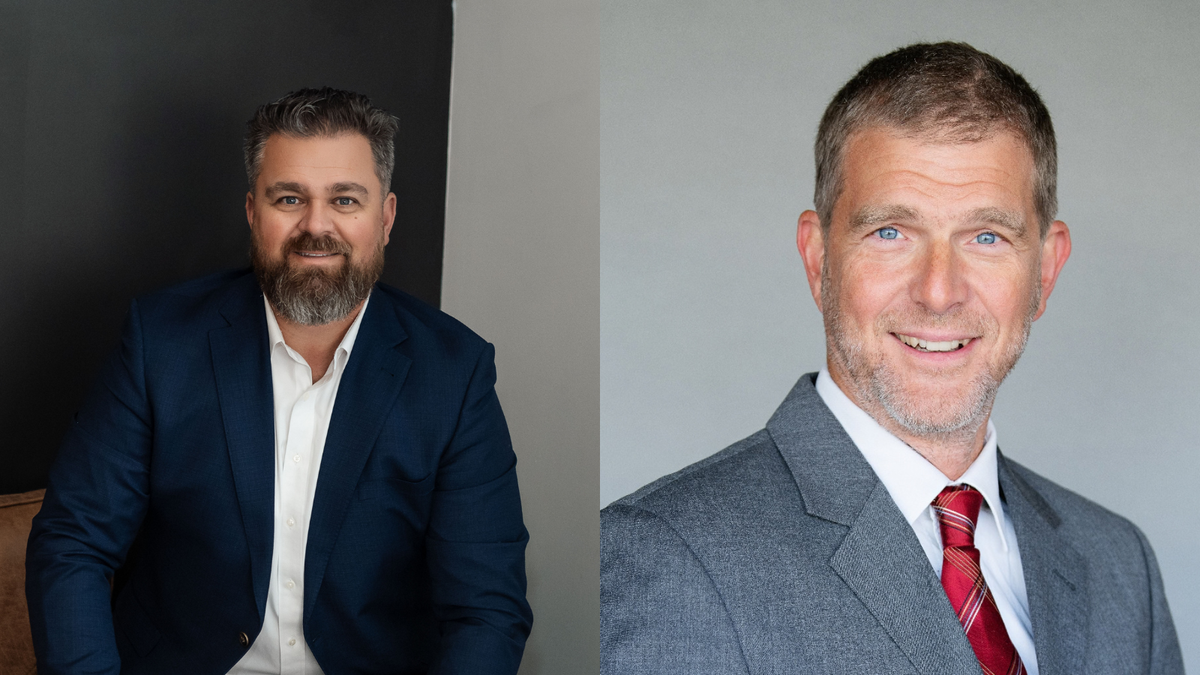
District 2
Adam Long: "I'm not for that. I do think the separation is good. I'm not saying that it's a perfect system, either – I think there's always room that we can improve."
Manuel Luschas: "I don't think so."
Blake Rife: "Really what we need is more engagement. We need people to feel like participation in government has value, and we need to create a system where legislators are actually out there having conversations with people and engaged."
See more from District 2 candidates here:
 Megan Raposa
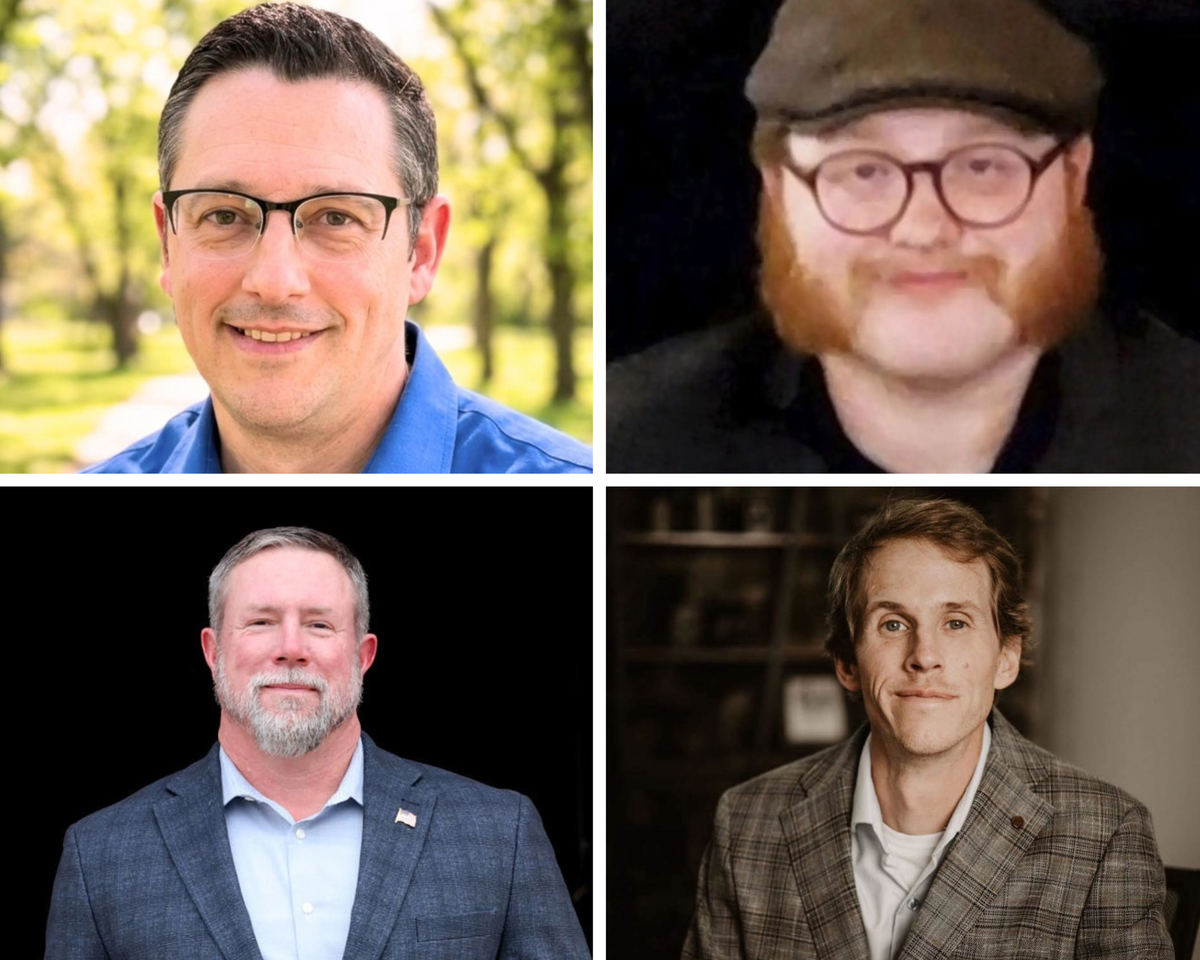
District 6
Garret Campbell: "I believe so, yes, but I know legality wise that is a question for the Republican primary to answer on their end. For the Democrats, it is open. I believe (Republicans) should have it open, but that is something their party can decide on their own."
Jerry Jongeling: "That’s a great question. I don't have an opinion on that one way or another.
- "I see both sides. I honestly do see both sides of it. I think we have working system right now, and I think we keep going with the system we have."
Elliott Neff: "I woud love to hear why those are necessary – what is the purpose for doing it?
- "We saw people change party in order to vote in another primary which could be as strategic move to say maybe we could win a race. There's all those kinds of issues.
- "I can't say I’m a fan of open primaries – neither can I say I’ve spoken deeply with people about the topic. On the surface, it does not seem to me to be a good idea."
Austin Wolf: "I do think it is – especially with what we just went through. Watching so many Democrats register as Republicans and then swing back – that's not the way the system's supposed to work.
- "I’m really big on person over party. I’m really pushing listen to person over party, and let's see what the people are saying."
See more from District 6 candidates here:
 Megan Raposa
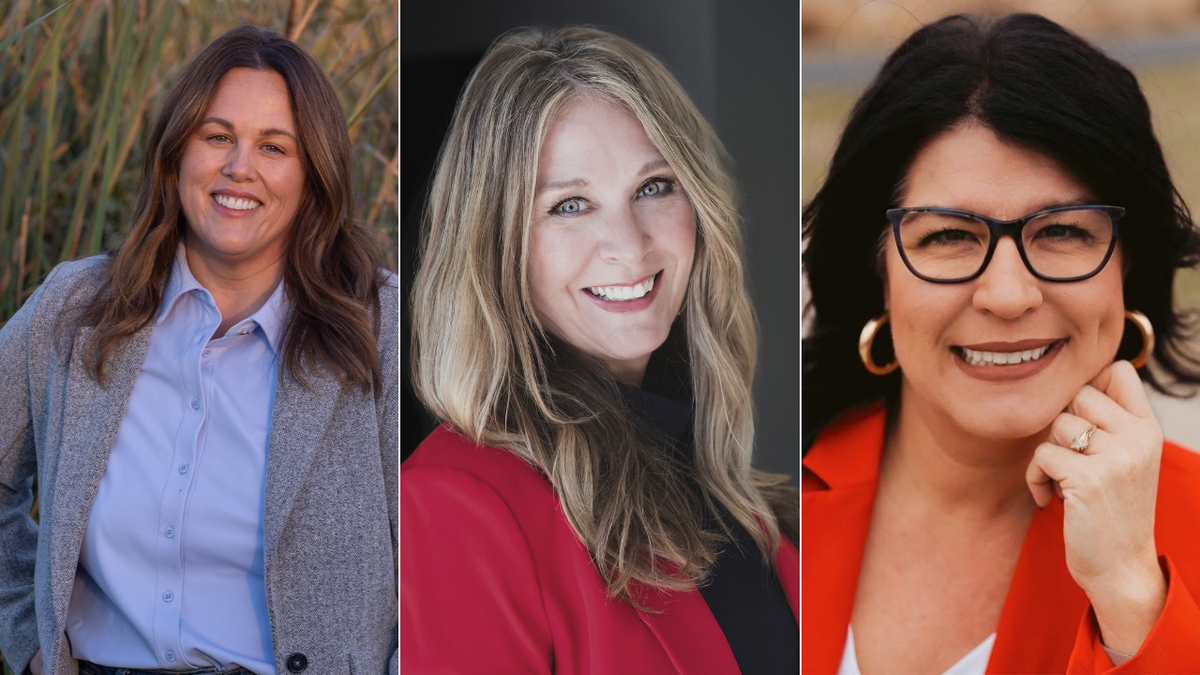
District 9
Amanda Potter: "I would love to see open primaries. I think the debacle that we saw in the Republican primary for governor and all the people switching so that they could participate in the primary just shows us that we do need open primaries. If you think that there's some kind of integrity in having a closed primary, there isn't because people will switch."
Megan Tschetter: "No. I think we should protect our parties and the Republican platform should stay the Republican platform."
Tesa Schwans: "No."
- She also outlined plans to present a SAFE Act (Secure, Accurate, Fair, Elections) next session, if elected.
See more from District 9 candidates here:
 Megan Raposa
District 10
Liz Larson (Senate): "I like the idea of open primaries. There are a number of ways that someone can do open primaries. There are different sorts of thresholds ... I don’t think it should be something that’s taken off the table."
Michael Dupic (Senate): Declined to be interviewed.
Adam Bair (House): "Yes. With a one-party-rule state, the people should have more say in who from that one party actually represents them and makes laws for them."
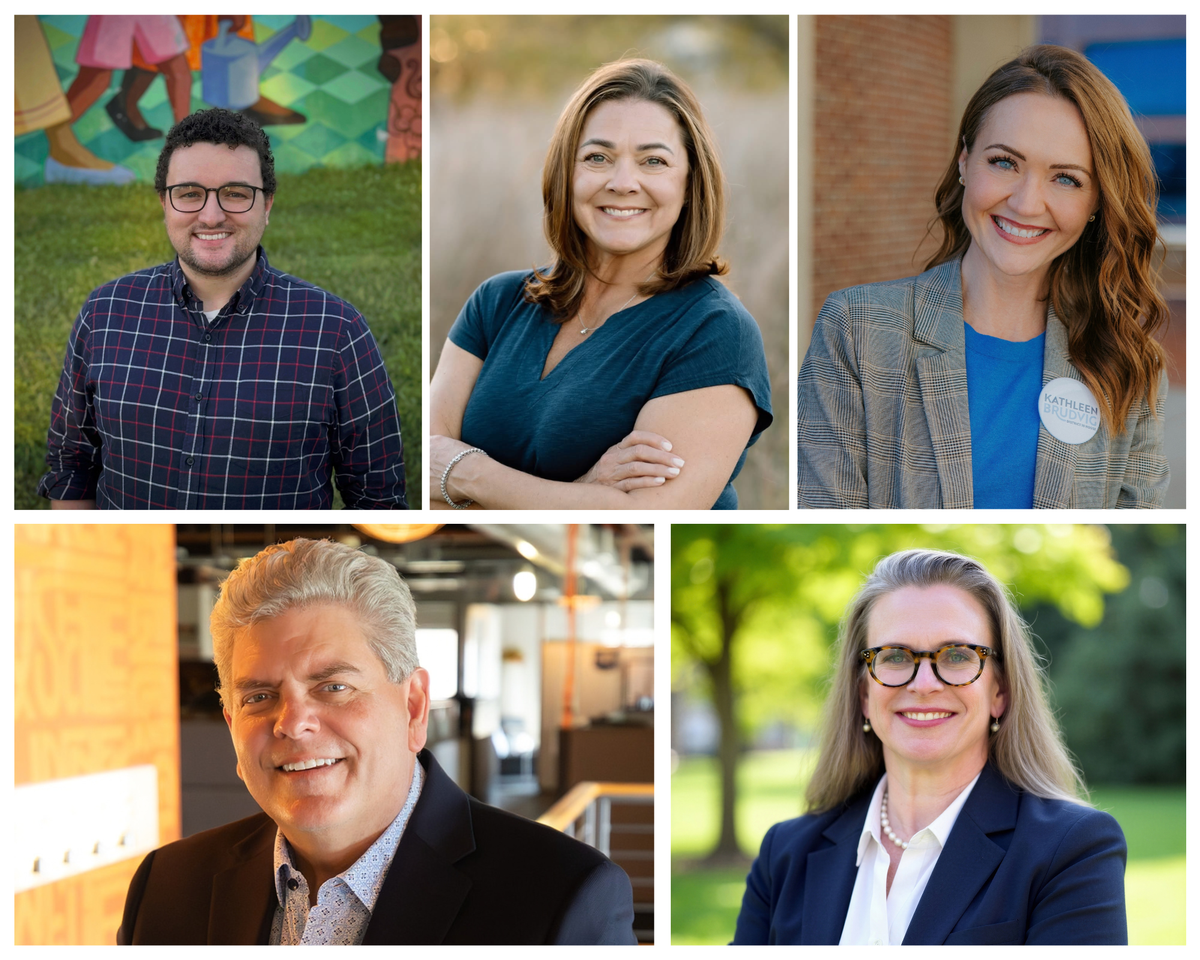
Kathleen Brudvig (House): "That one I go back and forth on. I think in some ways it would increase the democratic process and people being more involved, and then in other ways the state is kind of unbalanced.
- "It’s a hard question. I would have to research that more to really form a solid opinion on whether or not I would want to support that fully and depending on what that looks like. But I think there are big pros and cons."
Kimberly Petterson (House): "I don’t believe in open primaries. I think it creates confusion for the candidates."
John Pohlman (House): "It’s interesting. I’ve heard both sides of the issue. ... I ended up voting against it, but the requirements to get through a primary and the requirements to win a general are two very different things.
- "Open primaries are not without merit. I’m just not ready to commit to it right now."
See more from District 10 candidates here:
 Megan Raposa
District 11
Chris Karr (Senate): Did not respond to interview requests.
Aaron Matson (Senate): "I’m open to open primaries. I would rather try what I suggested first – letting independents vote in either primary – but I think independents should be able to vote in primaries."
Brian Mulder (House): "I wouldn't go that far, no. The party system still has some legitimacy."
Sonja Mentzer (House): "I’m not opposed to open primaries.
- "I’m more of a supporter of ranked choice or some other options for sure. I think when you have a list of five candidates or more, we would’ve been one-and-done on the election, and we wouldn’t have had runoffs. That would’ve saved all of us the time and effort, money, volunteer poll workers, and we wouldn’t have had runoffs at all."
Tracey Quint (House): "I don't think so. What scares me a little bit about open primaries is if everybody's in one basket, we end up with multiple Republicans running for the same seat or multiple of one party running for the same seat.
- "The way we have it now, at least, we're primary-ing this party and we're primary-ing that party. I would rather keep those separate and then have the general election where we vote across the different lines."
Keri Weems (House): "I have never been for open primaries, but this last election cycle really made me think a little bit harder on that. So I haven’t come to a firm conclusion. But I think that engagement is really, really important."
See more from District 11 candidates here:
 Megan Raposa
District 12
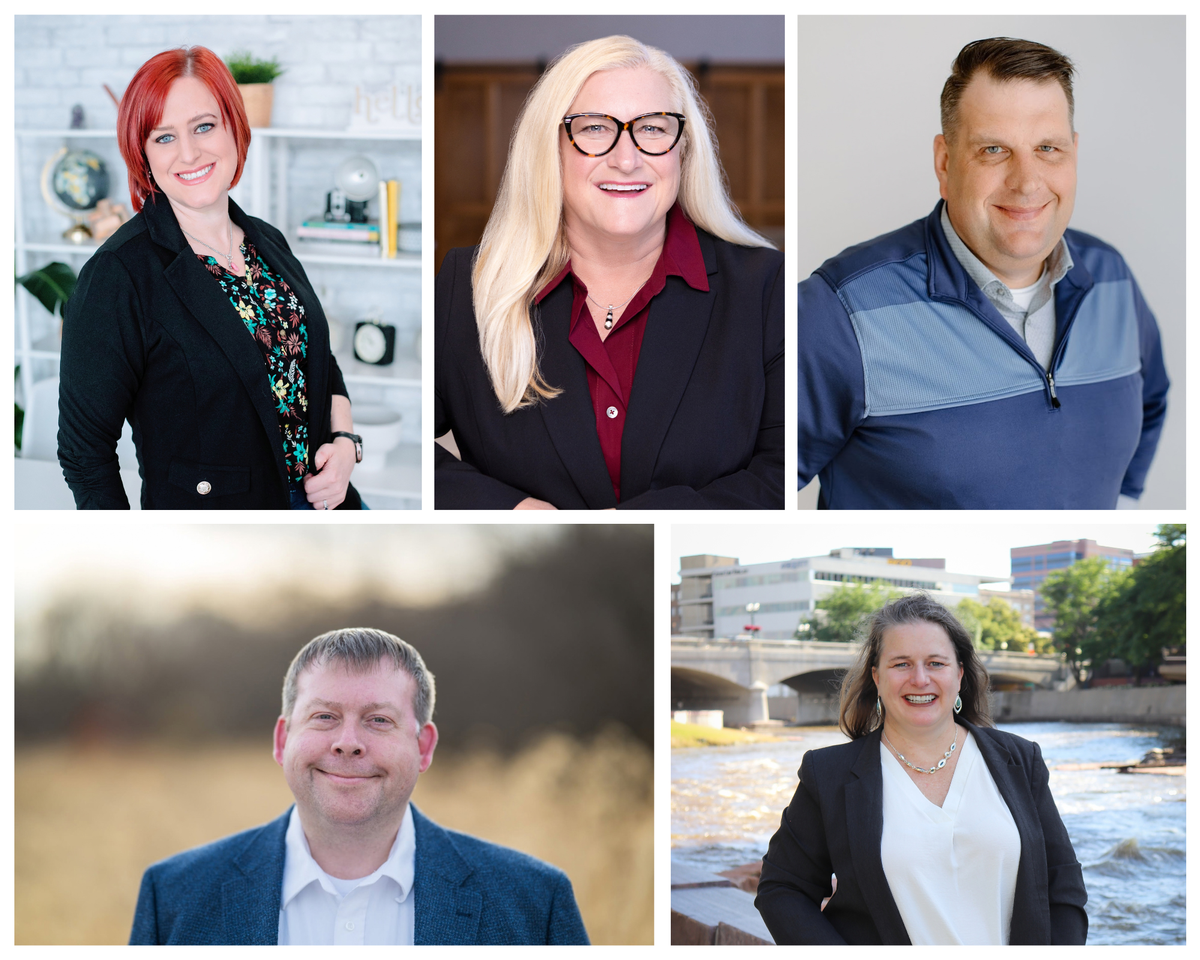
Amber Arlint (House): "I’m glad you asked about that. That was such a large topic in the last primary cycle, and I really haven’t heard a lot from constituents in this election cycle on whether or not that’s something that’s important to them.
- "It spoke loud and clear when it was sent to the voters last time. I’m not sure, but I think that should be a voter‑led decision."
Stephanie Arne (House): "Yes. I know that might not be popular with everyone within the parties. I feel a bit more independent in my mindset. I think providing all voters the option is valuable. As a voter, I would personally love open primaries."
Kerry Loudenslager (House): "Nope. I’m not in favor of that at all. Let the parties vote."
Kari Shanard-Koenders (Senate): "I have weighed that question. I have friends who switched from independent to Republican so they could vote in the primary.
- "I’m actually happy about that when they do that so they can get their voice heard. But it is sort of an administrative nightmare to get back and register as an independent. I have to do more study on that."
Joe Zweifel (Senate): Could not be reached for comment.
See more from District 12 candidates here:
 Megan Raposa
District 13
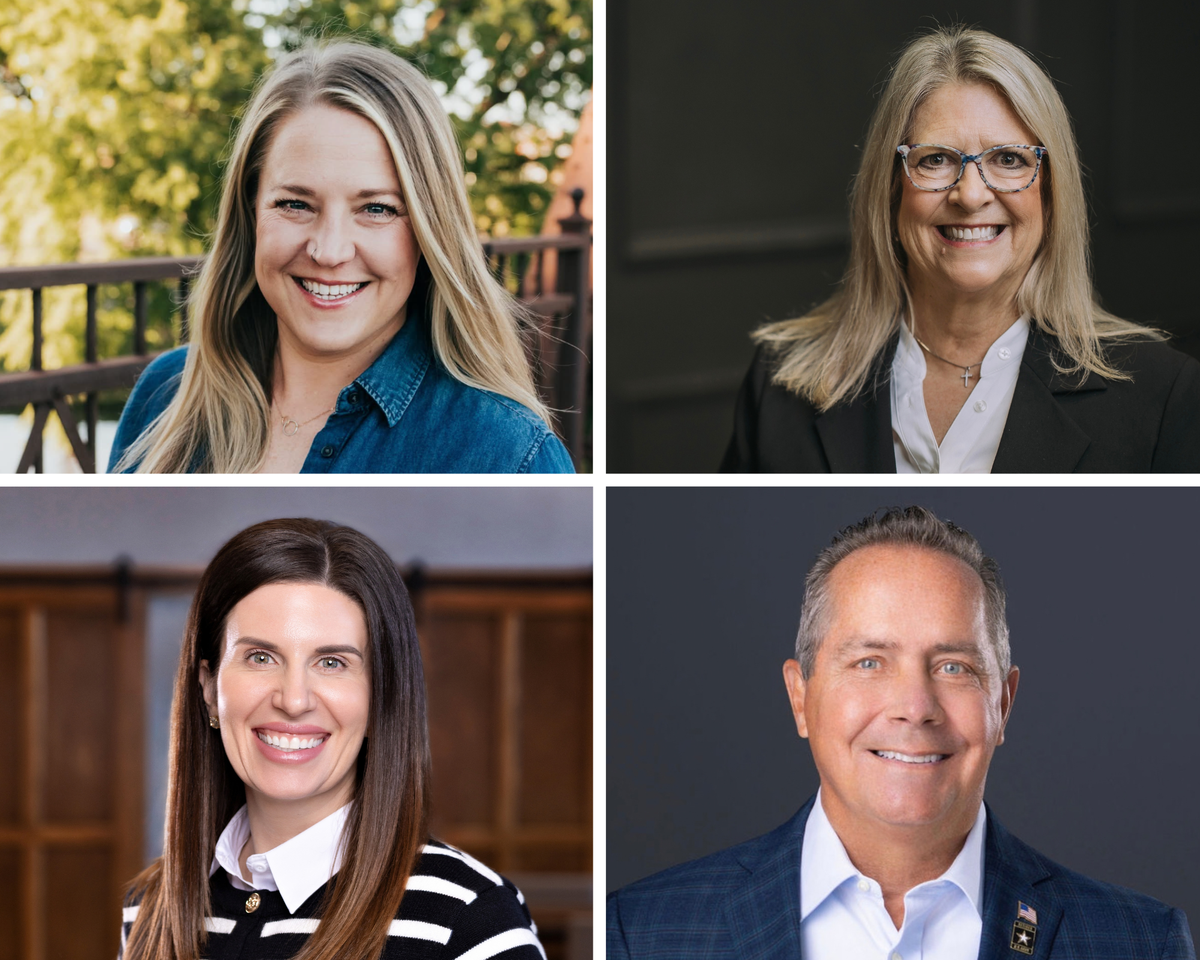
Ali Rae Horsted: "No, but I would be in favor of ranked‑choice voting as opposed to open primaries.
- "Democrats already have open primaries. I would say no to open primaries. I don’t think that’s the answer, but I think ranked‑choice voting could be a better alternative."
John Hughes: "No. If we have open primaries we’re gonna have government by plurality based on identity politics, and identity politics is the most destructive."
Jack Kolbeck: "It’s a tough question to answer for me, but I’m not in favor of open primaries. I think the system that we have works. I think that the people within their own parties whether independent, Democratic or Republican know the people they want to have and run for those particular seats. I’m not a fan of an open primary."
See more from candidates in District 13:
 Megan Raposa
District 14
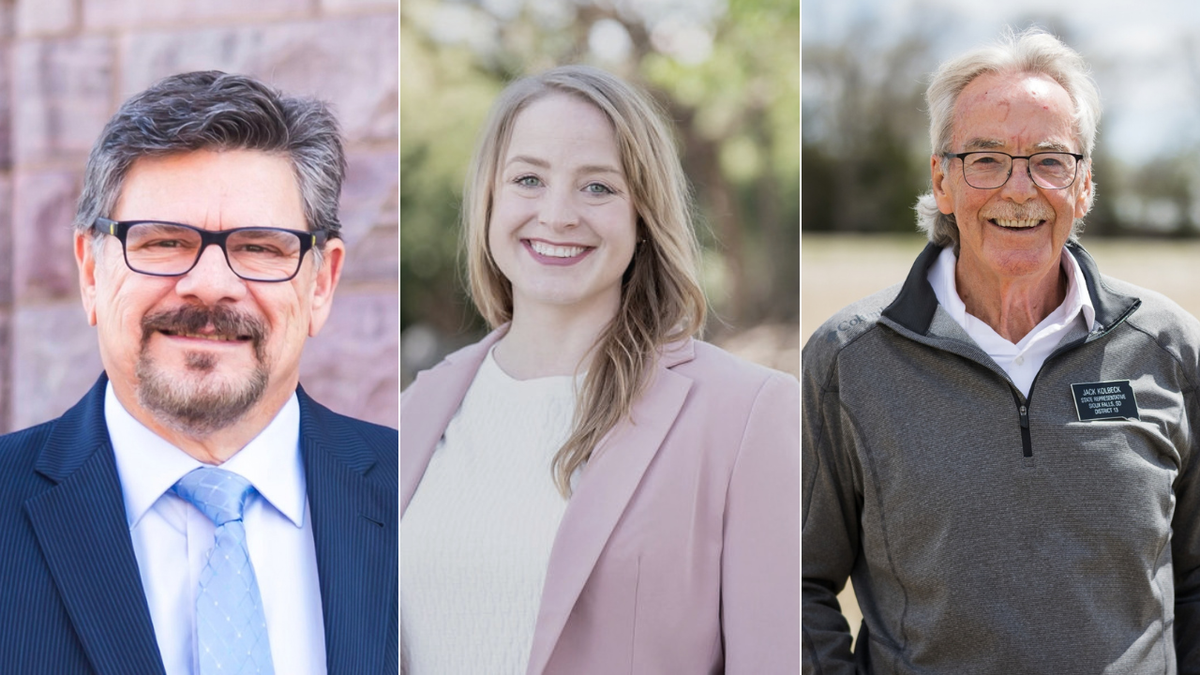
Taylor Rae Rehfeldt: Could not be reached for comment before deadline.
Tyler Tordsen: "I don’t think so. We saw it a little bit with people openly encouraging folks to be able to switch their registration. ... And for the most part we have a lot of transparency and a lot of access. ... There’s a lot of ways while still providing safeguarded elections that people are able to register how they want and make their voice heard however they need to."
Erinn Williams: "If we took the letters away from behind my name, and you had to figure out who I am and what I stand for, we wouldn't be in this mess right now.
- "I think open primaries could fix that for us.
- "I think about how many people switched parties to be able to vote against Toby Doeden, and ... I think if you get the right candidate out there, then you shouldn't be so afraid of what everybody else is going to say."
See more from District 14 candidates:
 Megan Raposa
District 15
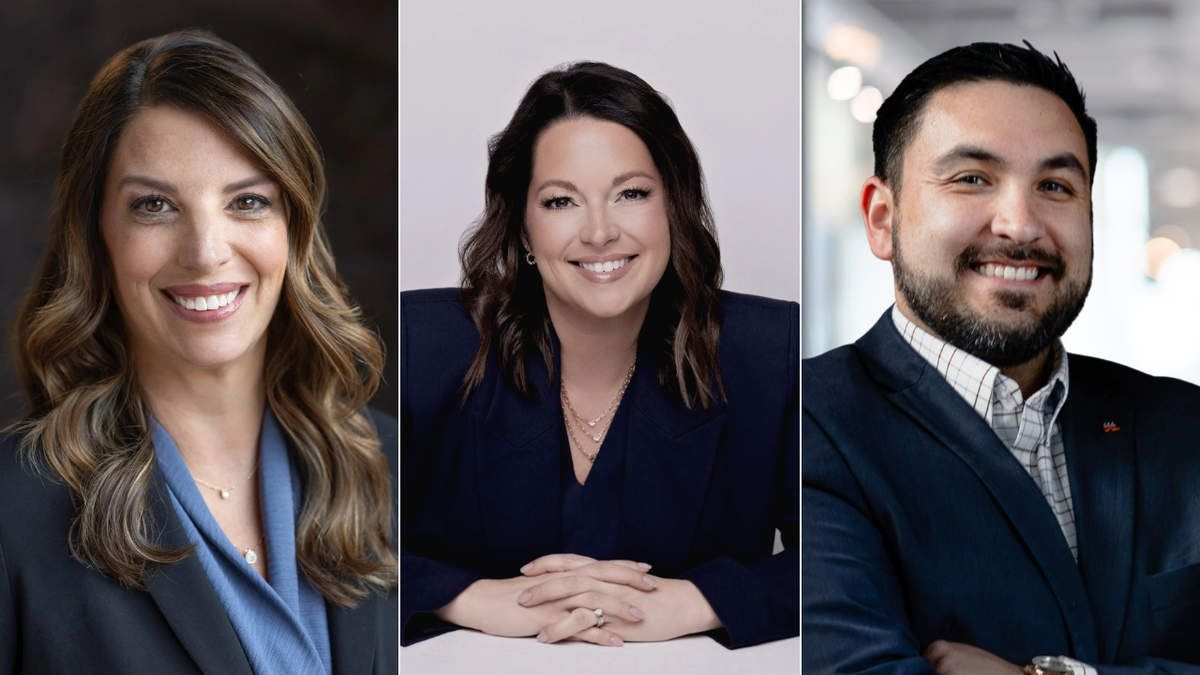
June CopperStad (House): "Absolutely. We see the desire for people to participate in their elections and we don’t need to be pushing people into, 'you have to be a Republican, you have to be a Democrat.' I think largely across the board we would say that we don’t want that.
- "Even members of each party would say this is not a benefit to us. We know party politics does not serve community need. It just creates division and makes it harder for people to participate in the democratic process. Unfortunately the Republican Party doesn’t see the value of that, (and it is) such an effort to jump through that hoop to have your voice heard in your own state."
Brenda Lawrence (Senate): Could not be reached for comment before publication deadline.
Erik Muckey (Senate): "Yes, in a different form than what was presented on the ballot. I think it’s important to understand that the majority of states have some form of open primaries, particularly being able to say which primary you’re going to vote in as an independent voter.
- "We do this around the country without losing sight of our ability to participate in any type of political party process. It’s certainly time for us to look at reform."
Joni Tschetter (House): "No."
Kadyn Wittman (House): "Yes, I’ve been in favor of them. I supported Amendment H (in 2024). Independent voters are disenfranchised by our current system. I want every single person to be able to vote and remove as many barriers as possible."
Andre Zachariahs (House): "South Dakota voters said no to that. I think it’s something that has maybe been gaining traction. I don’t know if right now is the right time."
See more from District 15 candidates here:
 Megan Raposa
District 16
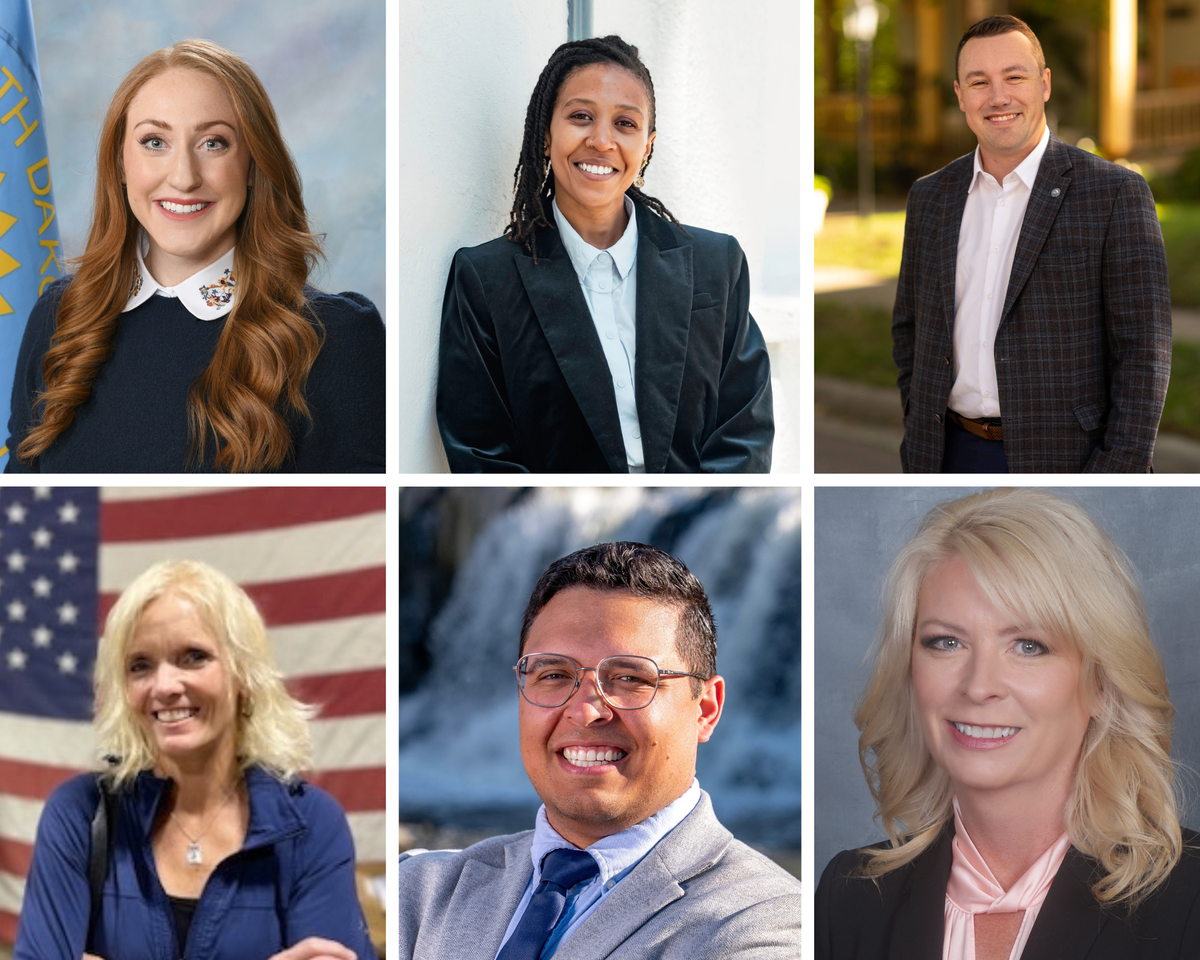
Lisa Bogue: Could not be reached for comment.
Tim Rhead: "I don’t personally know enough about them to say yes or no on that. I do know we had, again, the people voted on that a couple years back. There was an initiative to get that done, and it did not pass. We had the will of the people and that’s what we need to follow in the state. Maybe that needed to be explained better in exactly what open primaries meant."
John Shubeck: "I don’t like open primaries, no. At that point why do we have parties?
- "I think having a political party with a platform that people can reliably get behind is a great way to vet candidates. When you go to the voting box, a lot of the voters are not as informed as you’d like them to be, anyway. You’d love for them to do more research on the candidates, and I think it’d be great if we could reduce the amount of money in these campaigns. I think that’s gotten out of hand. If you go to an open primary that puts all the onus on the voter to go in there and do all their research."
See more from District 16 candidates:
 Megan Raposa
What happens next?
Election Day is Nov. 3.