Simplified: Sioux Falls Simplified spoke face-to-face with dozens of legislative candidates in the metro area. All candidates were asked the same slate of questions, and you can find comprehensive coverage for each district at sfsimplified.com.
Don't know your legislative district? This interactive map can help you find it.
Here's what we asked:
As in any budget scenario, the needs and wants of South Dakotans are greater than what the state spends on helping them. What’s your philosophy when it comes to the state budget, the amount of money in reserves and who should benefit from the tax dollars we all pay?
Here's what candidates said:
District 2
Adam Long: "I understand there's inflation and things like that, but that's always interesting to me that our taxes have gone up quite a bit, but people's lives havent changed.
- "That's what taxes should do is effecting positively the people who are paying in. We absolutely have to get back on a real budget to truly understand what it costs to run our state to run our cities.
- "There's just so much stuff that we’re wasting money on that we're not going to know until we do a zero based budget."
Manuel Luschas: "My family calls me El Cheap-o, so, I don't like to spend money ... I think state government should be run in a similar fashion.
- "Yes, you have expenses that you need to meet, but you should not every year go out and find new projects that you want to put your money in. You should really be frugal with the tax dollars people entrust to you, and you should make an effort to keep your spending to a minimum and save as much as you can.
- "I'm not in favor of these pet projects – there needs to be real hardship or real needs documented."
Blake Rife noted his upbringing in Sioux City, "a blue-collar town" and the shift in the 80s toward trickle-down economics, which left the government "spending less money on individuals."
- "Look at SNAP — that’s survival-level income, A, and, B, it’s not like that money goes in their pocket, and then they stick it in there. That is money that directly goes back into business here in South Dakota.
- "That’s the job of government is to keep money moving through the system so that everybody has a chance to earn and everybody has a chance to be competitive. ...
- "The ways we do that are SNAP, Medicare, Medicaid (etc.), so we're not caught with our pants down."
- Rife also noted the importance of having some savings, i.e. reserves.
See more from District 2 candidates here:
 Megan Raposa
District 6
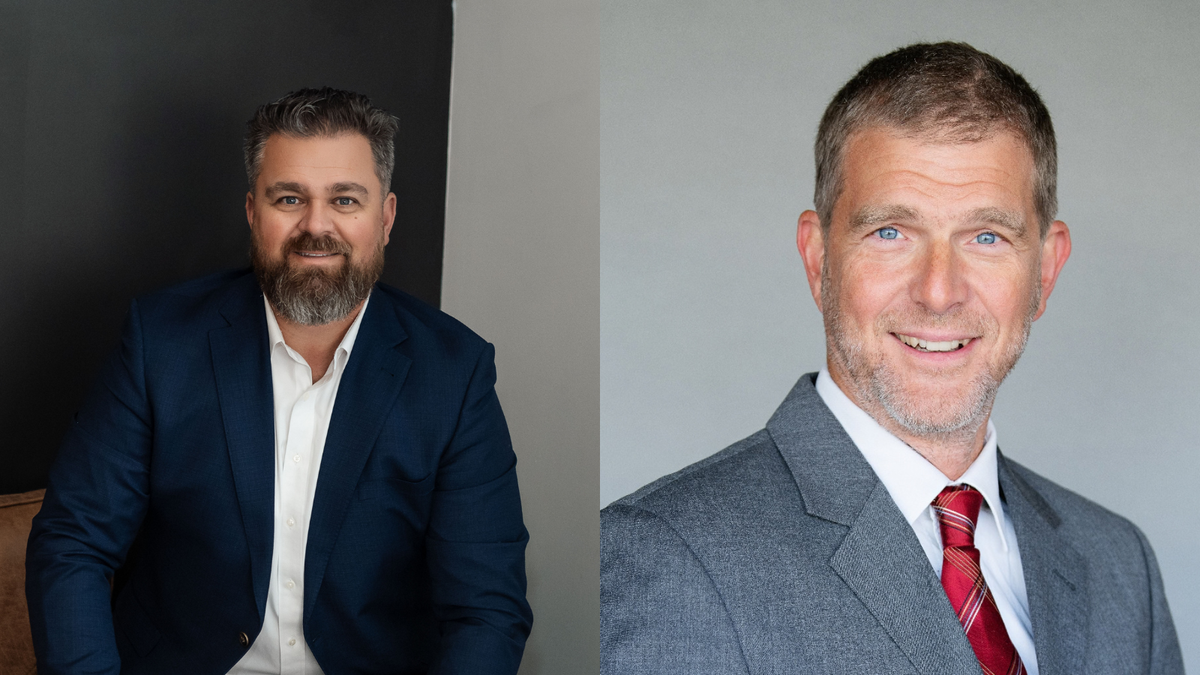
Garret Campbell: "The majority of the budget should go back to the people or help the people in some way, shape or form."
- Campbell also cited priorities of paying state employees, keeping up with infrastructure and maintaining reserves.
- "We could have another dust bowl next year, you never know. I'm not against having a surplus and having that money in reserve in case we have a local disaster."
Jerry Jongeling: "I love how we have our constitution resolution to have a balanced budget. Going in debt is never a way in your personal household or whatever.
- "That said, it's really hard to manage everyone with their hands out asking for (money) and taking care of our needs. Our road, infrastructure, education, healthcare – those have to remain our top priorities.
- "We always have to look at any new programs that come in, and ask is it worth taking away from the old programs for something new."
Elliott Neff: "In many ways, government is a cancer. Maybe it's a necessary evil, shall we call it? It was set up with checks and balances for a reason, and I think those are very necessary, and I think the lack of transparency and accountability in what often happens is an issue."
- Neff said his approach is looking at what the government can get out of rather than what the government can get into. He also wants to see more citizens sharing their input, and added that his 30 years of business experience in various industries will help him apply complex problem-solving skills to the budget process.
Austin Wolf: "I consider myself a conservative. I'm a plumbing contractor, and I understand budgeting from that sense.
- "To me the state had a good surplus going for awhile, and we blew through that really fast. I think the people who need to benefit from the taxpayer money are the people that need it the most: the disabled, people that are hard up.
- "I understand there are some people who abuse the system, but I personally know people who despeartaley need it. I do consider myself pretty conservative, financially. I would like to see the state save."
See more from District 6 candidates here:
 Megan Raposa
District 9
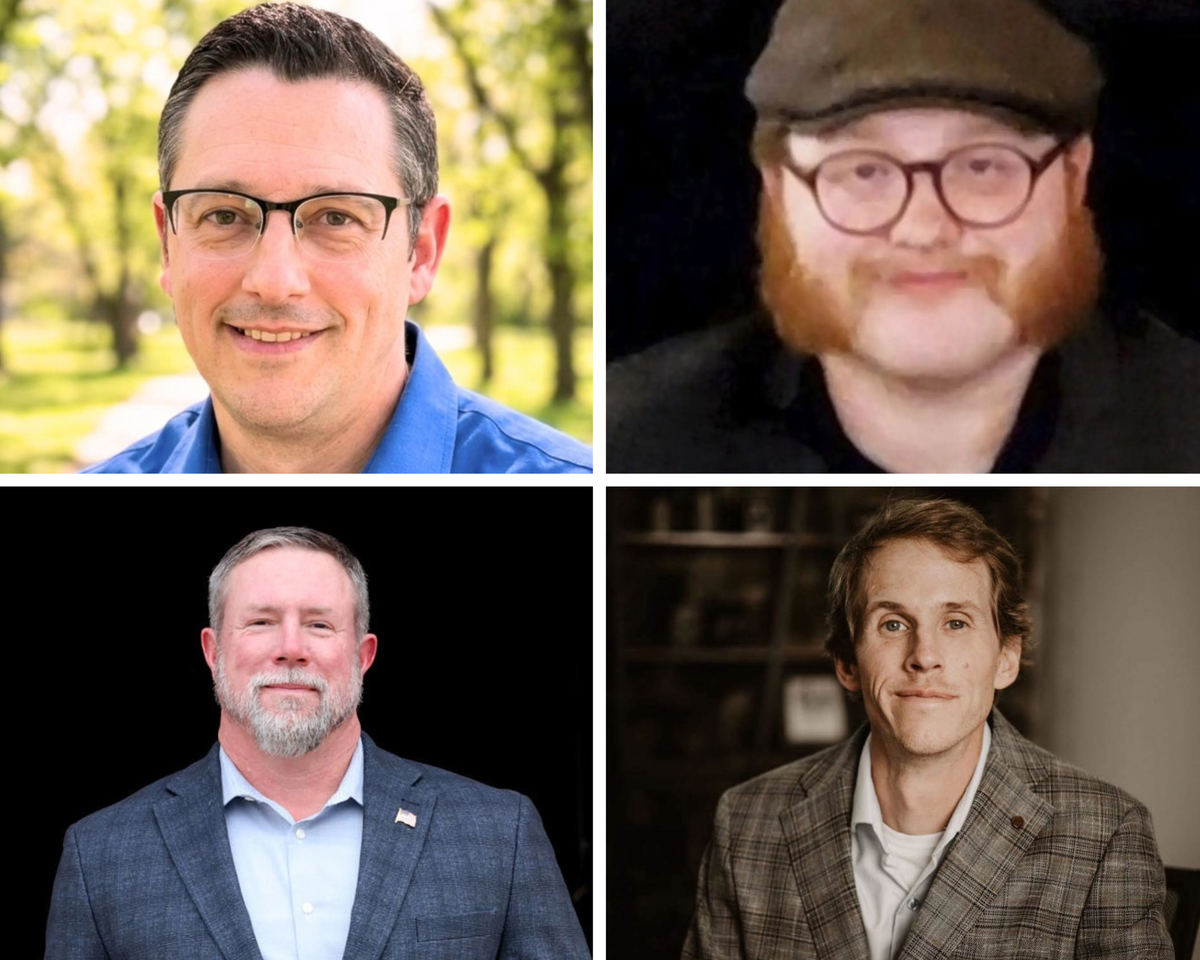
Amanda Potter: "That’s our money, and that money should be spent to help the average citizen, or it should come back to the average citizen. That's how I feel.
- "There are a lot of times it disappears into a black hole, or it becomes part of this gigantic reserve that is not getting spent.
- "I believe in fiscal responsibility. I believe in saving for a rainy day, but at some point it goes beyond saving for a rainy day, and it becomes hoarding. I think we can be doing more to help families, to help seniors, to help single people who are really struggling right now."
Megan Tschetter: "I think we really need to look closely at where the state spends the money and whether it's working.
- "We need to cut waste and unnecessary spending, and we need to return savings to the people instead of finding new ways to spend them. I’m not a big proponent of finding new ways to spend the money."
Tesa Schwans: "You want to have a balance between how much is depending on government subsidies and how much is really dependent on growth and development within South Dakota in an intentional and good way.
- "I think South Dakota has been fiscally responsible in balancing our budget. There’s always going to be some pros and cons to the budget – things people agree with and things people don’t agree with.
- "I think the great thing we can say is South Dakota has balanced our budget, and we’re very fiscally responsible in our intentions and doing good for citizens in a responsible way."
See more from District 9 candidates here:
 Megan Raposa
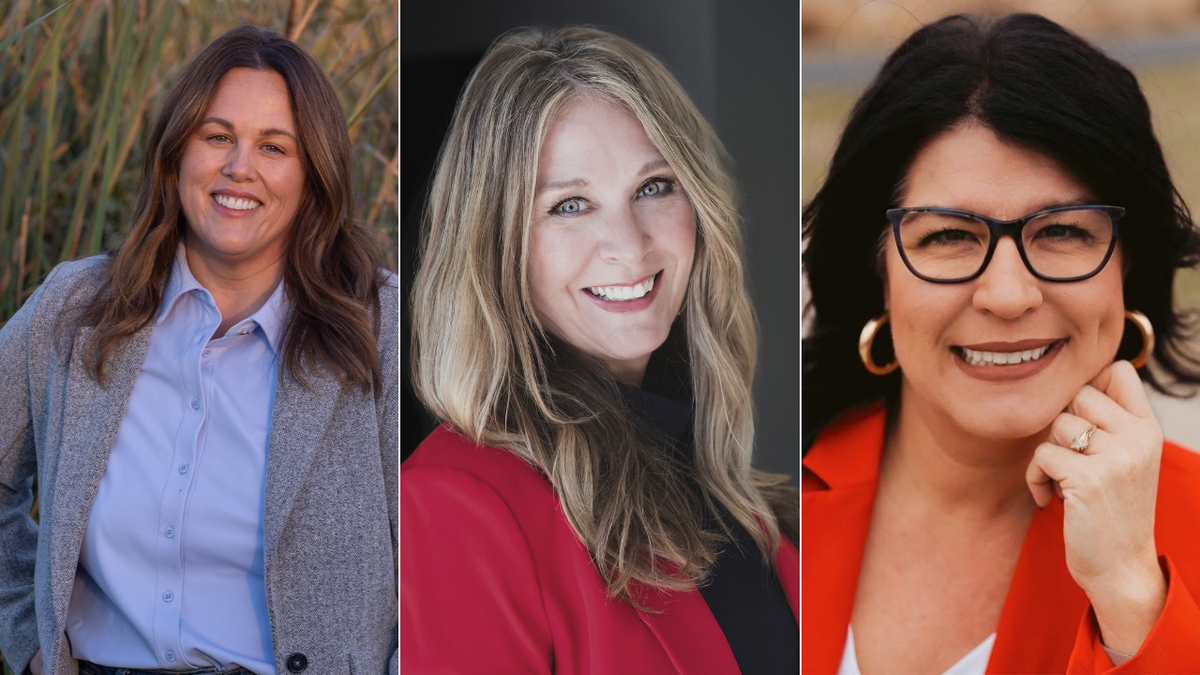
District 10
Liz Larson (Senate): "It should be equitable, and I think our budget is a moral document and it shows where we place value.
- "When we continually don’t prioritize things like public education, we don’t prioritize temporary assistance for needy families (TANF), we don’t prioritize SNAP (supplemental nutrition assistance program) – in fact, we slowly reduce these things – it shows where our values are. And that makes me quite disappointed.
- "We’re South Dakotans. None of us want people to be given stuff for free, but the way that we are funding programs for people in transition are just really — it’s just inadequate. It shows a deep misunderstanding of what the middle class are experiencing right now. I just feel like it doesn’t always reflect what it should reflect."
- "There are other areas of the budget that I think are great. I think we should be investing in economic development and meeting financial obligations we’ve been given."
Michael Dupic (Senate): Declined to be interviewed.
Adam Bair (House): "When we pay taxes we are expecting a return on that. Nobody pays taxes out of the goodness of their heart. When I pay my taxes I expect the government to make responsible choices with them.
- "I believe using those funds responsibly is important. I think the surplus of money coming from the Department of Social Services is very concerning because that is money that is allocated for those programs to help people who are in the most dire need.
- "(I'd like to see it) reviewed to make sure that funding is being used for what it needs to be used for rather than turning people away or making it more difficult for them to apply and use that money."
Kathleen Brudvig (House): "I think average South Dakotans should benefit from the tax dollars we all pay. I’m absolutely a fan of saving for a rainy day and South Dakota does that well. But I don’t think we are utilizing tax dollars appropriately when we continue to just funnel money into reserves.
- "When we are saying let’s cut Medicaid, let’s cut SNAP, let’s cut TANF, when we aren’t adequately funding the things that tax dollars should be funding, but we’re putting away more and more money for a rainy day, the average South Dakotan should benefit from the taxes we all pay. I think we do that best by utilizing the tax revenue that comes in.
- "We have a lower tax burden. Utilizing that appropriately to benefit South Dakotans is, I think, of the utmost importance."
Kimberly Petterson (House) cited concerns with the increase in the state budget seen in 2026 (up $400 million year-over-year).
- "Being that my husband and I own our own business, we know what it means to run a budget. (We've had) times where we’ve had to not pay ourselves. Government should be run the same way. You’re taking it from the people of South Dakota, and if there’s not money to spend on certain things legislation wants to do, it shouldn’t be spent. I think the budget needs to be scrutinized more."
John Pohlman (House): "The fact is South Dakota’s growing, and it’s key that we make sure that growth is responsible with regards to our government expenses.
- The constitution requires that we balance our budget, and that will require tough decisions. And that’s a much better scenario than just going into the red like a lot of states do. I’d rather have to make the hard decisions than just write a check that we can’t cash on the back end.
- The key is being responsible with the dollars that we have, and that’s the legislature’s job. It’s the governor’s office’s job, and I think to that point South Dakota’s done a very good job with it, and I look forward to being a part of that debate."
See more from District 10 candidates here:
 Megan Raposa
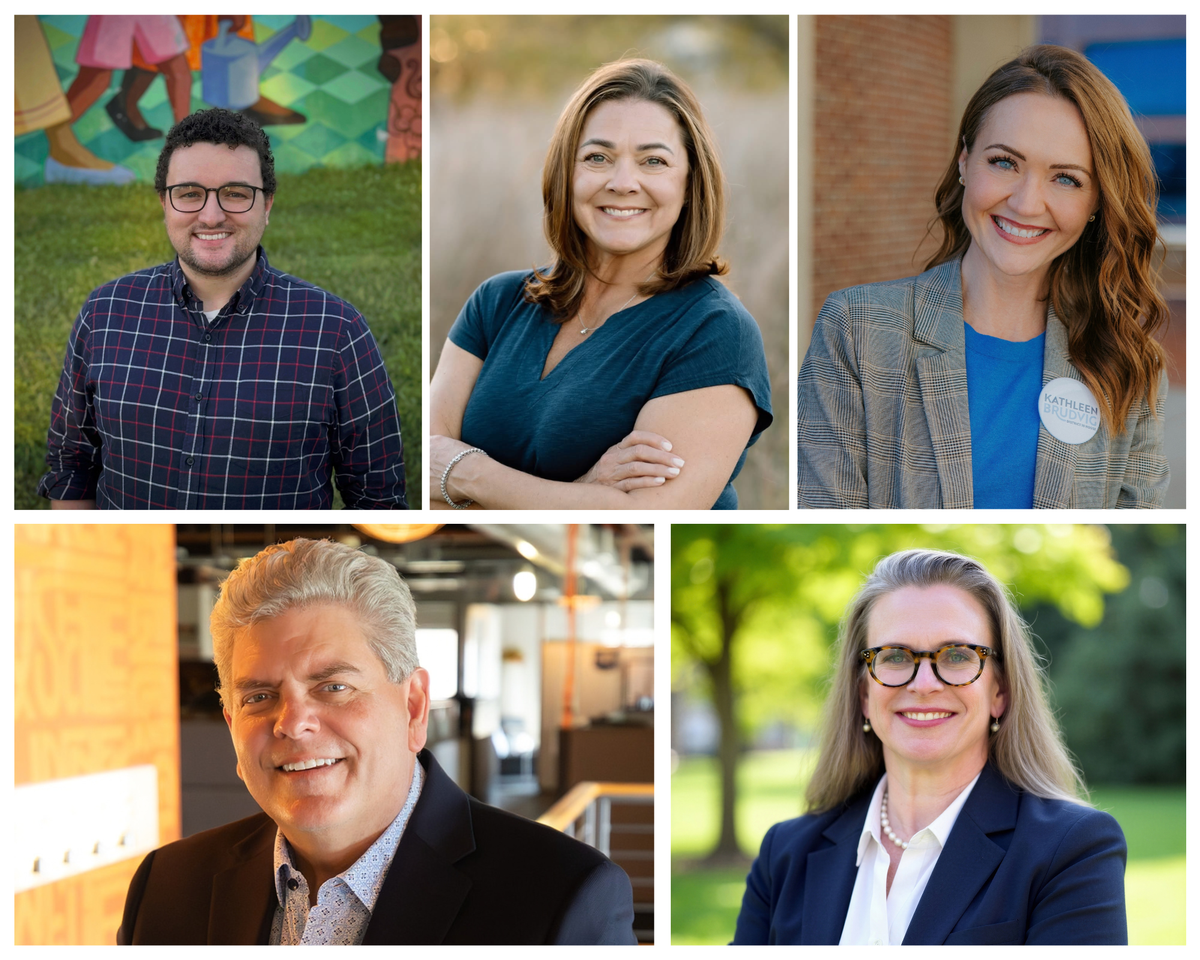
District 11
Chris Karr (Senate): Did not respond to interview requests.
Aaron Matson (Senate): "That is a big question. Obviously you have the big three that you hear about a lot during session – schools, state employees and health providers. My philosophy is South Dakota is us. It's the citizens, and so our budget should reflect our priorities including the big three and other things.
- "What are our needs for public goods, and how can we achieve the goals we have together to have the kind of South Dakota we want? The kind of schools, roads and public services we want? That’s the way I approach it. It’s easy to talk about bureaucrats just spending money, and not all public servants are good. There are some bad actors. But by and large public money is for the public good."
Brian Mulder (House): "I think for me it boils down to three simple things:
- Education: It's a primary job of government to provide that education.
- It's a primary job of government to take care of vulnerable citizens in our community – truly that elderly, aging population that do not have the support in their later use to end-of-life support. And then people with intellectual and developmental disabilities.
- And then it's the essential services of public safety and roads and bridges.
- "That's government to me – a small, efficient government taking care of those priorities before we take on any other priorities. That's what I view as what our budget should cover and support."
- Mulder also outlined his plan to take unspent money from the prior budget year and split it between education, medicaid providers, and state government priorities.
Sonja Mentzer (House): "I think our priorities have been to try to stockpile a reserve ... at the same time I think we’re missing so many needs of our state and our individuals here. I think our priorities need to come back to people of South Dakota, and what are the needs and the struggles of the people here.
- "We’re not doing ourselves any favors by collecting tax dollars and then not using it to invest in our state and in the individuals here."
Tracey Quint (House): "I think the first person that should benefit from the tax dollars and from whatever budget we come up with is the residents of South Dakota.
- "As a Libertarian, I believe that we should be making sure that whatever funding people are paying into the government is being used in the best possible way. If there’s a way to reduce that burden for the everyday citizen, by all means let’s make sure we can do that for them and make sure we are using the money in the best possible way. ... Make sure money goes to make our own lives better."
Keri Weems (House): "From a budget standpoint I believe we need to have reserves; I think that’s really, really important. ...
- "Medicaid spending is way above. We need to make sure we can take care of people. Government is designed to take care of those who can’t take care of themselves ...
- I think the budget first and foremost should fulfill those things. And then if there’s anything left over, we should focus on issues that are going to help the general state as a whole. Passions that I have: I think education’s really important. I think taking care of our people from a health standpoint is really important. We have some things going on in our state that need to be addressed that we could be performing better on, but overall, let’s face it. It is a great state."
See more from District 11 candidates here:
 Megan Raposa
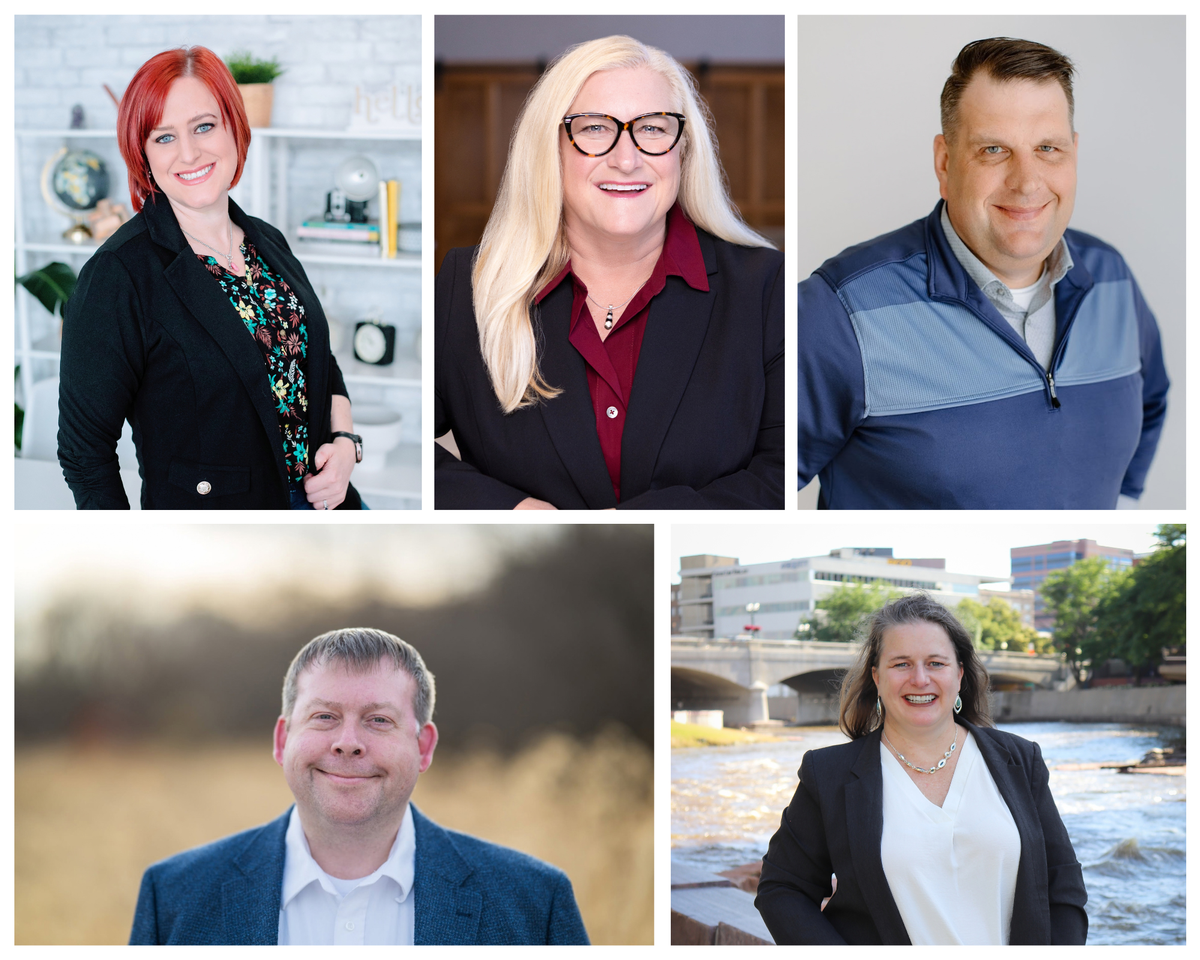
District 12
Amber Arlint (House): "At the end of the day the people who should benefit from the tax dollars we pay are the people of South Dakota. With every spending proposal that comes before the Legislature, a couple questions I ask myself is: who benefits, what is the cost and what are the expected results?
- "After I’ve weighed those items, I also weigh how do we balance new ideas against what we’ve already committed to. ...
- "Families are watching their budgets really closely right now, and I think it’s important that the state does the same thing. I am so incredibly grateful that it’s in our constitution that the state of South Dakota is required to have a balanced budget."
Stephanie Arne (House): "The people should benefit from the tax dollars that we all pay. If we allocate money, that money needs to be spent ... We should not need to come together and pressure our administration or our legislators to release funds they’ve already committed to important things the people have already paid for.
- "I understand the importance of reserves and a surplus, and that must feel great. However, then the people are not getting what they paid for."
Kerry Loudenslager (House): "Who should benefit? It should be the taxpayers first of all.
- "Our first responsibility of government is law and order and the safety of our citizens. We need to make sure our law enforcement and legal system are funded. Education – our education scores aren’t where they should be. If we can fund that a little more and pay our teachers more, I think we’re heading in the right direction. We’re seeing some improvement, but we’ve got a ways to go.
- "Those are huge priorities: public safety, education, and property tax relief."
Kari Shanard-Koenders (Senate): "I think first of all reserves are really good. We need those. ...
- "So I think for the state budget there’s always been the big three: Medicaid, state employees, and schools. ...
- "I’d rather increase revenue than cut anything in the budget, but I know there are areas where we’re going to have to cut.
- "And the problem is federal grants. A lot of them stopped and so the state had to pick up in a lot of those areas. I know some of our state agencies are funded in a huge way with federal dollars. So when those stop, something changes with that federal agency, and they either need to stop services or pick up where the federal government left off. ... But we need to be stewards of the dollars."
Joe Zweifel (Senate): Could not be reached for comment.
See more from District 12 candidates here:
 Megan Raposa
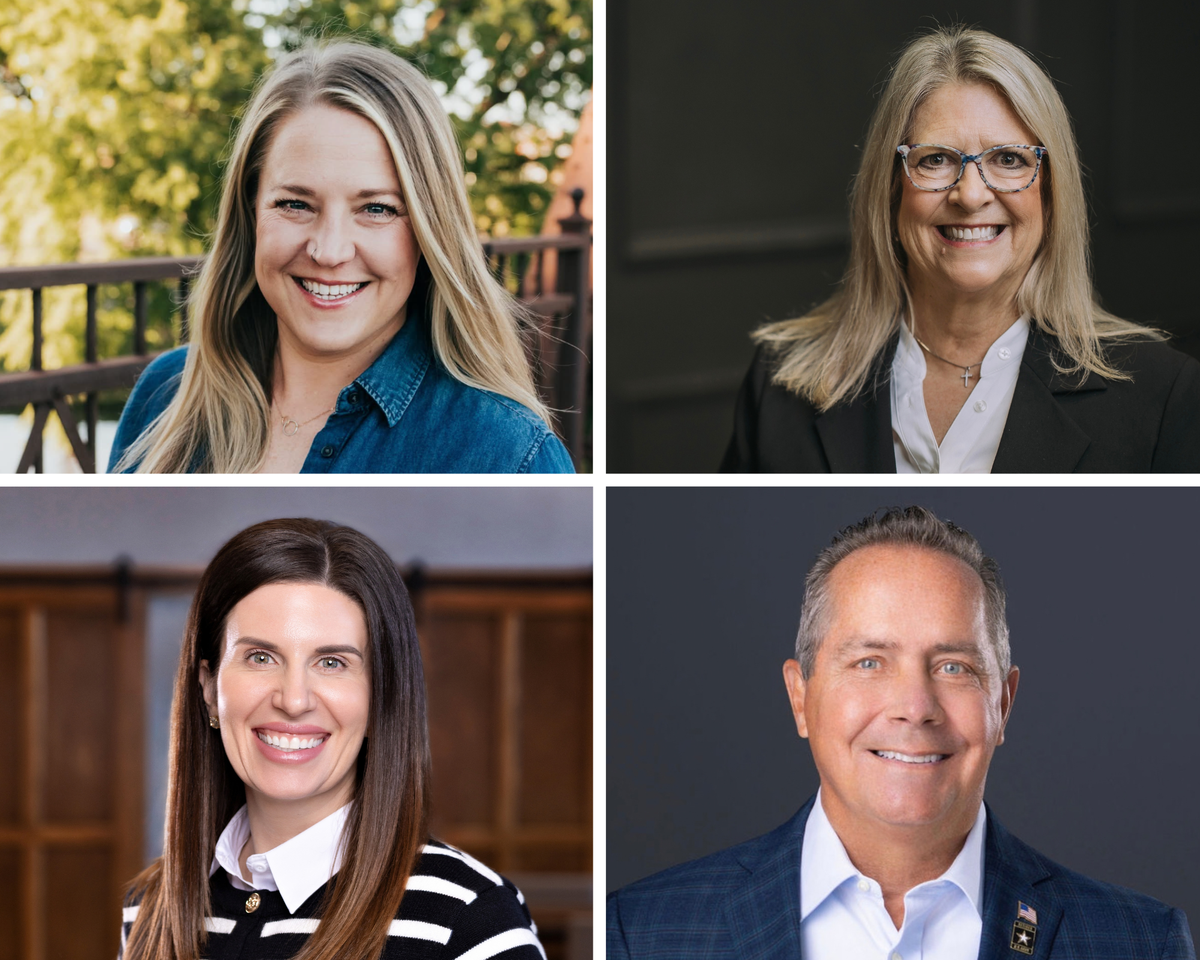
District 13
Ali Rae Horsted: "We’re required to have a balanced budget, so I’m glad that we always do. However, I think it’s a disservice to have such an extraordinary excess at the end of the year. I think some of that money should be dedicated more significantly to public education, emergency medical services, and similar priorities."
John Hughes: "I was shocked to learn over 40% of our state budget is federal tax dollars. We don’t pay our own way in South Dakota. We’re a debtor state. We don’t like to talk about that because we pull our bootstraps up with Uncle Sam having a firm grasp on both straps. ...
- "We need to be honest with our people and say we need to find ways to cut our government spending, and we need to find efficiencies on how we spend the dollars we have. I’m a ruthless scrutinizer."
Jack Kolbeck: "Every citizen should benefit from them, there’s no doubt about that. Pay a sales tax – everyone should benefit. And they do because of our road structure. They pay in on the roads they drive on, parks and recreation."
- Kolbeck also outlined his work on the appropriations committee last session and how they "dug deep" to find money for the 1.4% increase for education, as well as use one-time funds to fill a gap in VOCA (victims of crime act) funding that was cut at the federal level.
See more from candidates in District 13:
 Megan Raposa
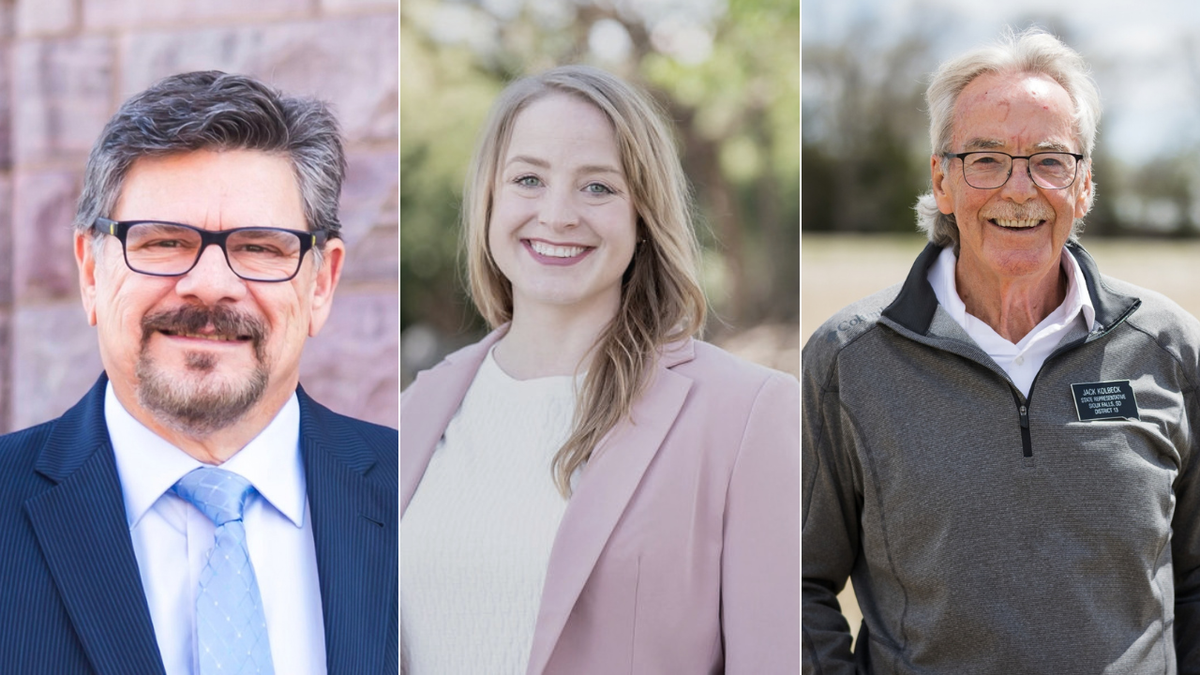
District 14
Taylor Rae Rehfeldt: Could not be reached for comment before deadline.
Tyler Tordsen: "Certainly I think taxpayers need to be the beneficiaries. Government exists at all levels to provide essential services.
- "I’m a glass‑half‑full kinda person. I’ve had some exposure to where we certainly need to keep things balanced, need to prioritize wants vs needs. There’s not a lot of waste and fluff in our state, local and county budgets.
- "We do keep things pretty lean and pretty efficient. We need to constantly review that and still need to be flexible enough to make changes when necessary."
Erinn Williams: "The DSS underspend caught us all off guard. Having that surplus threw us all off.
- Why do we have so much money sitting in there? I get that we passed that we couldn't run in the red, but I think ... it’s scared people into putting money away, stockpiling because we’re so afraid to use it because we’re worried about the repercussions if we do hit a low level.
- "The rainy day fund is beautifully funded, and it is sitting there doing nothing. And it needs to be doing something. I want my tax dollars going to pay for roads, schools, police and fire, and they're just sitting there doing nothing. I run a pretty tight budget. I live a normal life. I’ll govern like that too."
See more from District 14 candidates:
 Megan Raposa
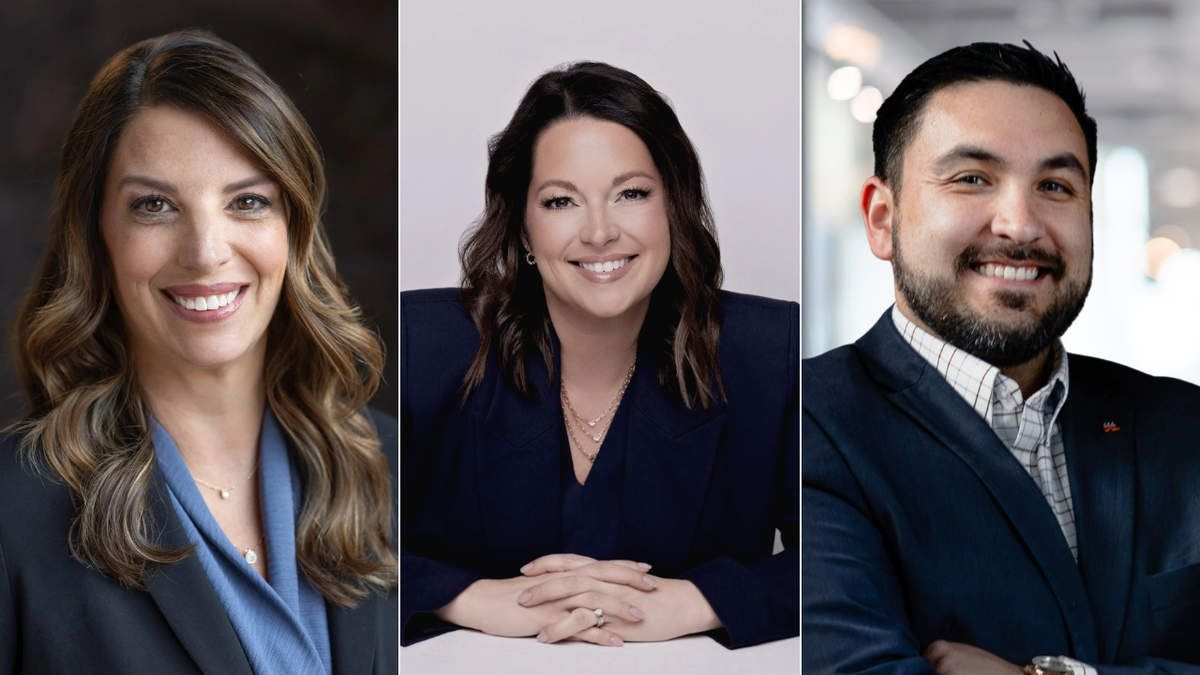
District 15
June CopperStad (House): "My philosophy is that where we have the highest need is where we need to have the highest investment. Right now we have money that’s in reserves, and we have a severe lack of resources that are destabilizing a whole socioeconomic category of our neighbors that really we all are feeling. ...
- "Here in Sioux Falls we don’t have adequate shelter, adequate emergency shelter, food banks for folks. We struggle with our wages keeping up with our food inflation and our housing and all these things. If you are not a millionaire or aren’t making six figures, things have gotten really, really tight.
- "We need to figure out how to keep each other safe and stable by meeting those needs. Coming from social work and community health work, Maslow’s hierarchy of needs is something I really look to. It shows us quite clearly that people need to have basic shelter, food, basic safety in order to get to the place where we all want to be, which is having good healthy relationships and self-confidence and being able to step into a career and give back to society. If we’re not able to meet people at that basic level, no way are we going to see ourselves move into those other areas."
Brenda Lawrence (Senate): Could not be reached for comment before publication deadline.
Erik Muckey (Senate) noted that anyone patting themselves on the back for balancing the budget should stop because it's a constitutional requirement in the state, and all lawmakers are subject to the law.
- "When I think about prioritizing folks in the budget I know that South Dakotans have a notoriously high work ethic. I want to give working people a real shot and a real way to advance on the fruits of their labor. That’s why I’ve been really active in Medicaid, helping folks who can’t help themselves.
- "I'm really active in education because I think every family should have that shot. State workers – within the budget itself, I’ve been really focused on how do we take care of our obligations to people.
- I'm staunch on stopping cuts to veteran services, TANF (temporary assistance for needy families). I played a really active role in stopping cuts to funding for maternal mortality programs. I think the biggest thing I think about here is, in this role stewarding and governing, I have to govern for not just my generation but for generations past me."
Joni Tschetter (House): "I have not been in the House at all, and so other candidates may have much more concrete answers. I do know that there are different accounts of funds and different percentages. Some, through the constitution, require you to put so much funding in different accounts.
- "As a business owner, we’ve all had to work through 2020, and if the money isn’t there we really shouldn’t spend it. Because there are so many other creative ways, there have to be creative ways to solve some problems.
- "I’m a big firm believer in less government and getting the private sector involved. In the private sector you have somebody from your hometown that knows the ins and outs of that specific situation much better than a representative in Pierre. Not saying the representative in Pierre does not have the best of intentions, but the actual person on the ground can assist a lot and better."
Kadyn Wittman (House): "I think we have too many dollars in reserves right now. A good economist like my district mate (Erik) Muckey would say a state would want to have 9 or 10% in a rainy day fund. Right now we’re at 12%, which doesn’t feel like a lot, but it is a lot.
- "I think that the dollars that taxpayers pay in should ultimately benefit them. Everybody should benefit."
- Wittman also noted the state's constitutional responsibility to care for the most vulnerable and her own experience in the nonprofit sector. She's seen nonprofit doing the hard work that the government should be doing.
- "I do think it’s going to come to a critical moment where nonprofits are not going to be funded to the capacity needed by the community, and the government is going to be forced to reconcile with the fact that they have not done their due diligence and cared for these vulnerable populations for the last several decades."
Andre Zachariahs (House): "Number one: we’re required by the constitution to maintain a balanced budget. What that has meant in practice is that as we’re projecting revenues out a year and a half in advance, you can run into economic headwinds – COVID, war in Iran, something that is really out of these actors’ control.
- "We’re trying to run revenue projections so far in advance we have to be fiscally responsible in how we’re doing that. There is a level of responsibility we have to take, which means year over year we generally will run a surplus. Our legislature has been within 2% of their budget for the last several years, which is pretty incredible when you think about again the issues we’ve had to face and the challenges of budgeting that far in advance.
- "We have to be responsible and accountable with every dollar that comes through. The reality is we are one of the leanest state governments in the country. We don’t take in a ton of revenue, which means we have to be extremely responsive with that revenue. Education funding, Medicaid, state employees – those big three right away. Those are the things that need to be there first and then we can move on down from there."
See more from District 15 candidates here:
 Megan Raposa
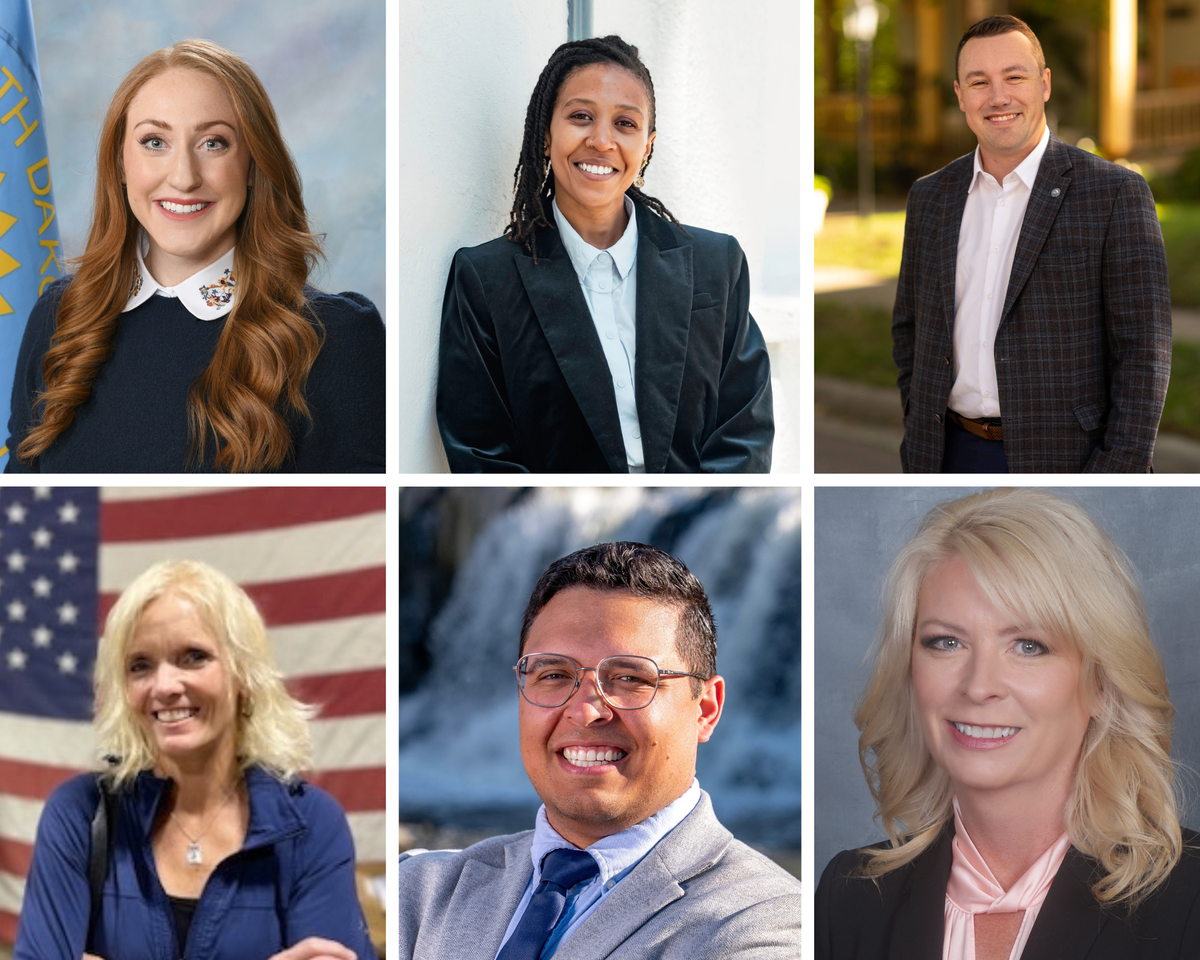
District 16
Lisa Bogue: Could not be reached for comment.
Tim Rhead: "I have no personal agenda whatsoever when it comes to this stuff. ...
- "We have lots of reserves, but rather than putting surplus in reserves – as long as reserves are at 100% – we are going to take that $56 million, and we are going to return it. I would like to see that money go to public education ... and maybe include all the big three. I’ve not done (the exact calculations) if you include everybody, I’d like to see something done like that. Adding to the rainy day fund that we never ever touch doesn’t make a lot of sense."
John Shubeck: "Let me start off by saying I like the way we do things. I think the way South Dakota does budgeting. Man, I wish we could do that at the federal level – keep 10% in reserves, mandated to balance budget.
- "Any time we can give any excess money back to the consumer, that’s a great thing to do. When you pass it through the levels of government there’s so much lost to inefficiency. It’s better just to put it directly into people’s hands as we can. Keep taxes low, keep spending low.
- "But we do need to make sure we’re prioritizing paying people right, that we’re prioritizing things that make people want to stay here. When you go to Sioux Falls, they’ve done such a good job of building up bike trails and parks and things. It’s kind of a model of what we need to be balancing – keeping a balanced budget while keeping lifestyle things as well."
See more from District 16 candidates:
 Megan Raposa
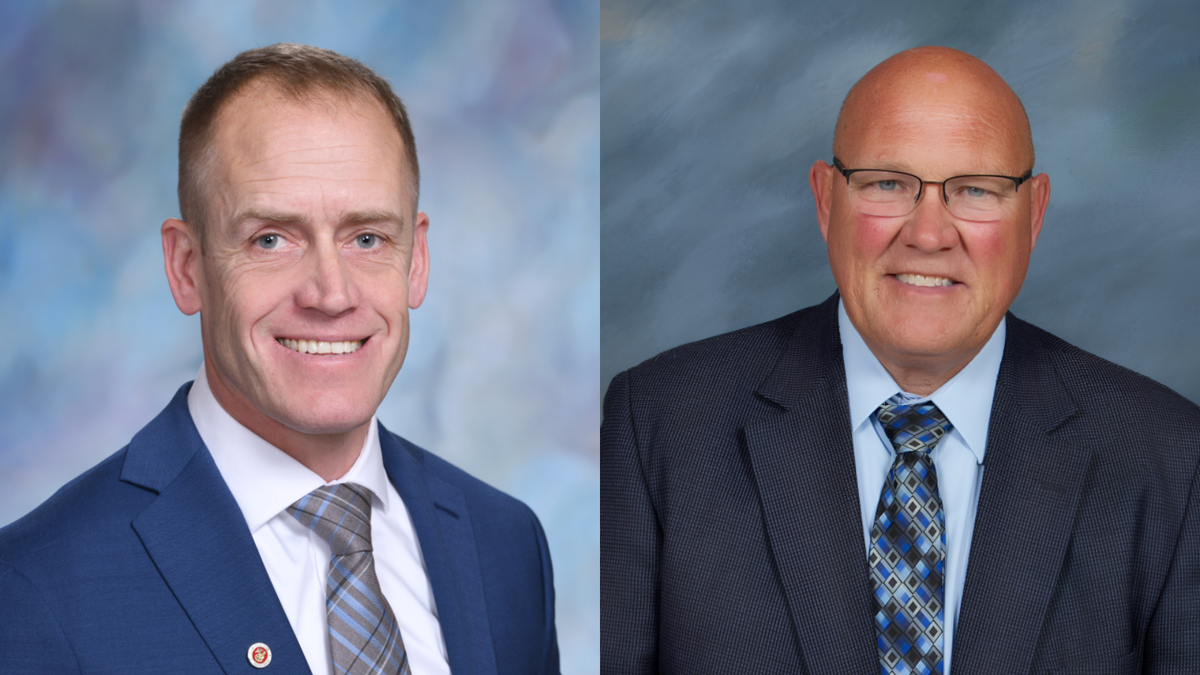
What happens next?
Election Day is Nov. 3.