
Simplified: Sioux Falls Simplified spoke face-to-face with dozens of legislative candidates in the metro area. All candidates were asked the same slate of questions, and you can find comprehensive coverage for each district at sfsimplified.com.
Don't know your legislative district? This interactive map can help you find it.
Here's what we asked:
What are your priorities when it comes to data centers in South Dakota? Do you support data centers, and if so, what, if any, limitations would you put to protect residents from negative impacts?
Here's what candidates said:
District 2
Adam Long: "It has been a hot topic ... Where I’m at right now and where I stand with data centers is that we need to slow down and we need to truly look at the way opportunities present themselves sand how that's going to affect us.
- Long also said he wants the state to be strategic, and he's not against data centers, but he's not in favor of giving companies any tax breaks for building them. He also noted that he wants to have protections for water usage.
- "If we have the environment and the space they need and want, then we have that. We shouldn't have to beg them or give them big blank checks to come."
Manuel Luschas: "No, I don't support them because I don't think we need them here. I would like to see a moratorium in teh next legislative session ... I don't really see the need for these big hyperscale data centers to come to South Dakota, and especially not to come to the City of Sioux Falls."
Blake Rife: Could not be reached for comment.
See more from District 2 candidates here:
 Megan Raposa
District 6
Garret Campbell:"I do not support data centers coming here – simple as that.
- "I’ve looked at other states that have had this, and it looks like the local areas they come to just get a lot of negative stuff. "
Jerry Jongeling: "Data centers – I look at just as any business that would want to come into Lincoln County. It could be a cheese plant, it could be meat processing, it could be a data center. My main concern is the resources a business would use.
- "Is it the right fit for the county? A data center might work in the middle of nowhere. I don't feel it necessarily works for Lincoln County. Our population is just too dense for that."
- Jongeling also noted the process and the various stages of government oversight and public input that would occur before a data center was approved in Lincoln County.
Elliott Neff:"I don't know that I'm knowledgable enough to say yes or no on that topic."
- Neff also said he wants to look at all angles on the topic – including who benefits, what are the long-term consequences, etc.
- "I think we need to be very careful making any decision that has a long-term commitment and burden upon the taxpayers when we're in a space where technology is changing extremely rapidly."
Austin Wolf noted that he was one of the candidates in the democratic caucus who signed onto a data center accountability pledge.
- "What we’re talking about is a moratorium. We want a year to study it like other places are doing. ... I've seen places where this has been beneficial for communities – I don't know if it would be here and would want to study it more.
- "I do see the benefits. If it's done right, it can benefit the community. But I don't know if it's necessarily right for our community, and I'm good putting the brakes on it."
See more from District 6 candidates here:
 Megan Raposa
District 9
Amanda Potter: "I was the founder of the candidates' data center commitment pledge. That was really my brainchild to say we’re going to put on paper – saying we are concerned about this, and we will commit to doing something about it when we get to Pierre.
- "We are committed to protecting the environment, protecting communities, protecting local control, and no tax incentives, period. I am in favor of really robust regulation for hyperscale data centers – robust to the point of being prohibitive.
- "On a personal level, I don't want them. I do want communities to have local control. If, for example in Milbank they decide that's right for them, I don't feel like I can stand in the way of that. But I do feel like we need to protect all of the people that are going to be affected by it."
Megan Tschetter: "I support data centers if they don't hurt the people. I believe in technology. I believe that we’re full speed ahead. I don't think it's going to go away, and I believe that we should represent the people when it comes to that though.
- "It needs to have parameters. The parameters should be that we need to know up front all the things. We need to know about the water, how much energy it's gonna take, how it's going to affect (resident's) health.
- "I don't believe they should be subsidized from the government."
Tesa Schwans noted that District 9 already has a small-scale data center that's been there for years, but she expressed concerns about the hyperscale data centers – particularly when it comes to water and electricity usage.
- "I am against hyperscale data centers, and the reason that I am is because of those issues I just stated. ...
- "That being said, I am a proud supporter of SB 135, the 'data center bill of rights.' It requires data centers with peak usage of 10 MW or greater to cover costs associated with power demands. The state may not preempt or otherwise limit authority of a county or municipality, and it requires data center facilities to notify local water providers."
See more from District 9 candidates here:
 Megan Raposa
District 10
Liz Larson (Senate): "Right now I would not support new hyperscale data centers in South Dakota. The reason why is that right now the public does not have enough info and enough comfort to feel good about all the potential dangers of hyperscale data centers. That’s simply what it is.
- "In the future, if we have answers to those questions that are a little bit more robust and a little bit more palatable to South Dakotans, I’d be open to discussing it, but as of right now I hear clearly from my constituents: no, thank you."
Michael Dupic (Senate): Declined to be interviewed.
Adam Bair: "Right now it’s very clear that South Dakotans do not want data centers in their communities, and it’s very clear to me that this probably isn’t going to change anytime soon.
- "It seems overwhelmingly (from voters) that it’s not worth the trade-off, and I do not believe (hyperscale data centers) will bring permanent jobs into the communities like they say they will. Right now I’m in favor of a moratorium on constructing data centers."
Kathleen Brudvig: "My support for a hyperscale data center depends on what my constituents want. ... At this point it sounds like a resounding no — people do not want hyperscale data centers currently, at least as they have been presented.
- "As I talk to voters there are people who say if we regulate them appropriately and tax them appropriately, potentially we could accept hyperscale data centers in our state.
- "My personal view is it needs to be a net positive for the state, and right now we’re moving really rapidly, and we don’t fully understand what the positives and negatives could be."
Kimberly Petterson: "Data centers are a necessary evil. We need to have them. We have to keep up with technology. As much as tech can be a detriment – I think it’s gotten out of control with our children having too much tech and too much screen time – however, tech is happening and we need to keep up with it.
- "I think data centers are necessary. Do I think they’re necessary in South Dakota? Not necessarily. I have heard from many voters, and I personally don’t want data centers in South Dakota."
John Pohlman: "My position is no, unless they can prove definitively that their closed-loop water system is not going to adversely affect the community, that their energy draw is not going to drive up rates as a result of what they are doing, and that the community is overwhelmingly welcoming of a data center.
- "It’s no unless they could hit all of those marks, and I seriously doubt that most hyperscale data centers would hit those marks.
- "I hate the idea of completely closing the door, but at the same time they have to be good citizens. People in the district are skeptical."
See more from District 10 candidates here:
 Megan Raposa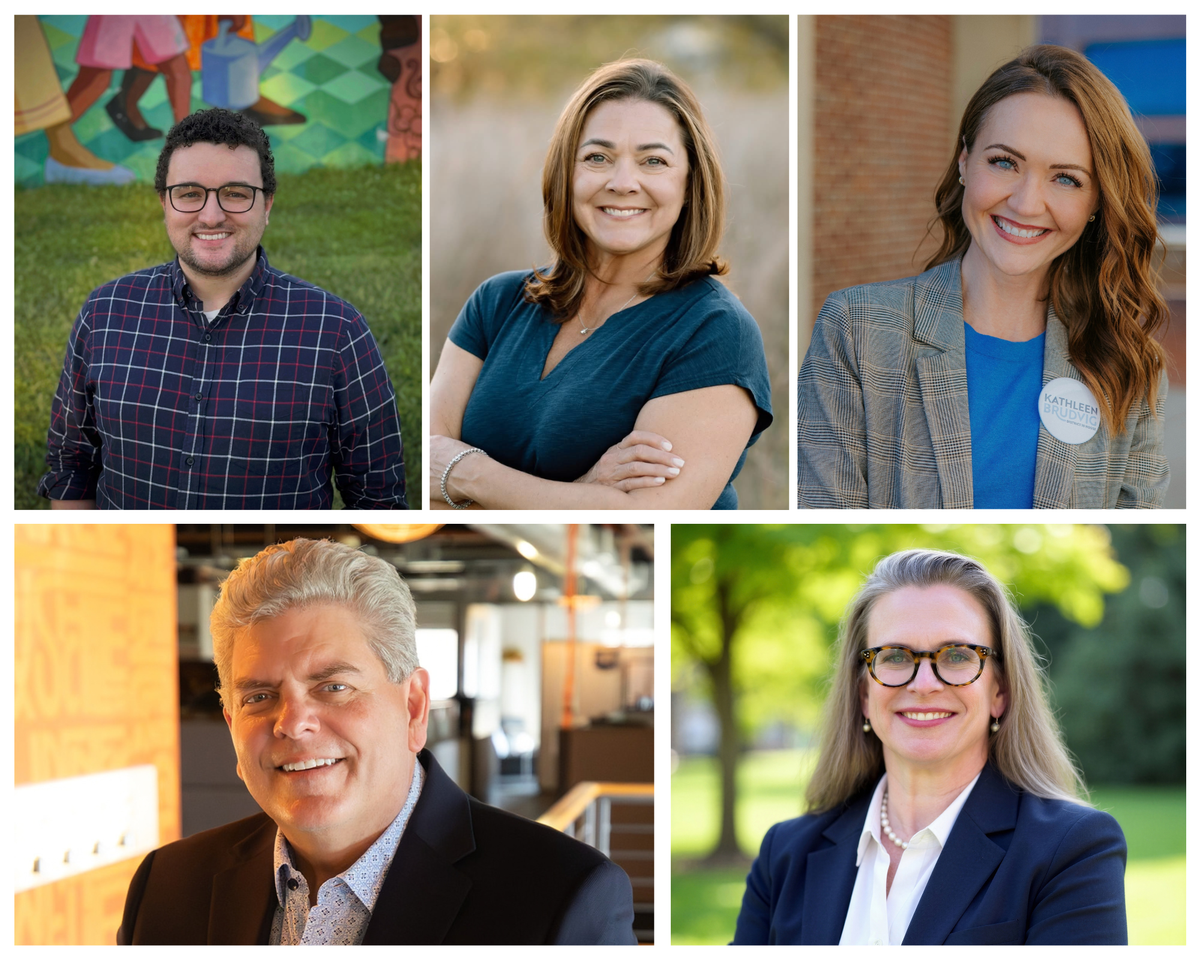
District 11
Chris Karr (Senate): Did not respond to interview requests.
Aaron Matson (Senate): "I’ll say I’m skeptical of hyperscale data centers. My impression from what I’ve gathered from what I’ve heard knocking doors and news stories I’ve read is that they take a lot out of communities and don’t put a whole lot back in – including using water resources and electrical resources. ...
- "I would want to put in safeguards to make sure that citizens are protected from any losses of resources and any increases in pricing. Another place I’m coming from is I’m not against tech advancement. But with a lot of stories coming out now about the dangers of AI, I think it’s worth taking time to ask ourselves why."
Brian Mulder (House): "I would say it this way. I did vote in support for the data center bill of rights for citizens in the last session. I supported that piece of legislation.
- "I don't want to sound like I'm sitting on the fence, but I'm indifferent to the projects. I'm not 100% against data centers, but at the same time I believe that they need to pay their own way, need to assure costs aren't going to go up for citizens, and resources aren't going to be taken away from citizens.
- "For that, they'd be welcome in communities that want the economic development. I think for communities that want those things we should find a way for them to exist without hurting state resources overall."
Sonja Mentzer (House): "We definitely need guardrails in place so our communities are not left with the cleanup and aftermath of these data centers. We need to protect our natural resources.
- "I would love to see a number of hoops that maybe big data centers don’t want to come in that should protect South Dakota.
- "I’m not against economic development. I would love for some kind of opportunity in tech or any other kind of realm to come in, but these are coming in fast and furious and they’re doing it by design. I am very skeptical when I see the big money that is coming behind them."
Tracey Quint (House): "I feel like there’s a lot of research that needs to go into what the environmental impacts really are and what we can do to offset those if we decide they are viable for our areas. ...
- "We need to really look into what the actual data is for how those affect people and what we can do to offset those. I’ve seen so many differing opinions on that, and I would really want to dig even further into whether that actually exists before I could say, “Yeah, this is a good thing,” or, “Absolutely not.”
Keri Weems (House) said she have a business that used a small-scale data center in Brookings, and she appreciates the importance of them.
- "It’s a really important thing for industry as AI advances. It’s important for our nation to make sure that we have them all in the U.S.
- "Talking specifically about South Dakota, I am for the development of data centers, but also protecting people, protecting the water, protecting the electricity.
- "And so I would like to see advancement but with a conservative approach in protecting people. I really don’t think data centers want to be close to houses. I think they don’t want to be bad neighbors, and so if we can continue to structure it so they’re not bad neighbors, that would be wonderful."
See more from District 11 candidates here:
 Megan Raposa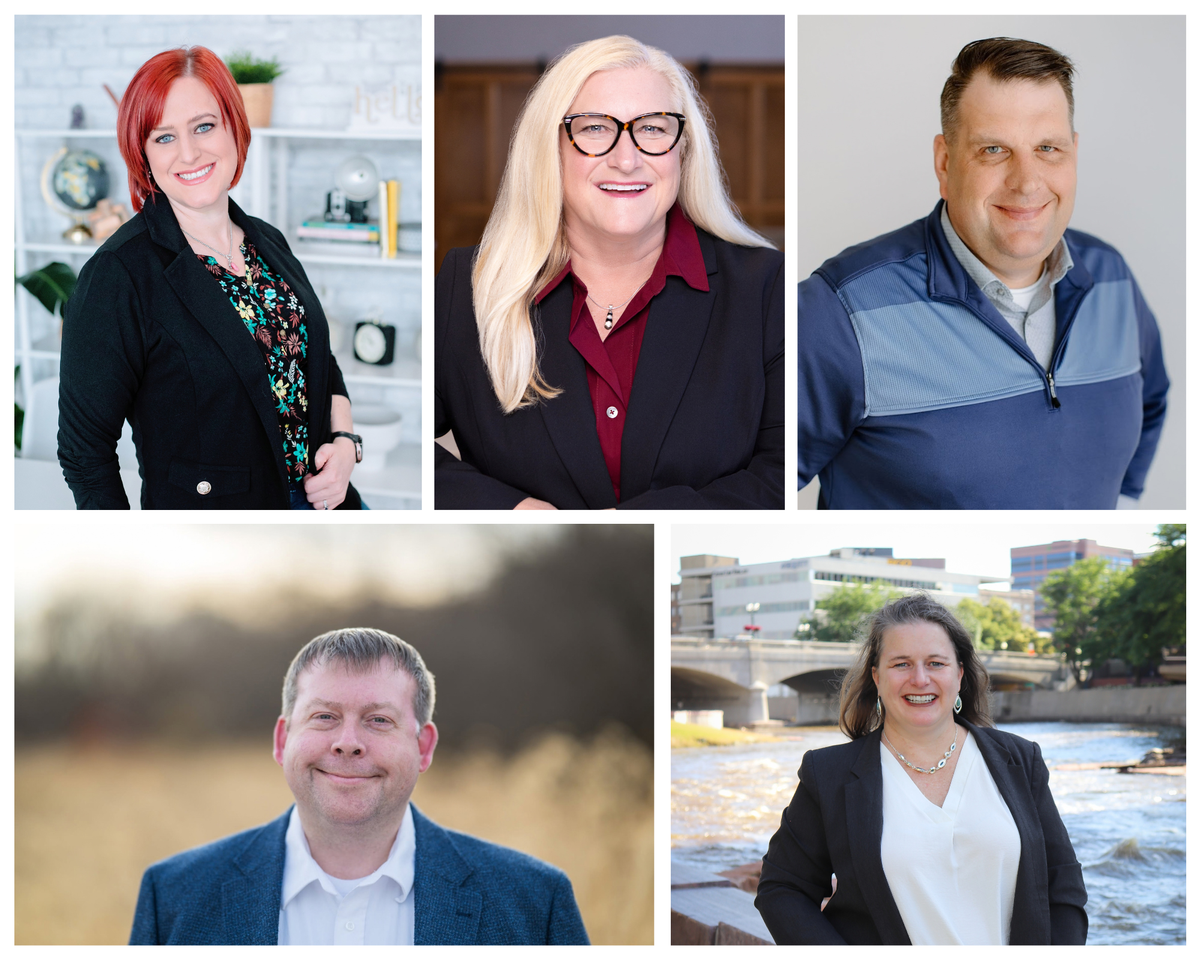
District 12
Amber Arlint (House): "This is a topic of conversation I think that has brought a lot of fear, a lot of concerns.
- "I think we need to make sure that when we’re looking at where we would place hyperscale data centers, it needs to be a place that makes sense for our neighbors.
- "SB 135 (the data center 'bill of rights' passed last session) — the major items we were hearing concerns about were utility costs, water usage and where these would be zoned. SB 135 addressed many of those. Of course there is more to do.
- "Local control is going to be what is needed. Put the power back to the people at the closest level to them."
Stephanie Arne (House): "I do not want hyperscale data centers in South Dakota.
- "We put out and signed the Democratic platform, so it’s very clear where I stand. I am very much concerned that the jobs and any profit that comes in will not be comparable to the environmental damage, the damage to families’ finances, the impact on energy, the damage to water, and noise pollution. That to me is so much bigger than the benefits, and I will work tirelessly on that issue."
Kerry Loudenslager (House): "I’m open-minded on it. I don’t want to be irresponsible and take a stance on that issue without having all the information.
- "I think we need to get more information from the data centers. I’m a big believer in local control. I think the local communities need to have a say on what happens there. I’m a big advocate for the Constitution and property rights, so I wouldn’t want to see any infringement on property rights without the consent of property owners.
- There’s already been some legislation that addressed a lot of constituents’ concerns as far as energy usage and water usage. I really like the start we have with that existing legislation that’s already been passed.
- "But I think with data centers, we have to lead the way with artificial intelligence and stay ahead of our adversaries when it comes to AI. We just gotta do it the right way."
Kari Shanard-Koenders (Senate): "As far as data centers go, I think the majority of them are fully local-control kinds of issues and the issues around data centers. So I’m a local-control person for sure for the most part.
- "I feel like we have to have data centers due to the fact that we’re using AI, and AI is only going to grow. So there’s a need, but I think they need to be done right."
- Shanard-Koenders also said the "data center bill of rights" passed last session addressed a lot of her concerns. She's not a fan of moratoriums, and she doesn't want to see data centers close to schools or where families live.
Joe Zweifel (Senate): Could not be reached.
See more from District 12 candidates here:
 Megan Raposa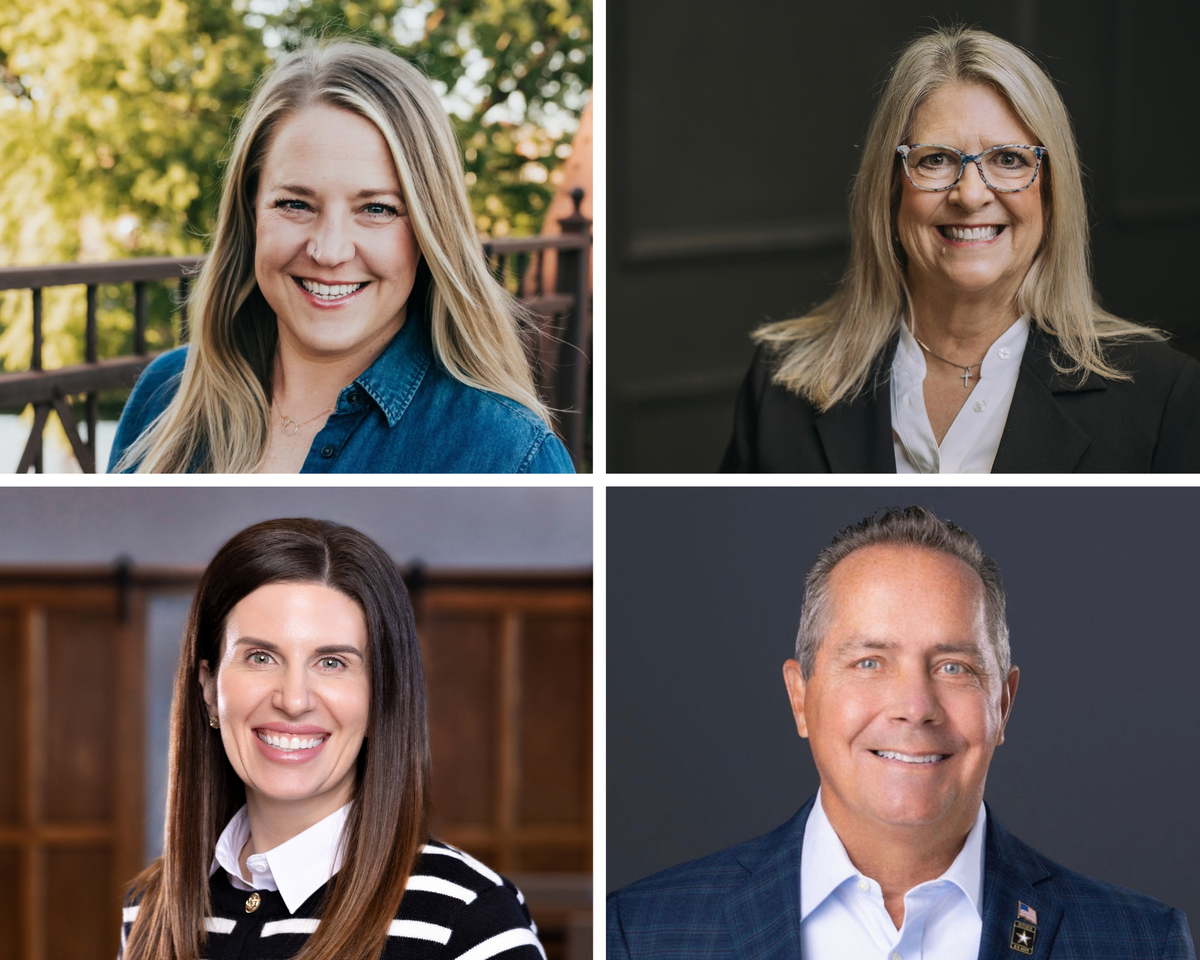
District 13
Ali Rae Horsted: "I’m a bit cautious about the idea of bringing hyperscale data centers to South Dakota. As we’ve seen in a lot of other cities and states, there are a lot of impacts that they have on the environment, on ratepayers for electricity, and everything else. So, yeah, not a fan.
- "On the other hand, I don’t think it necessarily makes sense to completely say no. We can still have a conversation about it.
- "I would emphasize that local control should be primary. Local government should be able to have the final say on whether or not it makes sense for a certain community. They can have some economic benefits, but we need to not be short‑sighted about the long‑term impacts that they will have on the community, the environment, and people’s well‑being."
John Hughes said he strongly supported the 'data center bill of rights' in the last session.
- "Hyperscale data centers might be OK maybe, but we can’t use the CO2 pipeline approach where our former governor allowed lawsuits to be followed over eminent domain.
- "I’m all about protecting our natural resources, water, our power grid. It’s really hard to pull the wool over my eyes on things like data centers because I’m like 'what’s in it for the people?' We spend millions in taxpayer dollars for people that want to come here but our unemployment rate is less than 2% so we don’t have the workforce. ... I appreciate what Gov. Rhoden has done on the future fund."
Jack Kolbeck: "One thing I do not like about the idea of (hyperscale) data centers is giving them a sales tax exemption. ...
- "When it comes down to me being for them or against them, I’d be more apt to support them on a smaller basis. But I think they have to follow the local guidelines as far as electrical and water usage. I think economically it’d be a good thing. Property taxes they would pay would hopefully help eliminate the higher cost of property taxes for homeowners.
- "I’m not against them 100%. I think there’s ways to work through the system and make them available to be built and probably run right here close to Sioux Falls. I just don’t think the hyperscale ones are something the people in South Dakota want."
See more from candidates in District 13:
 Megan Raposa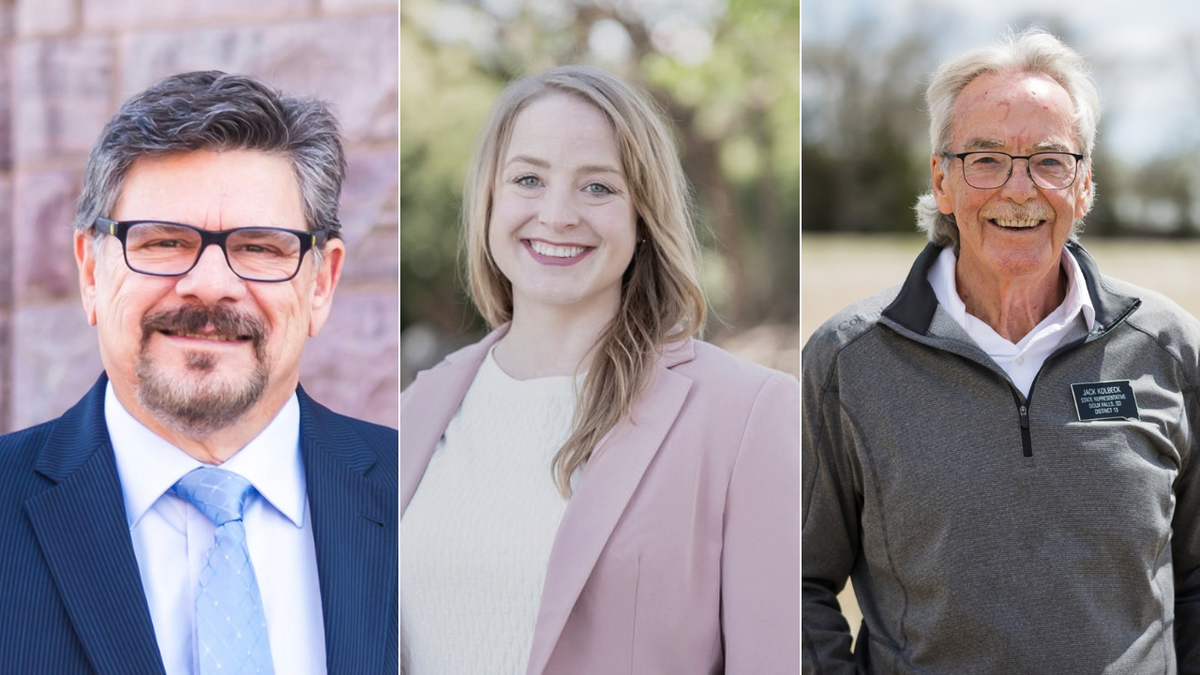
District 14
Taylor Rae Rehfeldt: Could not be reached for comment before deadline.
Tyler Tordsen: "The really quick, short, blunt answer on this topic is that I’m not an automatic yes or no on anything.
- "I think we really need to look at everything on a case‑by‑case basis. I think certainly South Dakota has data centers on different levels. One size doesn’t fit all. You’ve gotta have the right project at the right time in the right location that’s gonna be a good neighbor. ...
- "Also we’ve gotta have respect for county/city ordinances and local decision making – something South Dakota has always been firm and proud in."
Erinn Williams: "I'm totally OK with a data center to run your business that's established here in South Dakota. It’s those big huge hyperscale data centers – those are the ones that I just am flat out, no thank you. We don't need it.
- I think the environmental impacts, impacts on people, livestock, water, air are huge. There are a few things that really fire me up about the data centers, and that’s the, 'what’s in it for me.' I still can't wrap my mind around if you get a 50-year tax exemption, and you're not employing more than a dozen people why the hell would we want you to come.
- "If you can provide economic development and help the state of South Dakota without detriment to the environment or our people, then maybe some people would accept it. I'm hesitant to say moratorium, but I do think a time out – let's let it simmer for a while and see."
See more from District 14 candidates:
 Megan Raposa
District 15
June CopperStad: "I do not support data centers, especially hyperscale data centers in the state of South Dakota or, quite frankly, anywhere.
- "I do not see that the benefits of AI outweigh the costs to our environment or to human health, so I would just love to not see it. However, they’re already here. There’s a lot of money behind this effort, we know that. I am one of the signers of the pledge from the South Dakota Democratic Party. There's several of us. That has some requirements for limitations.
- "We don’t need tax dollars paying for these data centers to come in and put hardships on us. They don’t need to be using our drinkable water. They need to make sure they’re not going to be driving up utility costs for people. We also need to address the very real impacts of lowering the value of homes in the immediate area, affecting people’s stability and livelihoods, health effects.
- "There are common-sense practical provisions that need to be put in around these things, but at the end of the day it’s not worth it. We have one planet and we get one life, and our environment and health are more important."
Brenda Lawrence (Senate): Could not be reached for comment before publication deadline.
Erik Muckey (Senate): "I’m not a fan of hyperscale data centers in South Dakota. What is important for me is with this issue I don’t just think about what I think. As an economist, I don’t think this is the highest-and-best approach to develop an economy that works for South Dakota. If anything, I think it is a very poor way to accomplish that. I think about it for my district.
- "My constituents consistently tell me they do not want a hyperscale data center in their backyard. I think of it in a couple ways. One, if we cannot come up with a policy framework that protects residents from the worst impacts of it, you’ve failed. A moratorium is one way of looking at how to stop these, but ultimately what I’m concerned about is if we can’t put together real policy that protects and incentivizes other forms of economic activity, then we’ve failed. ...
- "Regardless of what we think of hyperscale data centers, the thing that’s most important for all of us is we have to give local communities the opportunity to say no."
Joni Tschetter: "From what I have seen on YouTube and what I’ve read about citizens giving actual documentation of, 'this is what their water looks like,' the noise, and water pollution are big concerns to me. I believe there should be a two-year moratorium on data centers until we get some basic information. We have a lot of intelligent people that can help solve a lot of problems here in America, and I feel that right now we haven’t solved some of these problems.
- "The water pollution is a big concern because I have seen pictures of actual homeowners’ water. Would I want to drink that water? No. It has been multiple citizens. (And regarding) noise pollution – if you’re living out in the country, and you have a data center right next to you, that can drive you crazy. Cattle became mean, for example. We have such prime farmland and pasture that not a lot of states have, and I don’t think we should reduce our amount of land that we have to produce crops and provide food security."
Kadyn Wittman: "I can’t say for certain that I would 100% support data centers or 100% oppose them because I think there are many different versions, so it’s more important to drill down to what people are talking about when we talk about data centers in South Dakota.
- "The thing that’s top of mind for me is resource use and (being) mindful of water use for Indigenous neighbors. I think it’s kind of on a case-by-case basis what’s in front of me.
- "We’ve seen some positive impacts of data centers when it comes to funding certain school districts in our state, but we’ve also seen some negative impacts with data centers when it comes to utilities, resource usage, land usage and, again, those relationships with Indigenous folks in the community."
Andre Zachariahs: "I appreciate what the legislature did this last session in creating a data center bill of rights. If we’re doing this, we do need to protect natural resources.
- One of our favorite things as a family is to go to national parks and camp. Maintaining natural resources is incredibly important, water specifically. From an electricity standpoint, if a data center is going to come, the data center should be responsible for that. Ultimately I think it’s up to the communities if they do or don’t want to see them. ...
- "I think we’d be a little shortsighted to say that the way data centers are constructed today is the way they’ll be constructed five, 10, 20 years down the road. There will be advances. Ultimately, we have to adapt and adjust to what happens. But ultimately that control is local. Besides keeping utility protections in place, it’s up to the local communities."
See more from District 15 candidates here:
 Megan Raposa
District 16
Lisa Bogue: Could not be reached for comment.
Tim Rhead: "I do not support data centers.
- "Am I an expert in that field? No. But from what I have heard from watching the news and watching other places where they’ve gone in, the water and electricity they use is a lot. Also, from what I understand they really don’t employ a lot of people, and if we only think about technology in 10 years they’re probably not going to be here anyhow. I’m not in favor of data centers being in South Dakota."
John Shubeck: "First of all, in the last session we passed the data center bill of rights which put a bunch of restrictions in place, making sure they pay for any needed upgrades to bring in electricity and making sure ratepayers’ rates won’t go up.
- "We also delegated authority down to the local level as far as approval of both moratoriums and citing for these things, which I think is the way to go.
- "With the hyperscale data centers we really need to have some additional conversations about these things. I toured the one in North Dakota, and that thing is massive. It uses as much electricity as a medium-sized city in South Dakota. There’s a lot of things that need to be considered before I’m on board with one. I’m way against that tax break."
See more from District 16 candidates:
 Megan Raposa
What happens next?
Election Day is Nov. 3.
You can check your voter registration on the Secretary of State's voter information portal. The voter registration deadline is Oct. 19.